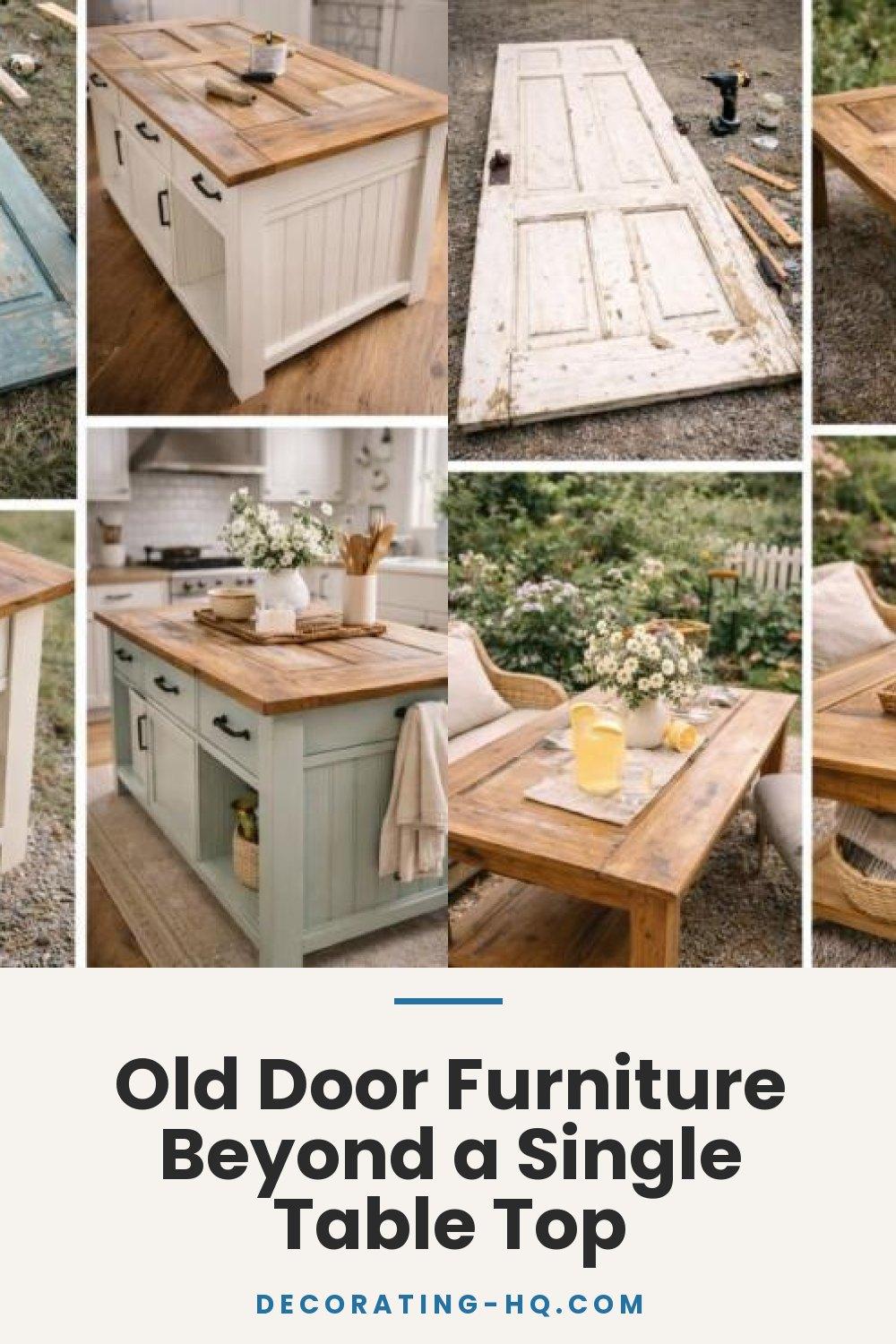
Old Door Furniture Beyond a Single Table Top


That old interior door in your garage can become a stunning piece in your home. With the right plan, it can be a dining table, entryway console, coffee table, desk, or even a patio table.
In this tutorial, you'll learn to pick the best door and measure it. We'll also show you how to prep the surface for a smooth finish. You'll discover base options, sealing methods, and style choices to make your table last.
Upcycling old doors is a smart choice in the United States. It saves materials from landfills, is often cheaper than new furniture, and gives you a unique look.
Before starting, check a few important details. Make sure your room is big enough, the door is the right thickness, and it's not too heavy. A solid wood slab is strong but heavy, while a hollow-core door needs extra support.
Safety and durability are key. Old paint can be hazardous, so you'll need good ventilation and the right tools. We'll also talk about a protective topcoat to handle spills and heat, making your table practical and beautiful.

- Why Upcycling Old Doors Makes a Standout DIY Old Door Table
- Tools, Hardware, and Materials for Old Door Furniture Projects
- Ways to Transform an Old Door into a Beautiful Table
- Prep Work for Repurposing Old Doors: Cleaning, Repairing, and Reinforcing
- Finishing Techniques for an Old Door to New Table Look
- Conclusion
Why Upcycling Old Doors Makes a Standout DIY Old Door Table
There’s a reason a DIY old door table looks like it came from a boutique shop. The worn edges, old hinge marks, and deep panels bring instant character. Upcycling old doors gives you a piece that feels custom, not mass-made.
You can keep the door full-size for a dining top, trim it down for a small workspace, or add glass for an even surface. Repurposing old doors also lets you mix eras, like a vintage top paired with sleek metal legs. For sourcing in the U.S., check architectural salvage stores, Habitat for Humanity ReStore, Facebook Marketplace, and demolition salvage. Aim for a door that’s straight, with no major twist.
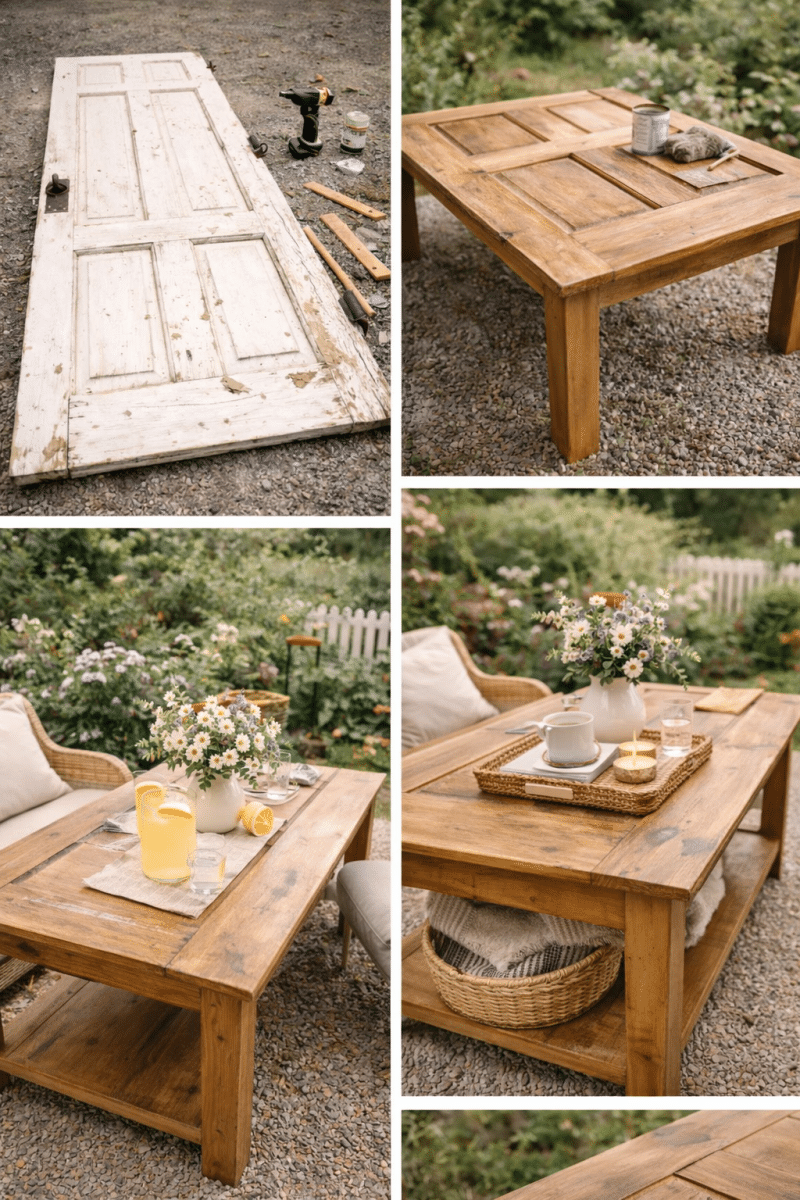
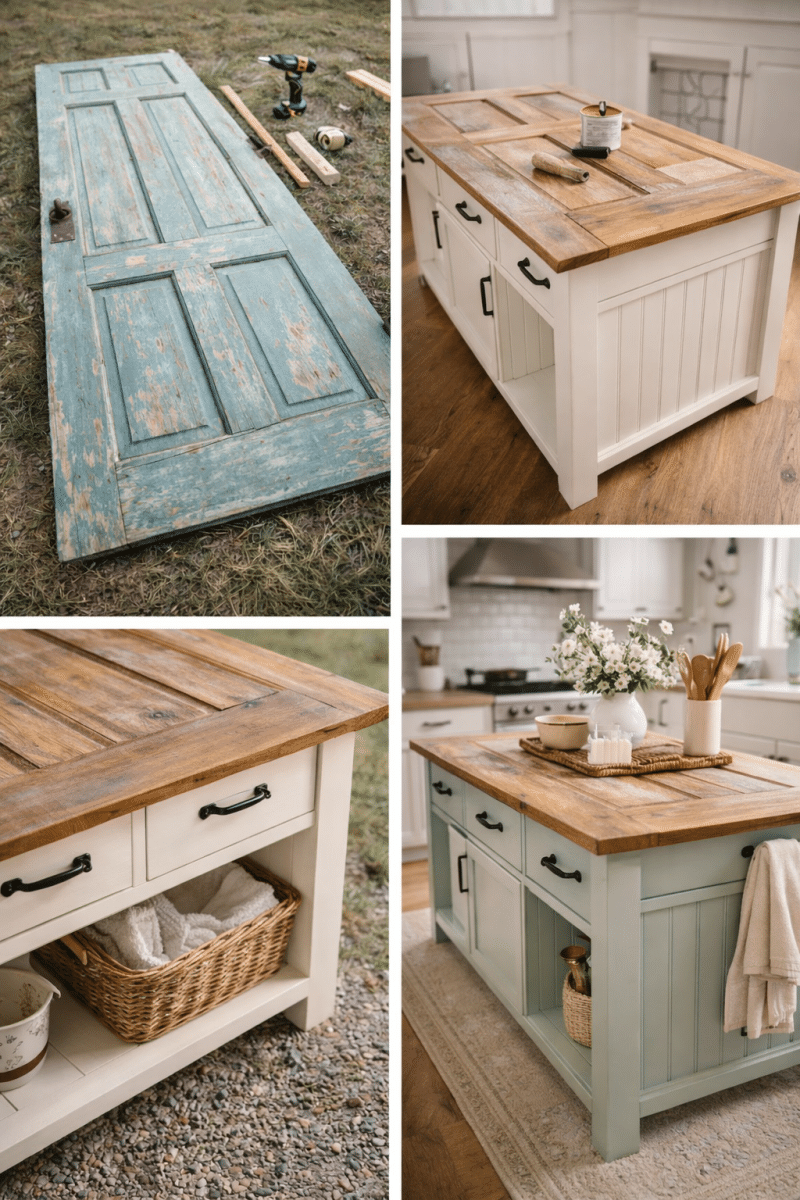
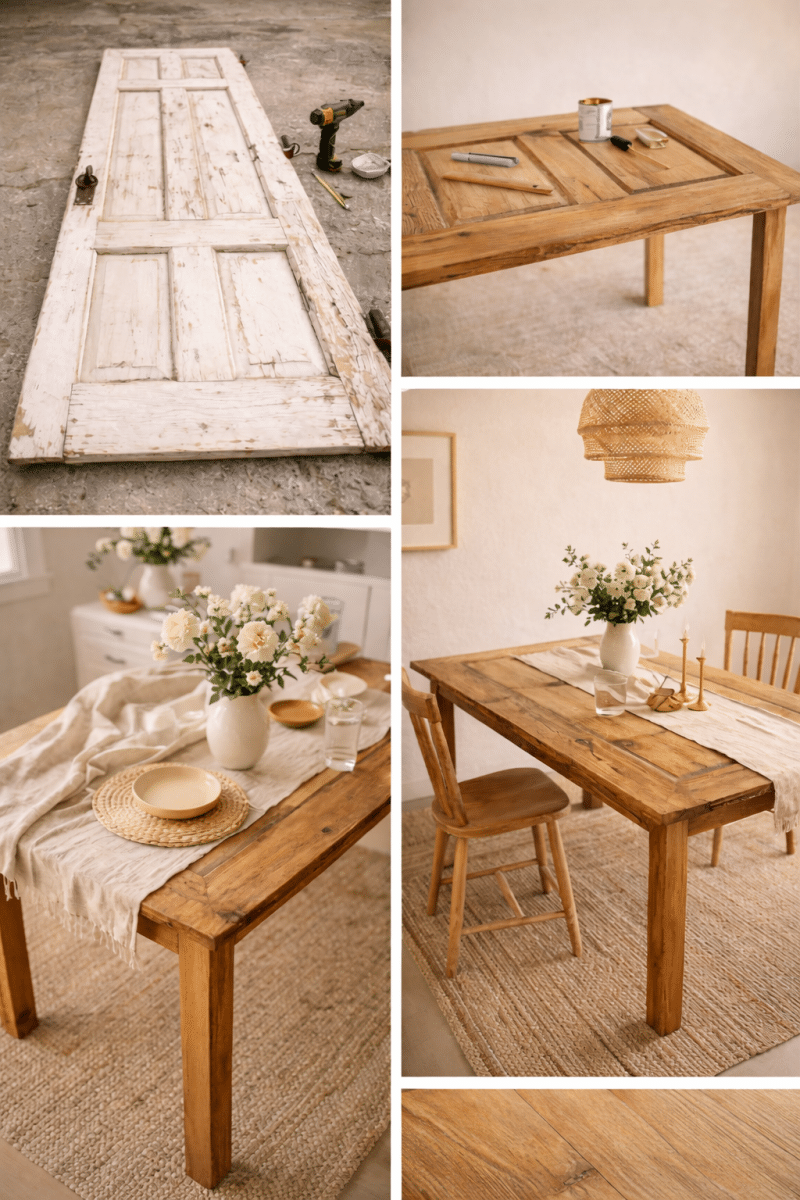
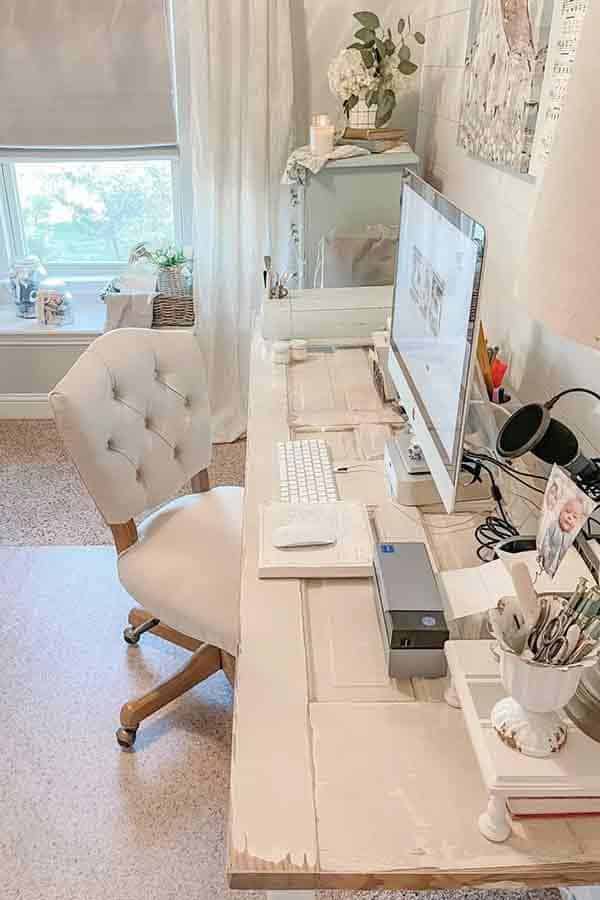
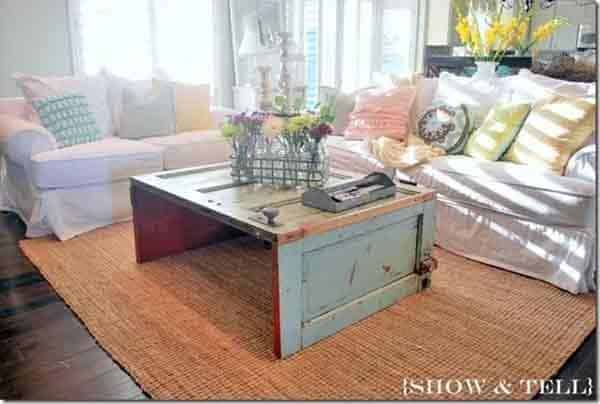

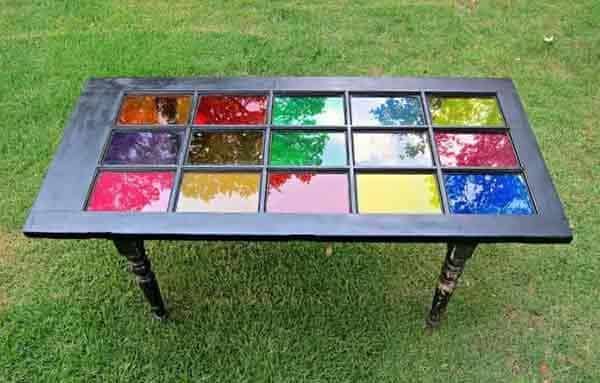
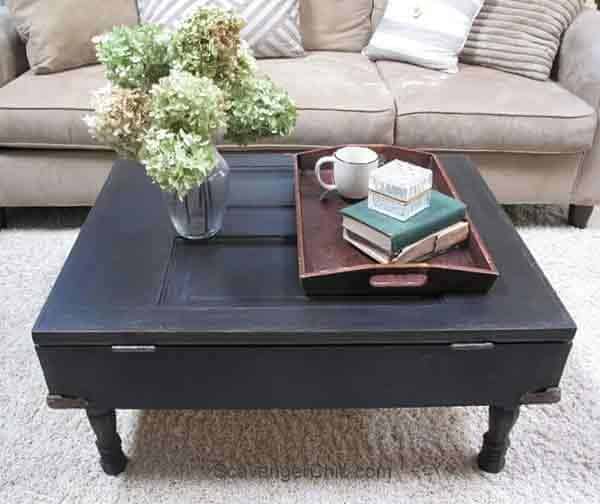
Benefits of repurposing old doors for unique home decor
Repurposing old doors turns yesterday’s materials into a true conversation piece. Patina and panel details add depth you can’t fake with new lumber. It’s also flexible, since you can stain, paint, or leave parts of the finish for contrast.
A DIY old door table can fit tight spaces, too. Use a narrow door as a console for an entryway, or a wider one for a family-style table. With upcycling old doors, each scratch and dent becomes part of the design.
Choosing between solid wood, hollow-core, and vintage paneled doors
Solid wood doors are heavy, but they’re often the strongest choice. They handle sanding and staining well, which makes them great for dining tables or desks. If you want a long-lasting DIY old door table, this is usually the safest bet.
Hollow-core doors are light and budget-friendly, but they need bracing for strength. They work best for a slim console or a light-duty desk unless you build a reinforced frame. Upcycling old doors like these can still look high-end with the right base.
Vintage paneled doors offer bold profiles and recessed sections, but the grooves can trap crumbs. Many makers keep the look and smooth the top with glass or a clear epoxy fill. Repurposing old doors with panels is a smart way to preserve details while making the surface easy to use.
Creative door table ideas for farmhouse, modern, and rustic styles
For a farmhouse feel, pair the door with turned legs, a painted base, and a warm stain on top. Light distressing can highlight the original edges, and antique-style hardware can echo the door’s past. This approach makes a DIY old door table feel settled and homey.
For modern spaces, try hairpin legs or a matte black base with a clean, flat-to-satin paint finish. Keep the color simple so the door’s lines stand out. Upcycling old doors looks especially sharp when old wood meets crisp geometry.
For rustic style, lean into grain, knots, and reclaimed texture with darker stains. Steel frames, trestle bases, or thick wood supports add weight and presence. Repurposing old doors this way creates a table that feels sturdy and grounded.
Tools, Hardware, and Materials for Old Door Furniture Projects
Before starting your old door furniture projects, make sure you have the right tools. For measuring and planning, use a tape measure, straightedge, square, and a sharp pencil. Painter’s tape is great for marking cut lines and protecting the door's surface.
For cutting, a circular saw or track saw works well for straight cuts. A jigsaw is better for curved cuts, like notches. A router can add a soft edge to your project. Always support the door when cutting to avoid it flexing.
Sanding and stripping are crucial for a good finish. Use a random orbital sander and sanding blocks for flat and corner areas. Start with coarse grit and move to finer grits for a smooth finish. For detailed work, a paint scraper and chemical stripper can be helpful. This step-by-step guide can help with old coatings.
For drilling and fastening, have a drill/driver, assorted bits, and a countersink ready. Pocket holes are optional but can make assembly easier. Use wood screws, corner braces, and mounting plates for stability. Wood glue or construction adhesive may be needed, depending on the project.
Choose your base parts early in the process. Options include wooden legs, hairpin legs, or even a repurposed dresser base. If using crates or wood blocks, plan for brackets and bolts to keep the top stable.
Leveling and protecting the surface are important. Use clamps, shims, and a level to ensure stability. Patch any dents with wood filler or epoxy. Finish with primer, paint or stain, and a clear topcoat. Add felt pads or screw-in levelers for uneven floors.
For a clean finish, use a tack cloth, degreaser, and wood conditioner. Choose quality brushes or foam rollers to avoid bubbles and streaks. If the table will be outdoors, use outdoor paint or a weatherproof sealant. Outdoor-rated legs and a glass top can offer extra protection.
Safety is key when working with old doors. Wear eye and ear protection, gloves, and a respirator to avoid dust and harsh chemicals. Keep the area clean, ventilated, and use drop cloths to prevent mess.
Ways to Transform an Old Door into a Beautiful Table
Turning an old door into a new table is a rewarding weekend project. It's all about adding strength, height, and a finish that fits your lifestyle.
First, decide what parts of the door you'll keep and what needs fixing. Panels, bevels, and even old knob holes can add charm. But deep cracks and loose joints need filler, glue, and clamps.
Dining table makeover using a salvaged door table design
For a dining table, aim for 29–30 inches high. Make sure there's enough room for chairs to slide in easily. Choose a solid wood or solid-core door for stability.
To avoid sagging, add an apron or a rigid subframe under the door. Then, bolt the legs into that frame. If the door has deep panels, a glass top or a thin epoxy coat can make the surface even.
Console table concept for entryways and behind sofas
A console table should be slim to avoid blocking the way. If the door is too wide, cut it lengthwise. Keep the cleaner edge toward the walkway for a neat look.
Narrow builds need a lower stretcher for stability and wall anti-tip brackets for safety. A tough topcoat is crucial, as keys and mail can scratch softer finishes.
Coffee table build with casters and a lower storage shelf
Start with a door top and a perimeter frame, then add four casters that match your floors. Choose locking casters for rugs or active rooms. Make sure the casters can handle the table's weight without wobble.
Add a lower shelf from reclaimed boards or plywood for magazines, games, and throws. This design lets you keep small details, like worn edges, while cleaning up splinters for safe use.
Desk or craft table option for a functional workspace
For a desk, aim for a height of 29–30 inches. Ensure there's clear knee space and stable legs. Plan for cable management by drilling grommet holes or routing a channel underneath.
Crafting is hard on surfaces, so use a stronger topcoat. If the door has heavy texture, a removable glass overlay can make measuring and writing easier.
Outdoor patio table plan with weather-resistant finishes
Outdoor furniture needs extra care because sun and moisture find every weak spot. Seal end grain, use waterproof wood glue, and choose corrosion-resistant hardware like stainless steel or coated screws.
Build up an outdoor-rated finish system and plan on periodic recoats to prevent peeling, swelling, and water stains. For outdoor creative door table ideas, keep shallow panel lines for character. But patch open hardware holes so water cannot pool.
Prep Work for Repurposing Old Doors: Cleaning, Repairing, and Reinforcing
Getting ready to repurpose old doors is key. Start by taking off hinges, locks, and nails. Then, check the door in bright light for any damage.
Wash off dirt before sanding. Use a degreaser to remove wax and oil. This helps the primer stick better. Let it dry and check if it's flat on sawhorses.
Stripping old paint and dealing with lead-safety considerations
If the door is old, it might have lead paint. Use a lead test kit before stripping. Work outside or in good ventilation if it tests positive.
Choose safe methods like wet scraping or sanding. Clean up with a HEPA vacuum and damp wipes. Avoid dry sanding and heat guns to keep lead exposure low.
Fixing cracks, loose panels, and holes from knobs or locks
Fix damage carefully. Use wood filler for small issues and epoxy for bigger ones. For holes, glue in plugs or dowels and sand them down.
For loose panels, add glue and clamp. If veneer is missing, patch it before finishing. Keep hardware holes for a unique look.
Reinforcing hollow-core doors for stability and weight support
Hollow-core doors need extra support. Add blocking for screws and a frame for edges. This makes the table stable.
Another way is to laminate a plywood backer. This is good for console and coffee tables. Dining tables need more support to stay flat. With these steps, making a table from an old door is easier.
Finishing Techniques for an Old Door to New Table Look
The finish makes a salvage find feel right at home. For turning an old door into a table, the right steps make it easy to use every day.
Staining vs. painting: picking the best finish for your space
Stain is best on solid wood to show off the grain. First, apply a wood conditioner to avoid blotches. Then, stain in thin coats, keeping a wet edge.
Paint is better for doors with patches or mixed materials. Use a quality primer for a good grip and to block tannins. Choose a sheen that matches your room, like matte, warm white, or rustic.
Protective topcoats for durability, spills, and daily wear
Tabletops face heat, water rings, and cleaners. They need more than just color. Water-based polyurethane is clear and dries fast, while oil-based adds warmth.
Hardwax oils give a natural, low-sheen feel but need touch-ups. In any tutorial, know the difference between “dry” and “cured” to avoid damage.
Adding glass or epoxy for a smooth, easy-clean tabletop
Glass is clean and reversible, protecting details. Use tempered glass and small bumpers to prevent rattling.
Epoxy creates a glossy, level surface that’s tough once cured. It highlights dents and dust, so careful mixing and a calm workspace are key.
Decorative upgrades: inlays, hardware accents, and mixed materials
Small upgrades add character without hiding the door’s history. Try metal corner straps, reclaimed handles, or contrasting wood inlays.
For an industrial look, pair wood with steel legs and use one metal tone. A light touch often looks more timeless in a build.
Conclusion
The first step to transform an old door into a beautiful table is choosing the right door. Look at its thickness, core, and condition. Then, pick a table type that fits your space, like a dining table or coffee table.
For good results, start with safe prep and a solid structure. Clean the door first, repair any damage, and be careful with older paint. If it's hollow-core, add reinforcement to handle daily use without issues.
Next, focus on the base and finish. A stable leg set or metal frame makes the table sturdy. Choose a protective topcoat that handles spills and heat, and pick a sheen that matches your room.
Before drilling or cutting, measure twice and plan hardware placement for squareness. Adjust details like leg style and color based on your use. Start with one door, a clear plan, and a trusted finish. You'll end up with functional decor that tells a story.