Amazing DIY Garden Decorations From Old Things

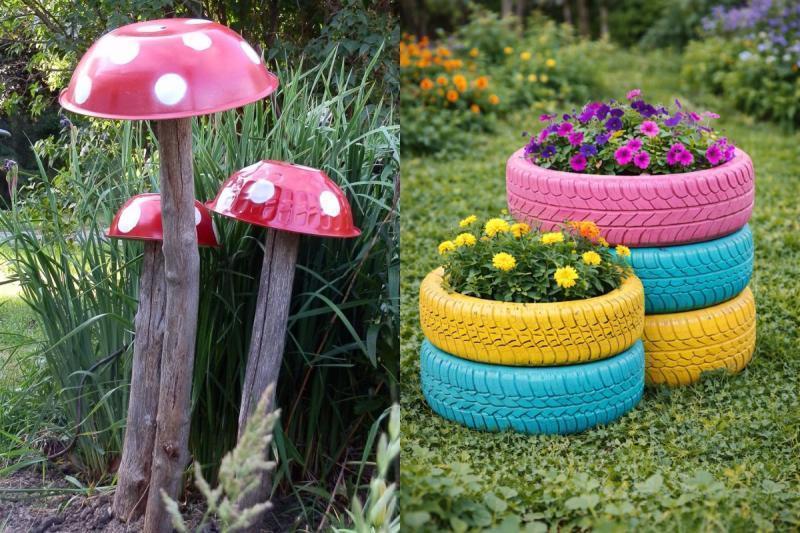
Your backyard is full of potential for change without costing a lot. Old items in your garage or basement can turn into beautiful parts of your outdoor space. Eco-friendly garden upcycling makes common objects into unique pieces that spark conversations and help the environment.
You don't need to be a pro or spend a lot to make your garden look great.
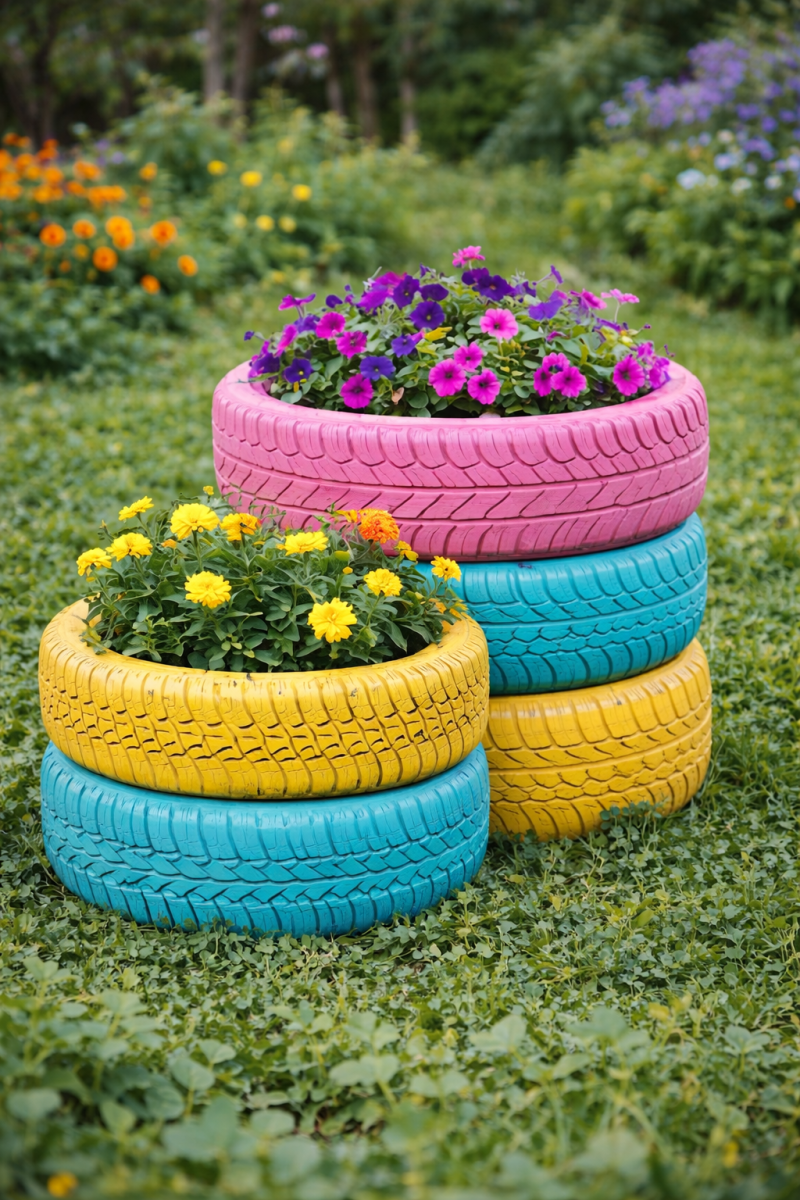
Old teacups can hold plants, ladders can become vertical gardens, and even old tires can be colorful flower beds.

This way, you save money and cut down on waste. Backyard transformation using old items lets you show off your style while being green. Thrift stores and yard sales are full of cheap materials for creative projects.
Whether you're good at crafts or just starting, these projects can look amazing. For more ideas, check out our guide to affordable DIY garden projects. Your outdoor area will show off your creativity and commitment to living sustainably.
Ever see an old kitchen chair and think it could be a planter? That's the essence of repurposed outdoor decorations. What many throw away can become unique garden features.
Repurposing also cuts down on new product demand. Making new decorations uses raw materials, energy, and transportation, all of which harm the environment. By using what you already have, you help the planet.
Upcycled garden decor ideas are budget-friendly. Landscaping and store-bought decorations can be expensive. But, a thrift store find like a vintage teapot can become a unique planter.
Budget-friendly yard decorations often have more character than pricey ones. Items from big-box stores are common. But, grandma's old watering can or a rusty bike wheel tell a story that new items can't.
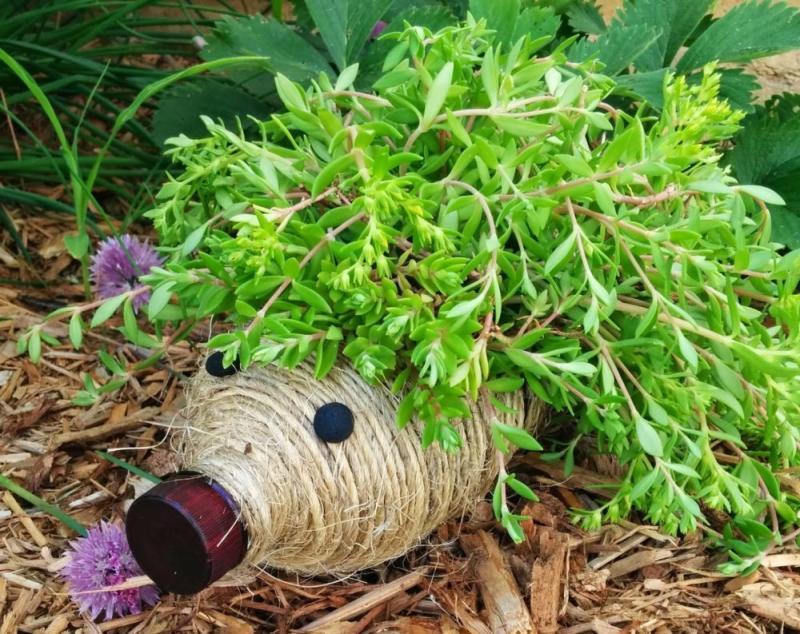
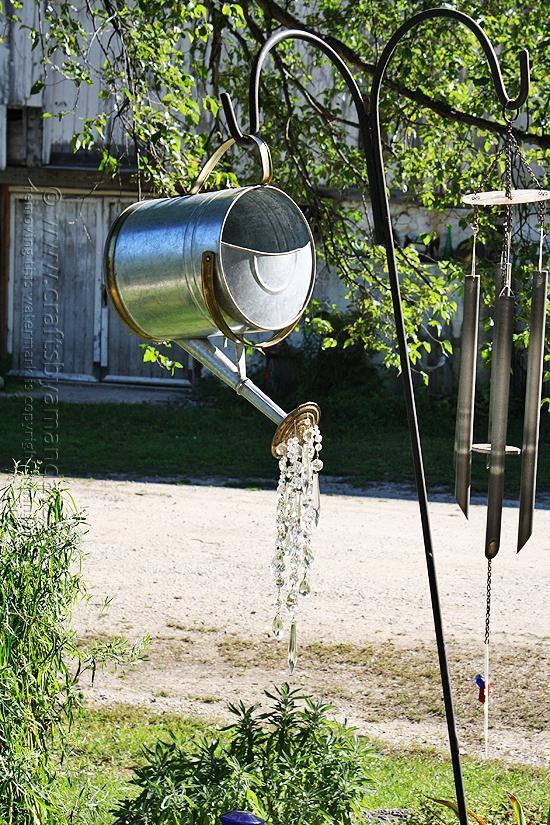
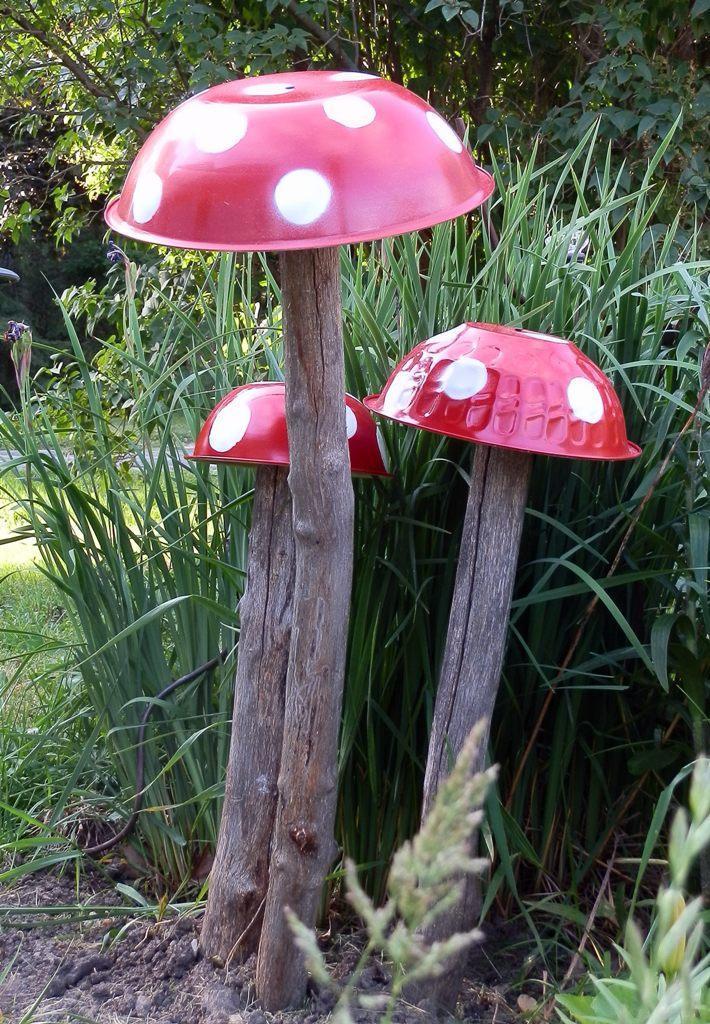
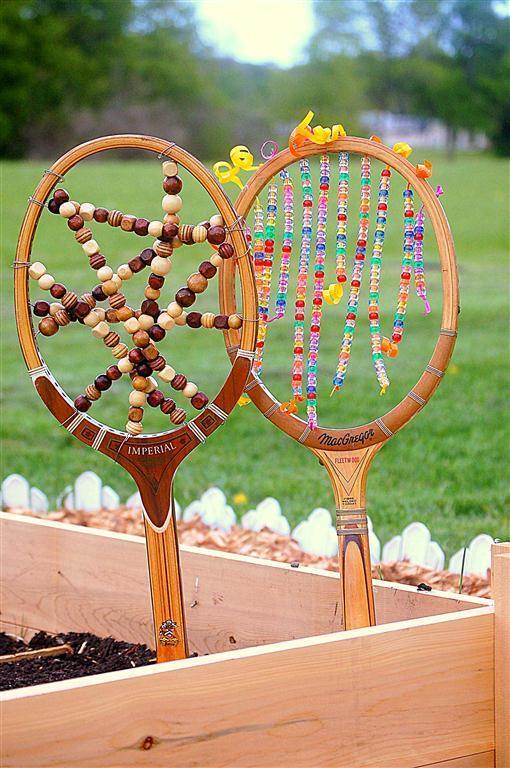
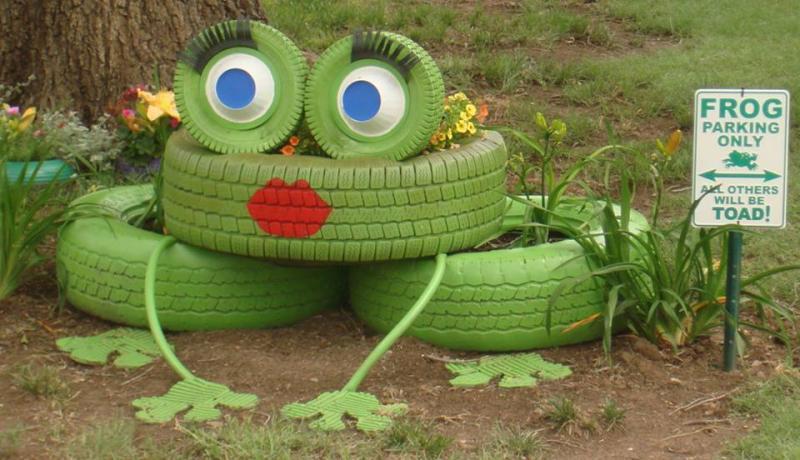
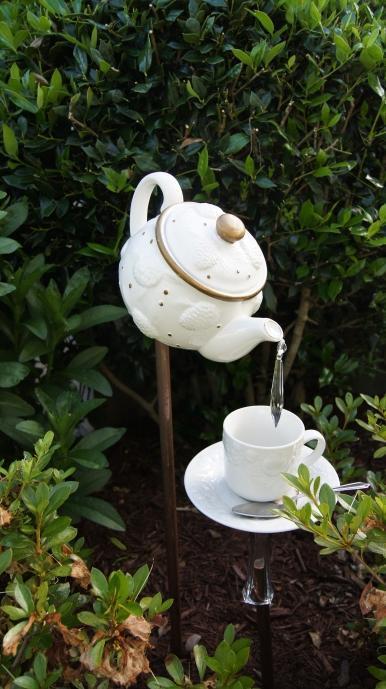
Creating something new from old brings joy. Turning something ordinary into something special is fulfilling. It makes you see everyday objects in a new light.
Thrift shopping and garage sales become exciting. Every flea market is a chance to find something special. A broken ladder can become a vertical garden.
Repurposed outdoor decorations add personal meaning to your garden. Using items with history connects past and present. Maybe you'll turn your first apartment's chair into a planter or your dad's toolbox into an herb garden.
These items carry memories and stories. When friends visit, you share these stories. It deepens relationships and creates new memories.
Working on these projects together benefits your family. It teaches kids about sustainability and creativity. They learn that it's not about how much you spend, but how creative you are.
These activities improve problem-solving and environmental awareness. Kids who help with budget-friendly yard decorations learn to appreciate reuse. They'll carry these lessons into adulthood.
These projects also strengthen family bonds. You're not just making decorations; you're creating memories and teaching important skills. Your kids will remember the time you made lanterns from old mason jars, not the expensive store items.
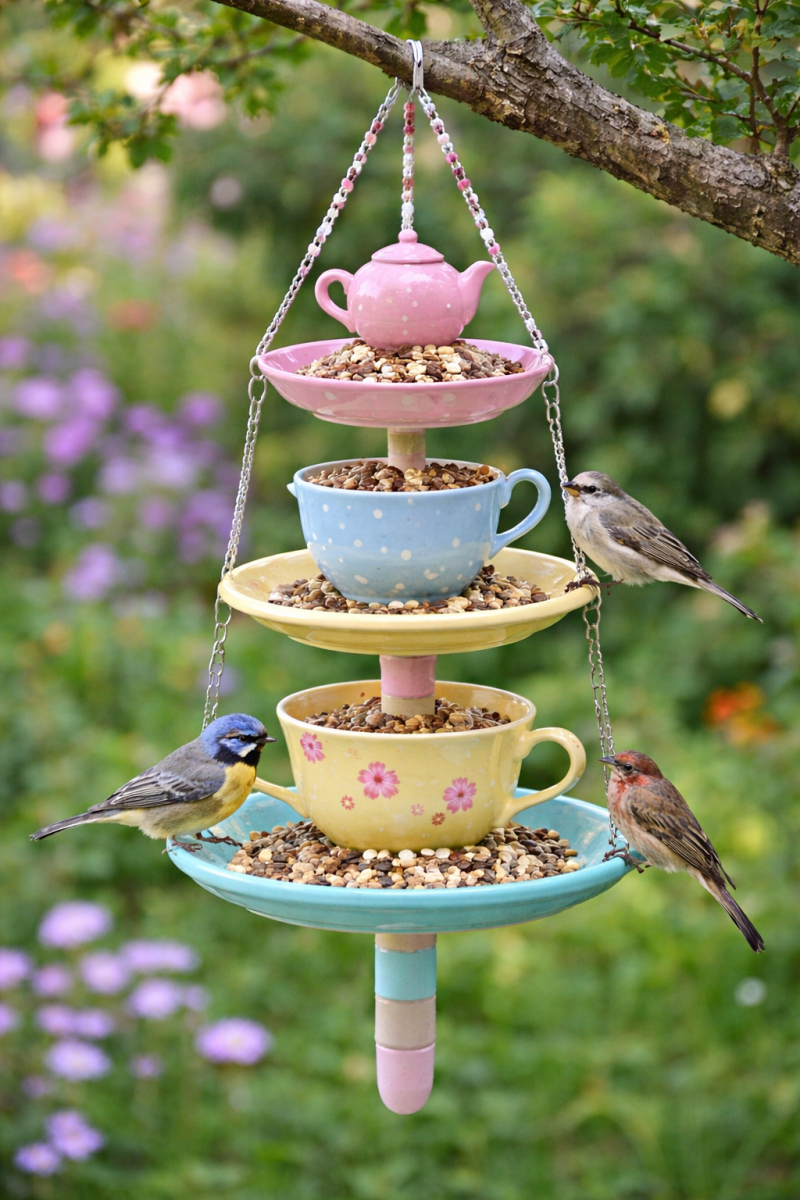
Amazing DIY Garden Decorations Made From Old Things: Kitchen and Household Items
Your kitchen and storage spaces hold treasures for garden decor. Old teapots, chipped dishes, and worn furniture can be transformed. These items bring character and history, unlike store-bought decorations.
Working with household items is easy and fun. You likely have suitable pieces in your attic or garage. Repurposing these items saves money and reduces waste, making your garden beautiful and eco-friendly.
Kitchen and household items add charm to outdoor spaces. A vintage teapot becomes a whimsical planter, and an old wooden chair becomes a unique display stand. These projects show off your style and creativity.
Vintage Teapots and Kettles as Charming Planters
Teapots and kettles are great for small plants and flowers. Their shapes add interest to gardens. Metal kettles develop a beautiful patina over time, enhancing their rustic appeal.
Ceramic teapots are perfect for shade-loving plants like ferns and hostas. Their glazed surfaces protect against moisture. These crafts bring elegance to your outdoor space.
Choose teapots and kettles based on their material and condition. Metal vessels withstand outdoor elements better than delicate porcelain. Look for items with intact handles that can support the weight of soil and plants.
Enamel kettles are durable and come in cheerful colors. Copper teapots develop stunning blue-green verdigris. Avoid vessels with significant cracks unless for artificial arrangements only.
Consider the size of your chosen vessel when planning your plantings. Smaller teapots suit succulents and herbs perfectly. Larger kettles accommodate trailing plants like petunias or ivy.
Drainage and Plant Pairing
Proper drainage prevents root rot and keeps plants healthy. Drill small holes in the bottom of metal kettles using a power drill with a metal bit. For ceramic pieces, use a masonry bit and work slowly to avoid cracking.
Add a layer of small stones or broken pottery pieces at the bottom before adding soil. This creates a drainage reservoir that prevents waterlogged roots. Choose plants that match your container's drainage capacity and sun exposure location.
Succulents and sedums thrive in vessels with limited drainage due to their drought-tolerant nature. These salvaged garden art projects work beautifully with plants that prefer drier conditions. For containers with good drainage, try herbs like thyme, oregano, or trailing rosemary.
Old Chairs and Ladders as Plant Stands
Broken or outdated chairs gain new purpose as elevated plant displays in the garden. Their varied heights create visual interest and dimension in flower beds. Wooden ladder stands provide multiple levels for showcasing different plant varieties together.
An old chair with a missing seat becomes the perfect frame for a planter box. Simply fit a container into the seat opening or build a custom wooden box. Paint the chair in bold colors for a cottage garden look, or leave it natural for rustic charm.
Ladders work exceptionally well for vertical gardening in small spaces. Place potted plants on each rung to create a living wall effect. This approach maximizes growing space while adding architectural interest to blank walls or fence sections.
Weatherproofing Your Furniture
Outdoor exposure requires protective treatment to extend the life of wooden furniture pieces. Sand rough surfaces thoroughly before applying any protective coating. Use exterior-grade sealant or marine varnish for maximum weather resistance.
Apply two to three coats of your chosen finish, allowing proper drying time between applications. Pay special attention to end grains and joints where moisture typically penetrates. Reapply protective coating annually to maintain optimal protection against the elements.
For metal furniture, remove rust with a wire brush before painting. Use rust-inhibiting primer followed by exterior enamel paint. These vintage garden ornaments DIY pieces will last for years with proper preparation and maintenance.
Creative Arrangement Ideas
Group multiple chairs at varying heights to create an eye-catching garden vignette. Mix painted and natural finishes for eclectic appeal. Arrange chairs along pathways to guide visitors through your garden while providing resting spots for potted plants.
Ladder displays work beautifully against walls, fences, or as freestanding features. Alternate plant types on different rungs for textural variety. Combine flowering plants with foliage plants to ensure year-round interest in your creative garden crafts from recycled materials.
Create themed displays by coordinating your furniture color with your plant choices. A bright blue chair pairs wonderfully with yellow marigolds or white petunias. Natural wood tones complement purple lavender and pink roses for a romantic garden feel.
Broken China and Ceramics for Mosaic Projects
Chipped plates, cracked mugs, and broken tiles find beautiful new life in garden mosaic art. Their colorful patterns and varied textures create stunning visual designs. Mosaic projects transform ordinary garden elements into personalized works of art that showcase your creativity.
Save broken dishware in a dedicated container until you have enough pieces for a project. Sort pieces by color and pattern to make design work easier. Even the smallest fragments work perfectly for filling gaps and adding detailed accents to your salvaged garden art projects.
Garden Stepping Stones
Custom mosaic stepping stones add personality and function to garden paths. Create them using concrete molds available at craft stores or make your own using plastic containers. Press broken china pieces into wet concrete to create permanent, weather-resistant designs.
Plan your design before mixing concrete for best results. Arrange your china pieces on paper to visualize the final pattern. Use larger pieces for the main design elements and smaller fragments to fill background areas.
Allow your stepping stones to cure for at least 48 hours before placing them in the garden. Seal the surface with concrete sealer to protect against moisture and prevent pieces from loosening. These durable stones withstand foot traffic while adding artistic flair to your walkways.
Decorative Birdbaths and Pots
Transform plain terracotta pots or concrete birdbaths into colorful focal points using mosaic techniques. Apply broken china directly to the surface using outdoor tile adhesive. Work in small sections to keep the adhesive from drying before you finish.
Create borders, patterns, or random designs depending on your artistic preference. Mix china pieces with glass gems or pebbles for added dimension. Let the adhesive cure completely before applying grout between the pieces.
Use sanded grout in a color that complements your china pieces for professional-looking results. Wipe excess grout away carefully with a damp sponge. These creative garden crafts from recycled materials become treasured garden features that attract birds and admiring guests alike.