Balcony Gardens: Cultivate Your Urban Oasis

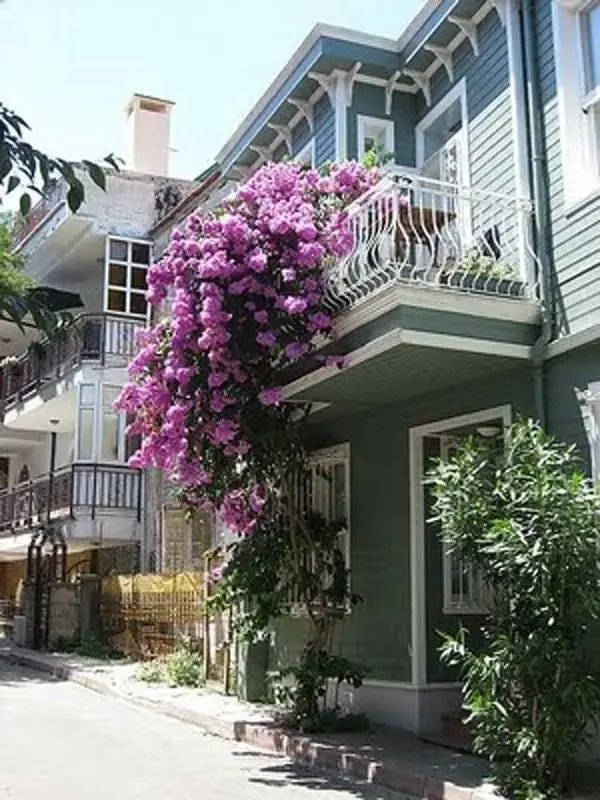
A balcony can be more than a spot for storage or a quick step outside. With the right plan, it becomes an urban oasis balcony. Here, you can sip coffee, snip fresh herbs, and unwind after work.
When we say Top Balcony Gardens, we mean setups that thrive in real city conditions. Think smart plant picks, efficient layouts, and simple systems. These handle strong wind, limited sun, and close neighbors. If you’re looking for small balcony garden ideas that feel calm and doable, you’re in the right place.
Before you buy pots, plan for the rules that shape a city balcony garden. Many buildings have HOA or lease guidelines about rail planters, watering, and what can hang over the edge. Weight matters, too, so it helps to skip heavy ceramic and choose lighter containers and potting mixes that won’t turn into waterlogged bricks.
Drainage etiquette is also part of good balcony living. You’ll want saucers, trays, or self-watering planters that keep runoff off the neighbors below. A neat setup looks better and makes daily care feel easier.
If you need fast balcony garden inspiration, start with small moves that save space. Folding bistro sets, slim shelves, corner stands, and rail planters are good choices. Add a few decorative items—outdoor string lights, weather-safe lanterns, or a simple rug—to soften hard surfaces and make the space feel lived in. For more visuals, balcony garden ideas can help you picture what works in tight footprints.
Next, we’ll walk through how to read your balcony’s sun and wind, choose containers and potting mix, and build upward with vertical options. You’ll also learn which herbs, flowers, and compact veggies tend to perform best. Then we’ll pull it together with design tips that support real life—privacy from nearby windows, a clear path to the door, and plants within reach.
- Top Balcony Gardens for Small Space Gardening
- Assessing Sun, Wind, and Microclimates on Your Balcony
- Balcony Gardening Essentials: Containers, Potting Mix, and Drainage
- Vertical Gardening for Balconies: Trellises, Rail Planters, and Wall Systems
- Best Plants for Balconies: Herbs, Flowers, and Compact Veggies
- Urban Gardening Tips for Privacy, Shade, and Noise Reduction
- Balcony Garden Design Ideas and Urban Gardening Tips
- Layout Planning: Zoning for Dining, Lounging, and Growing
- Color Themes and Texture Pairings for Balcony Garden Inspiration
- Space-Saving Solutions: Stacking Pots, Hanging Baskets, and Corner Shelves
- Choosing Containers That Match Your Style and Climate
- Lighting and Decor Touches to Create a Cozy Urban Oasis
- Conclusion
Top Balcony Gardens for Small Space Gardening
Balcony gardening is all about creating a tiny ecosystem. A few square feet can grow a lot if you match plants to your space. Before buying more, check your balcony's conditions.
Assessing Sun, Wind, and Microclimates on Your Balcony
Map your balcony's sunlight for a day. Note where light hits in the morning, midday, and late afternoon. South- and west-facing spots get hot, while north stays cooler.
Wind is a big issue, especially on upper floors. If leaves are torn or soil dries fast, you have wind problems. Use a lattice panel or shade cloth to block it.
Balconies have unique microclimates. Glass reflects heat, concrete stores it, and overhangs block rain. Containers dry out quickly, so watch them closely.
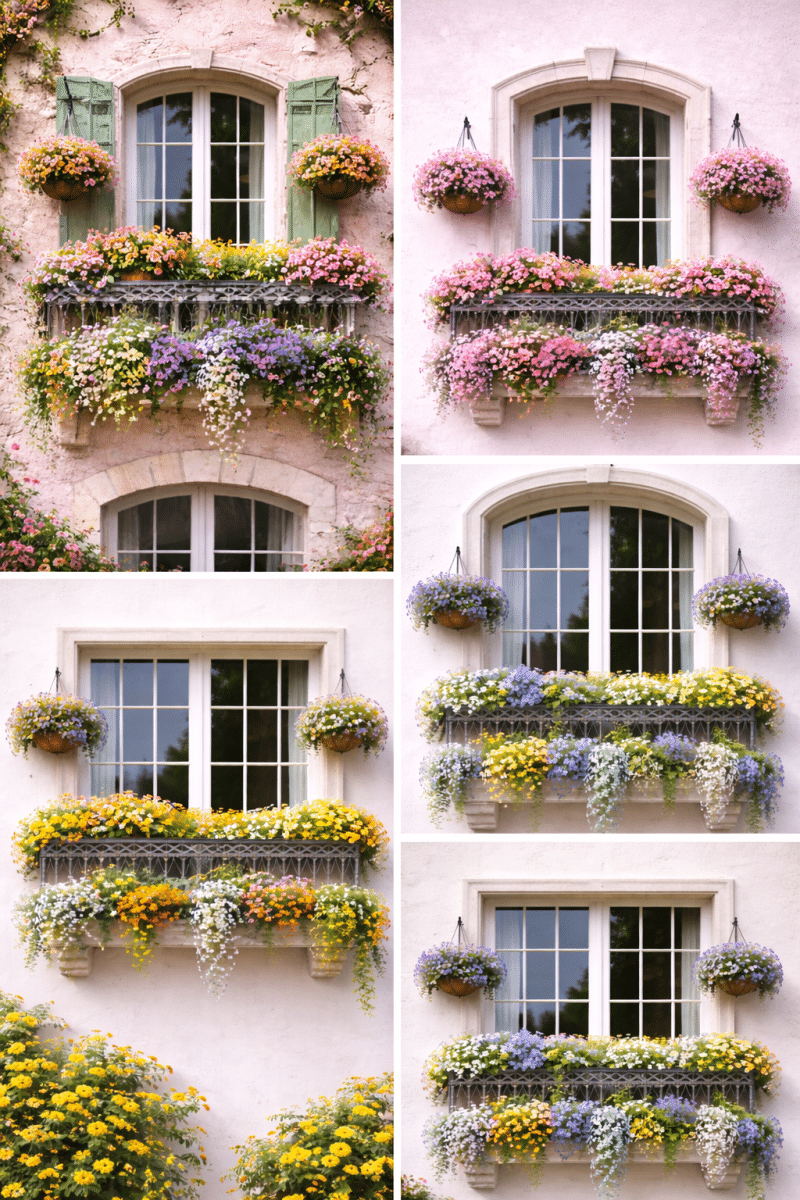
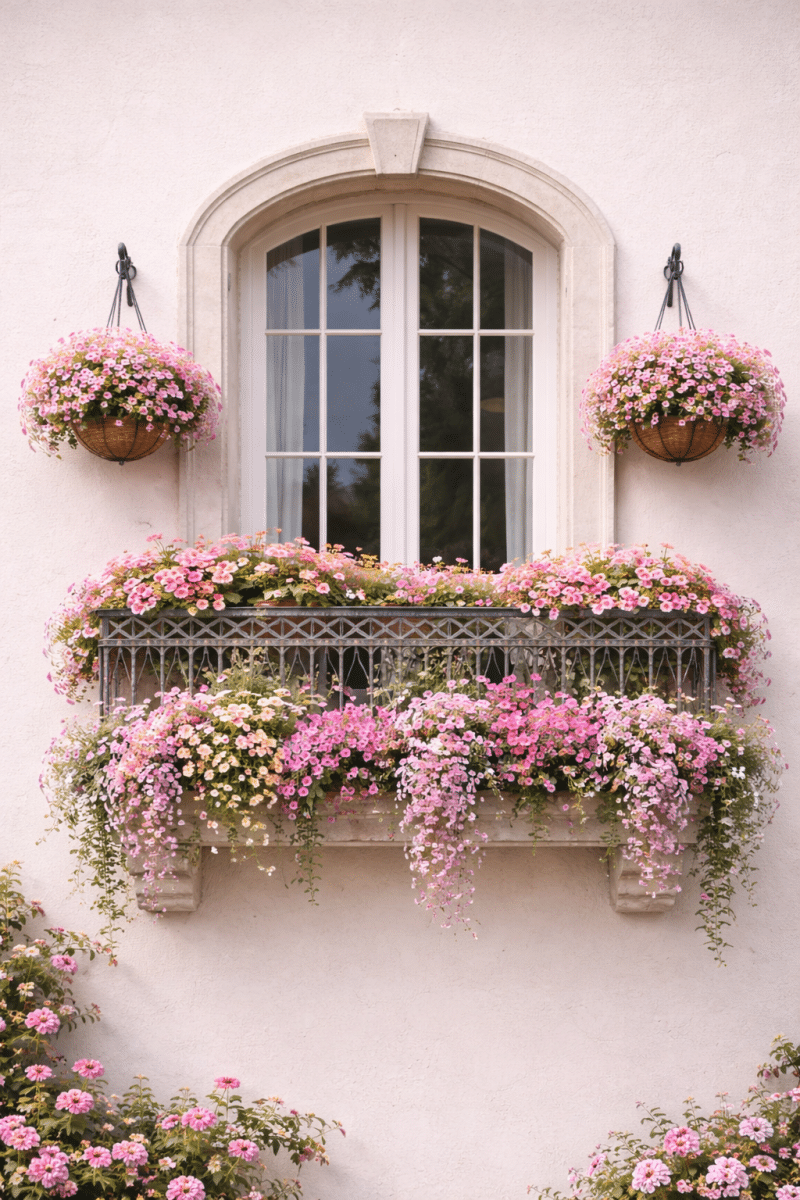
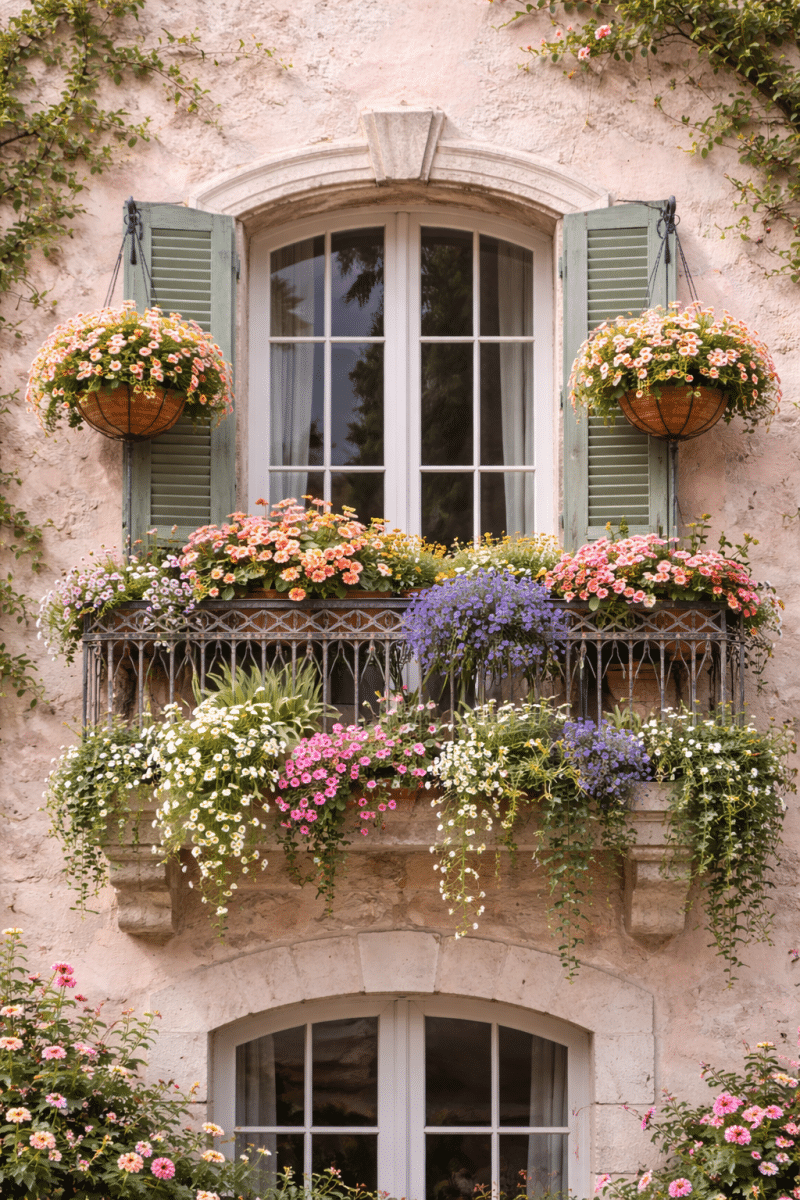
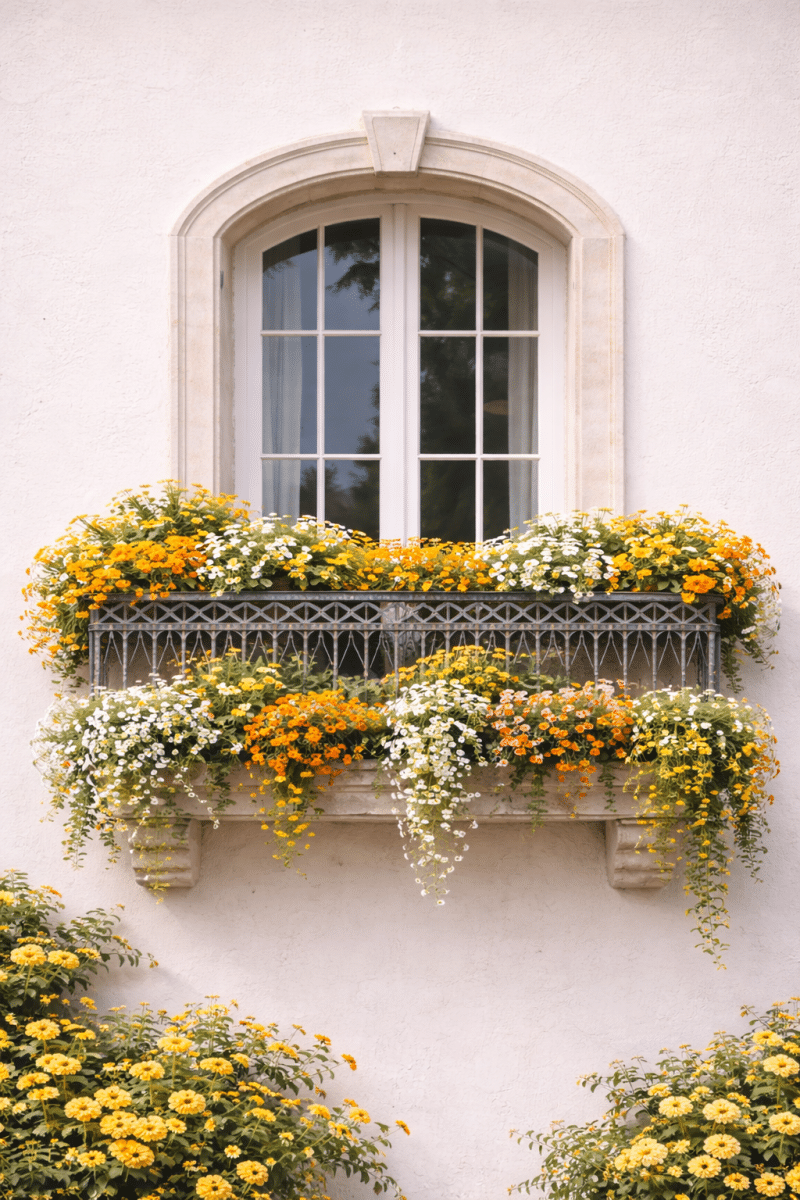
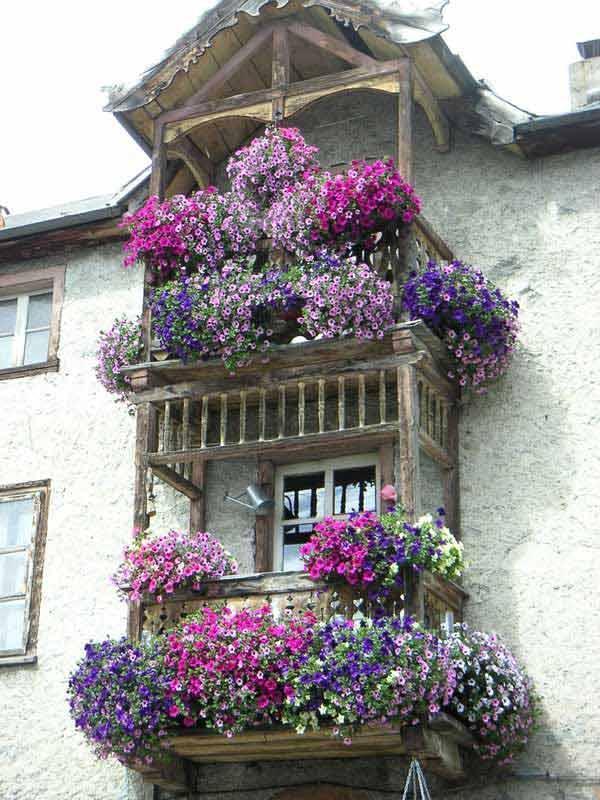
Via: rosenreslitraum.blogspot.com
Via: edytaandco.com
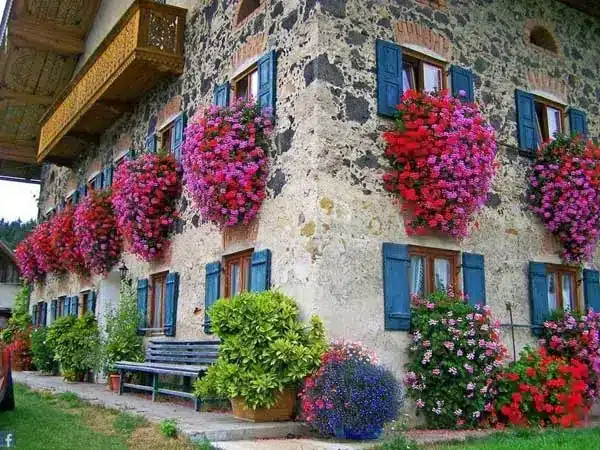
Via: facebook.com
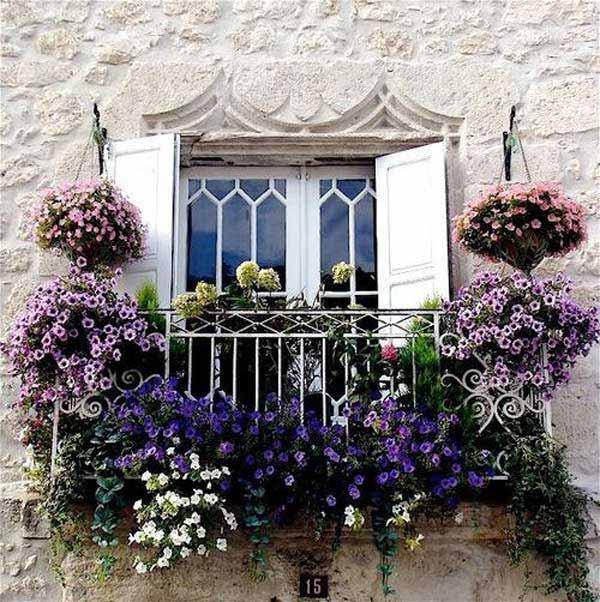
Via: theyallhateus.com
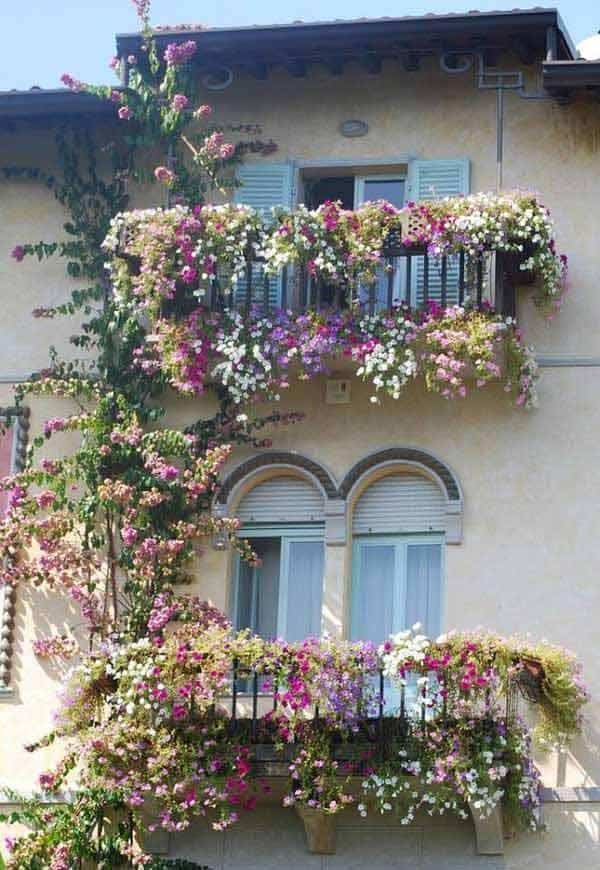
Via: facebook.com
Balcony Gardening Essentials: Containers, Potting Mix, and Drainage
Good balcony gardening starts with the right container. Choose pots with holes and use saucers only if you can empty them. A good potting mix helps roots breathe and prevents water pooling.
For lighter loads, try resin or fabric grow bags. Refresh the mix with compost each season. For a DIY upgrade, PVC pipe garden ideas can help you build planters and irrigation.
Vertical Gardening for Balconies: Trellises, Rail Planters, and Wall Systems
Vertical gardening turns railings and walls into planting space. Rail planters are great for herbs and flowers. Trellises support climbers and improve airflow.
PVC is useful for vertical gardening. A drilled pipe planter can hold herbs or lettuce. A basic frame can be a trellis for peas or beans. Make sure drainage is good to avoid water damage.
Best Plants for Balconies: Herbs, Flowers, and Compact Veggies
Choose plants that fit your light and schedule. In sunny spots, try basil, rosemary, and compact tomatoes. For partial sun, leafy greens like lettuce and spinach are good.
For color and pollinators, marigolds, nasturtiums, and petunias work well. Use compact varieties and group plants by watering needs for easy care.
Urban Gardening Tips for Privacy, Shade, and Noise Reduction
Use gardening tips to solve comfort problems. Tall grasses and bamboo can add privacy. Shade cloth can cool a hot balcony and protect plants from sun scorch.
Plants can soften city noise by layering them at different heights. Mix broad-leaf plants with denser foliage. Keep hardy containers near the railing for a green buffer.
Balcony Garden Design Ideas and Urban Gardening Tips
Creating a cozy balcony garden starts with a thoughtful plan. It's like designing a small room. With the right ideas, even a small balcony can be both beautiful and functional.
Layout Planning: Zoning for Dining, Lounging, and Growing
First, make a clear path from the door to the railing. Place your furniture zone next, like a bistro set, to avoid clutter. Then, add growing zones along the edges to keep the center open.
Put plants that need sun on the sunny side. Use the shadier wall for plants that like cooler spots. Keep herbs near the door for easy access while cooking.
Leave space between containers for easy watering and pruning. Rotate pots regularly to ensure even growth. Avoid overcrowding to prevent mildew and pests.
Color Themes and Texture Pairings for Balcony Garden Inspiration
Choose a simple color theme and use it throughout. A calm palette can make the space feel larger. Mix textures like glossy leaves and soft vines for added interest.
Balance bold plants with quieter ones for a relaxed look. A single bright accent, like red geraniums, adds a pop of color. This editing skill is key for small spaces.
Space-Saving Solutions: Stacking Pots, Hanging Baskets, and Corner Shelves
Use vertical space with stackable pots and hanging baskets. Corner shelves can turn dead space into a display. These solutions save floor space.
Choose lightweight pots and group plants by water needs. These tips make care easy and keep your balcony tidy. They also help with maintenance when the weather changes.
Choosing Containers That Match Your Style and Climate
Choose containers based on your climate. Terracotta is breathable but dries fast, while resin holds moisture longer. Glazed ceramic can handle heat but check for drainage.
Repeat container shapes to create a cohesive look. This visual rhythm is easy to achieve. It also makes swapping plants seamless as seasons change.
Lighting and Decor Touches to Create a Cozy Urban Oasis
Use layered lighting like indoors. Soft lighting near seating and bright lights near plants. Battery candles or string lights add warmth without glare. A small outdoor rug can soften hard concrete.
Choose decor that serves a purpose, like a slim bench for storage. This practical touch supports maintenance and makes the space welcoming. When function and comfort meet, inspiration for small spaces comes naturally.
Conclusion
The best Top Balcony Gardens start with observation, not shopping. Take a week to note sun hours, wind tunnels, and hot spots near walls or glass. These clues guide every smart choice, from shade lovers to heat-tough planters.
With solid urban gardening tips, even a narrow balcony can feel calm and green. Next, build a foundation that won’t fail in a storm or a heat wave. Choose sturdy containers, use a quality potting mix, and make sure drainage is never blocked.
From there, go vertical with trellises, rail planters, and wall pockets. This adds growing space without crowding your feet. This is where balcony garden inspiration turns into a layout you can use every day.
In real life, balcony garden maintenance is what keeps the view fresh. Set a watering routine you can stick with, feed container plants on schedule, and snip spent blooms to push new growth. Do quick pest checks when you water, especially under leaves and near stems.
These small habits matter more than fancy gear. Most of all, remember that Top Balcony Gardens are repeatable systems, not one perfect photo. Start small with best plants for balconies like basil, chives, marigolds, and compact peppers, then learn your balcony’s microclimate as the seasons change.
Keep using urban gardening tips that fit your building rules and weather, and you’ll scale up into a personal oasis over time.