Easter Door Wreath Built on a Base That Lasts

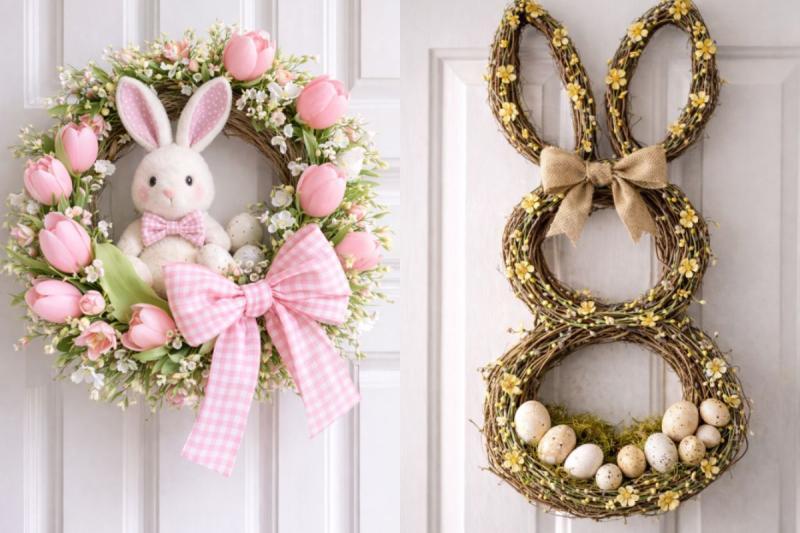
Spring brings fresh beginnings, and nothing celebrates the season quite like a beautiful decoration adorning your front door. Seasonal wreaths have become a cherished tradition for homeowners across America, instantly transforming ordinary entryways into warm, inviting spaces that welcome family and friends.
Whether you love classic pastel designs or modern farmhouse styles, there's a creation that matches your personal taste.
The beauty of these festive decorations lies in their incredible versatility. You can choose from ready-made options or explore the joy of handmade crafting.
https://www.youtube.com/watch?v=Kxhagn9hh20
Both experienced crafters and first-time makers will discover countless ways to express their creativity. From delicate floral arrangements to rustic twig designs, these charming circles of seasonal beauty brighten any home. The process of creating or selecting your decoration becomes part of the celebration itself.
Let's explore how you can bring springtime magic to your entryway with stunning designs that capture the spirit of renewal and joy.
Why Easter Wreaths Transform Your Spring Decor
When you hang an Easter wreath on your front door, you're doing more than decorating—you're creating a warm welcome for everyone who visits. This simple addition becomes the focal point of your home's exterior, setting expectations before guests even step inside. The colors, textures, and cheerful designs immediately communicate that your home celebrates the season.
Spring decorating has powerful effects on our mood and mindset. Fresh pastel colors and natural elements like flowers, eggs, and greenery trigger feelings of renewal and optimism. These visual cues help shake off winter's gloom and embrace the energy that comes with longer, sunnier days.
The growing popularity of holiday wreath crafts reflects a deeper desire for meaningful, hands-on creativity. Store shelves overflow with mass-produced decorations, but nothing compares to displaying something you've made yourself. Your wreath becomes a conversation starter and a source of genuine pride.
DIY Easter wreaths offer significant financial advantages over purchased alternatives. A handmade wreath typically costs 40-60% less than comparable store-bought versions. You control the budget by selecting materials that fit your price range while achieving a custom look that reflects your personal style.
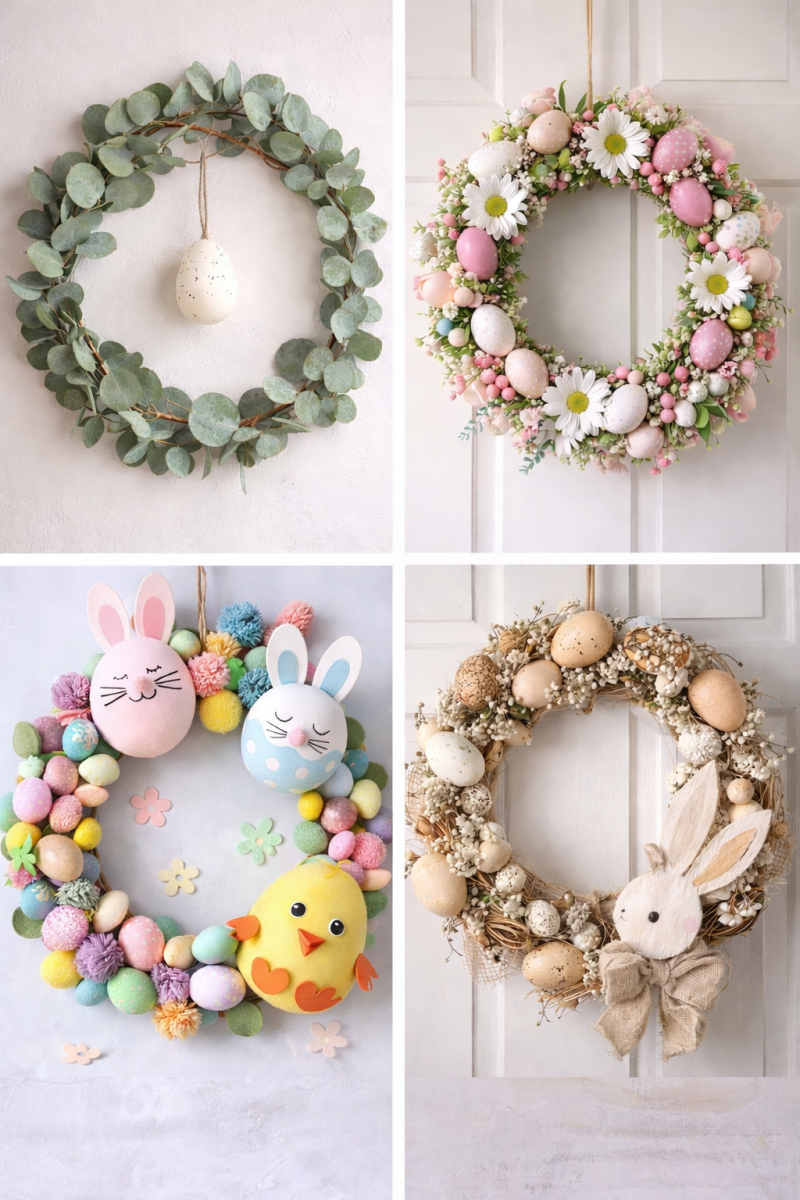
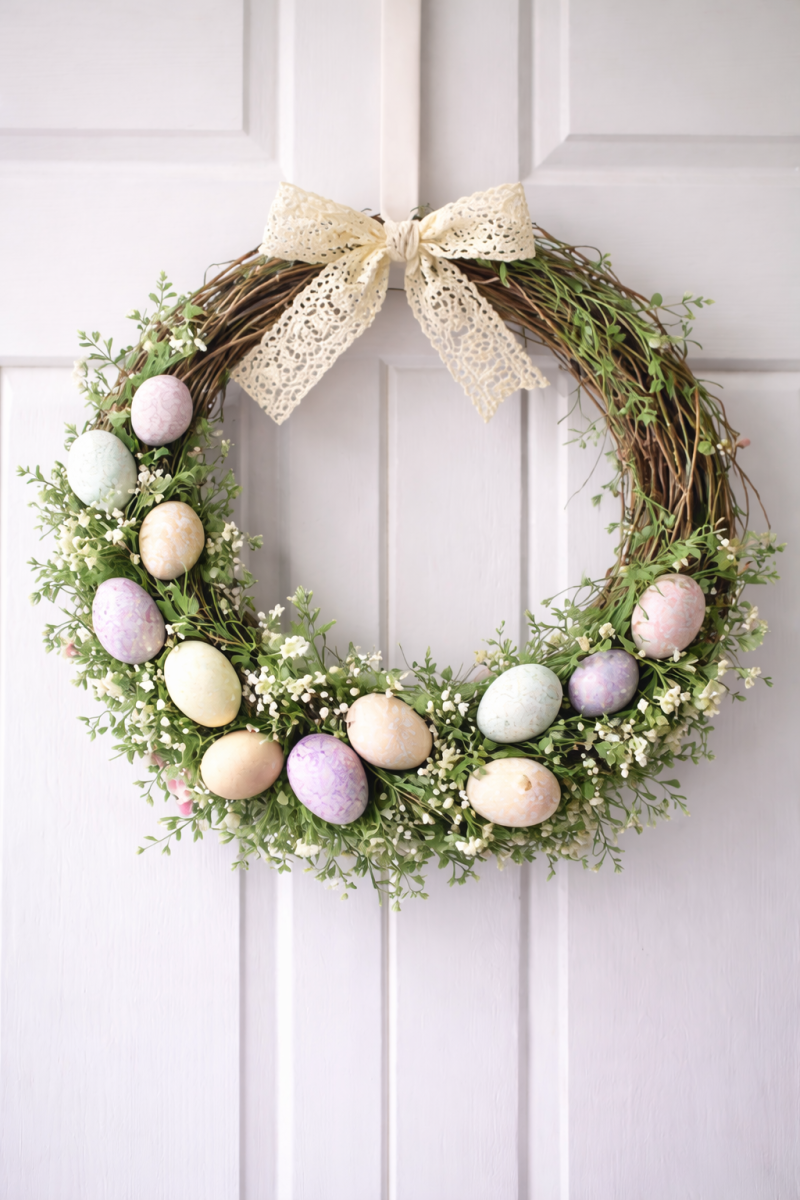
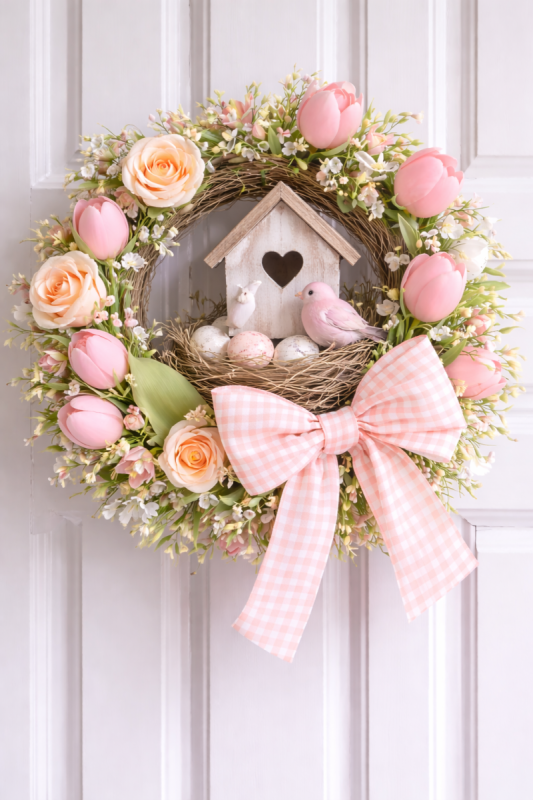
Easter wreaths serve as anchor pieces that tie together your entire seasonal decorating scheme. When your front door features spring colors and motifs, extending those themes inside becomes natural and cohesive. Tablescapes, mantel displays, and other stunning Easter crafts gain unity when they echo the wreath's palette and style.
Curb appeal receives an immediate boost from a thoughtfully designed wreath. Neighbors and passersby notice homes that celebrate the seasons with distinctive decorations. Your wreath showcases attention to detail and communicates that you care about creating a beautiful living environment.
Beyond aesthetics, holiday wreath crafts create lasting family traditions. Children remember helping gather materials, selecting ribbons, or arranging decorative elements. These shared creative experiences become cherished memories that define how your family celebrates Easter together year after year.
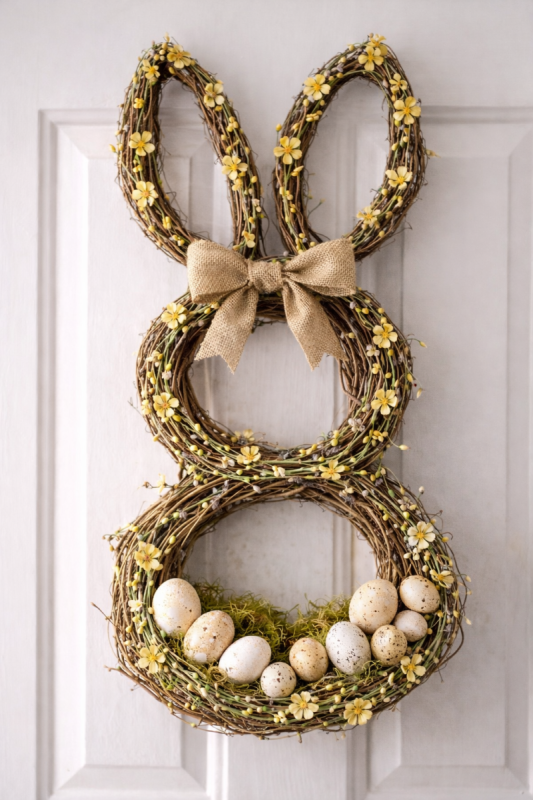
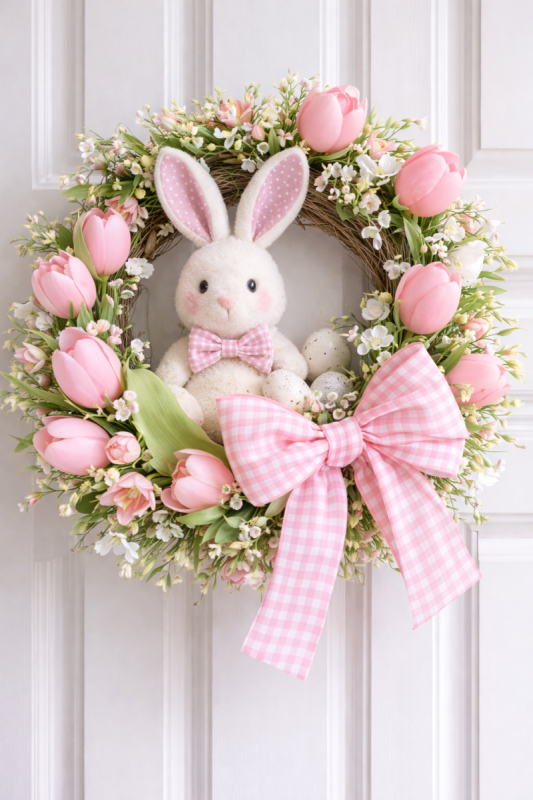
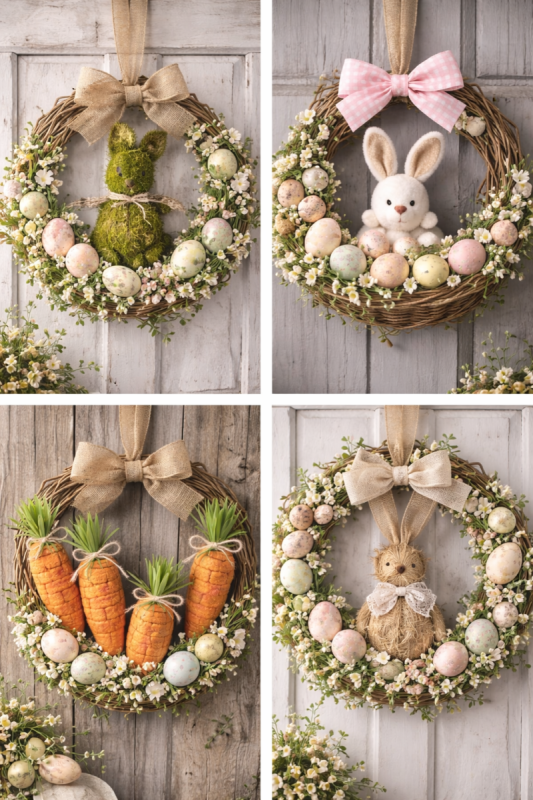
The symbolism embedded in Easter wreaths resonates deeply with spring's themes of rebirth and new beginnings. Circular wreath forms represent continuity and the eternal cycle of seasons. Eggs symbolize new life, while fresh flowers and greenery embody nature's awakening after winter dormancy.
Making your own DIY Easter wreaths allows for complete creative expression without limitations. You choose every element—from the base material to the final embellishments. This freedom means your wreath can range from elegantly subtle to boldly whimsical, perfectly matching your home's architecture and your personal aesthetic preferences.
Easter wreath crafting also provides therapeutic benefits through mindful, focused handwork. The process of arranging materials, problem-solving design challenges, and seeing your vision come to life reduces stress and provides a satisfying break from digital screens and daily pressures.
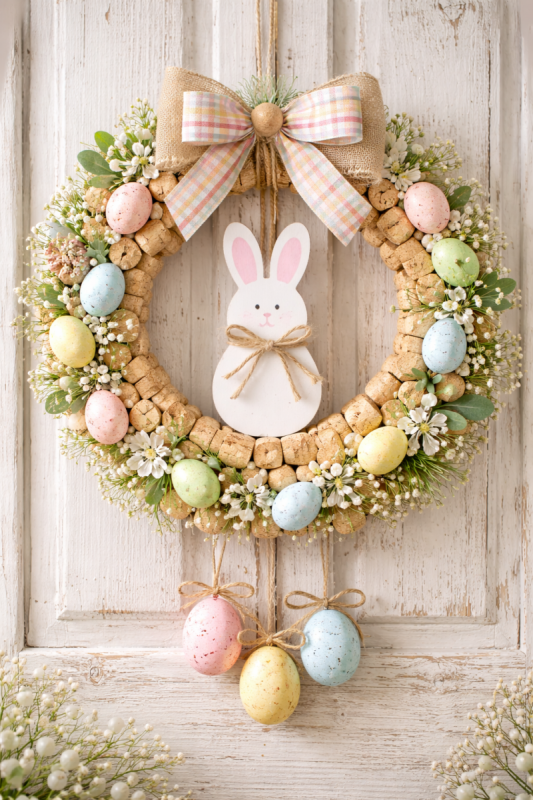
Perfect Easter Wreath Ideas to Brighten Your Door
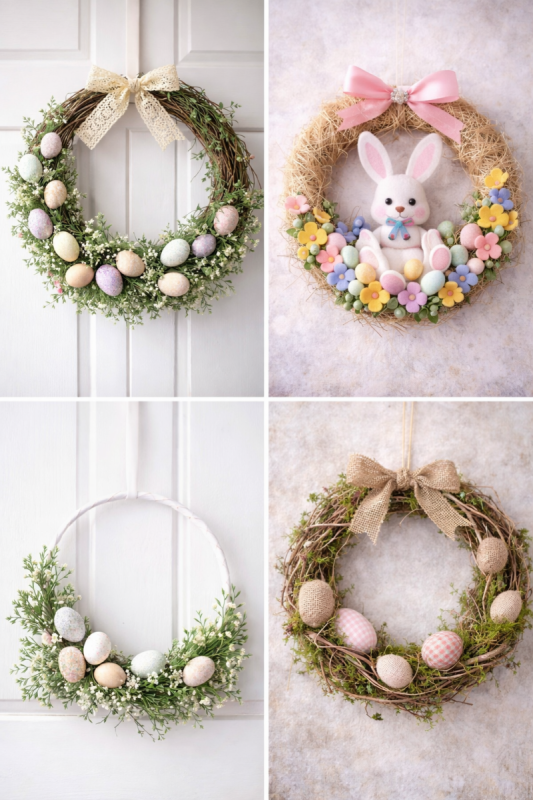
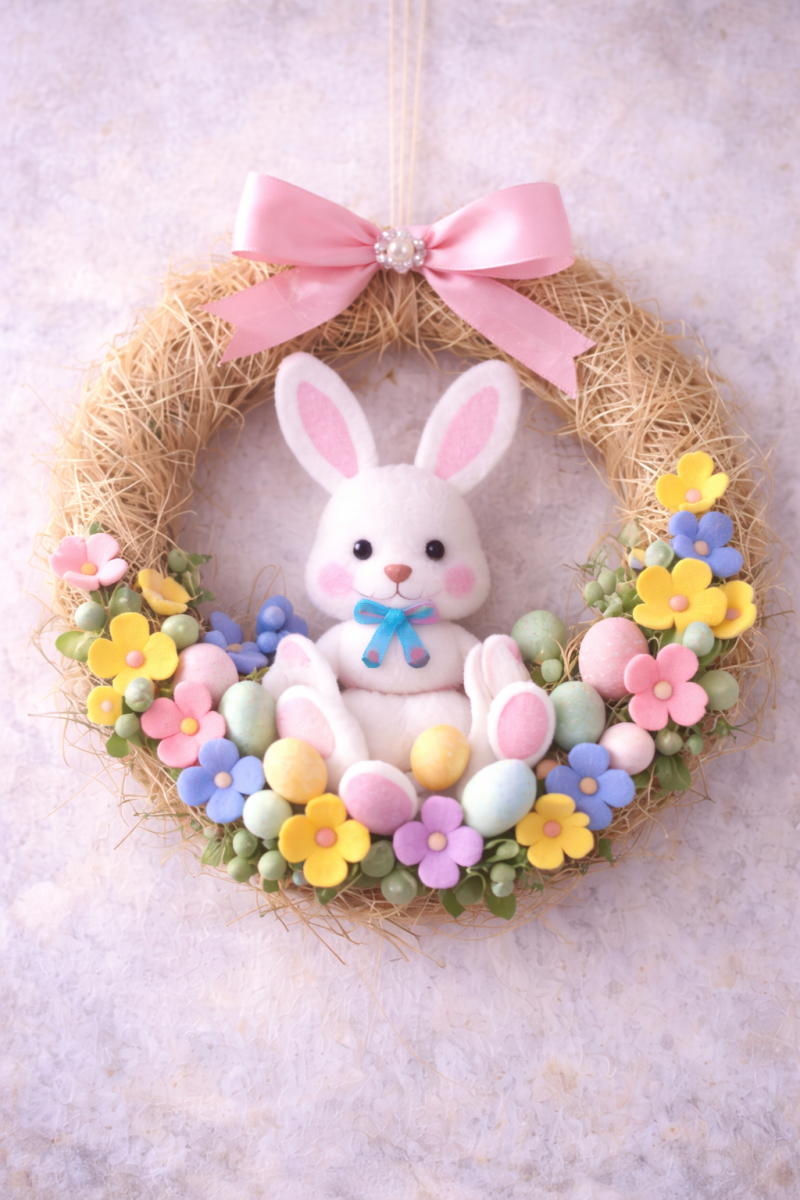
Your front door deserves a festive welcome, and these Easter wreath ideas deliver both charm and personality. Whether you prefer the elegance of fresh flowers, the warmth of farmhouse style, the whimsy of bunny motifs, or the classic appeal of decorated eggs, there's a perfect design waiting for you. Each style brings its own character to your home's entrance, creating that special first impression that tells guests the season of renewal has arrived.
The beauty of Easter wreaths lies in their versatility and personal expression. You can match your existing decor, try something completely new, or blend multiple styles for a unique look. Let's explore four distinctive approaches that will transform your entryway into a celebration of spring.
Fresh Floral Easter Wreaths
Nothing captures the essence of spring quite like floral Easter wreaths bursting with vibrant blooms. These designs bring the garden directly to your door, filling your entryway with color, texture, and natural beauty. Fresh flowers create an immediate impact that artificial alternatives struggle to match, though high-quality silk flowers offer a lasting alternative.
Tulips stand as the quintessential spring flower, available in nearly every color imaginable. Their simple, elegant shape works beautifully in wreath arrangements, especially when clustered in groups of three or five. Daffodils add cheerful yellow tones that instantly brighten any design, while their trumpet shape creates dimensional interest.
Hyacinths contribute both visual appeal and heavenly fragrance to floral Easter wreaths. Their dense flower spikes provide excellent texture contrast against softer blooms. Ranunculus flowers, with their delicate, paper-thin petals forming rose-like blooms, add sophistication and romance to any arrangement.
Spring Blooms and Greenery Combinations
Creating stunning spring bloom combinations requires understanding how flowers and foliage work together. Greenery provides the foundation that makes flowers shine, adding depth and visual rest between colorful focal points. Eucalyptus offers silvery-green tones and a pleasant aroma that complements most spring flowers perfectly.
Lamb's ear brings soft, velvety texture that creates tactile interest and visual softness. Its pale green color works as a neutral backdrop for pastels or bold hues alike. Fresh herbs like rosemary, lavender, or thyme add unexpected elements while providing wonderful fragrance and a cottage garden feel.
For color palette success, start with one or two dominant pastel shades as your base. Add deeper accent colors in smaller quantities to create visual interest and prevent the design from appearing washed out. Mixing soft pink tulips with deeper burgundy ranunculus, for example, creates depth while maintaining spring's gentle aesthetic.
Texture mixing elevates professional-looking arrangements significantly. Combine large, showy blooms with smaller filler flowers and varied foliage types. This layering technique creates dimension that draws the eye throughout the wreath rather than focusing on just one element.
Rustic Farmhouse Easter Wreaths
The farmhouse aesthetic continues dominating home decor trends, and rustic Easter decor brings that same beloved warmth to spring celebrations. These designs embrace natural, organic materials that feel authentic and unpretentious. The beauty lies in imperfection—weathered wood, loosely tied bows, and elements that look gathered from nature itself.
Farmhouse Easter wreaths typically start with grapevine bases that provide rustic texture immediately. These natural foundations create the perfect backdrop for layering additional elements. Twig nests tucked into the wreath add dimensional interest while nodding to spring's renewal theme.
The farmhouse color palette revolves around neutrals—creamy whites, soft grays, natural jute tones, and weathered wood finishes. These understated hues create a calm, cohesive look that doesn't compete with your home's architecture. You can incorporate subtle Easter colors through small accents like pale blue eggs or soft pink flowers without overwhelming the rustic feel.
Cotton stems have become signature elements in rustic Easter decor, their fluffy white bolls adding softness and texture. Dried flowers like lavender, baby's breath, or wheat stalks contribute to the natural, gathered-from-the-garden aesthetic that defines farmhouse style.
Natural Elements and Burlap Accents
Burlap serves as the cornerstone material for farmhouse Easter wreaths, its rough texture and neutral tone perfectly embodying rustic charm. Creating beautiful burlap bows requires practice, but the technique becomes easier with repetition. Start with generous ribbon length—you'll need more than you think for full, professional-looking bows.
Layering different textures with burlap creates visual richness. Try combining burlap ribbon with lace, gingham, or cream-colored cotton ribbon for dimensional bows. You can also create burlap rosettes by gathering and pleating the fabric, securing it with hot glue to form flower-like accents.
Vintage-inspired elements enhance the farmhouse aesthetic beautifully. Small galvanized metal buckets, distressed wooden signs with Easter greetings, or miniature enamelware pieces add authentic charm. Weathered finishes on any wooden elements contribute to that collected-over-time look that makes farmhouse decor so appealing.
Natural wood slices, small branches, moss, and jute twine all work as supporting elements. These materials cost little but add significant character. The key to successful farmhouse design involves restraint—use enough elements to create interest without making the wreath feel cluttered or overdone.
DIY Easter Wreath Crafting Tips and Techniques
Building your own Easter wreath requires knowledge of key techniques that transform simple supplies into stunning seasonal decorations. Whether you're a first-time crafter or an experienced decorator, understanding the proper methods makes the difference between a wreath that looks homemade and one that appears professionally designed. These practical techniques will guide you through every step of the creation process.
The right approach combines thoughtful material selection with proven construction methods. You'll learn how to work efficiently while achieving beautiful results that last throughout the season.
Choosing the Right Foundation and Gathering Your Supplies
The foundation of your project determines how easy the wreath will be to decorate and how well it holds up over time. Grapevine bases offer natural texture and rustic charm, making them perfect for farmhouse-style designs. These sturdy foundations allow you to tuck materials directly into the twisted vines without much additional securing.
Foam bases work wonderfully for arrangements featuring artificial flowers and lightweight decorations. They provide a smooth surface for attaching materials with pins or wire picks. Wire frame bases give you the most flexibility for creating custom shapes and sizes.
Straw bases bring organic appeal and work beautifully when wrapped with ribbon or fabric. Twig bases deliver woodland charm similar to grapevine but with a more delicate appearance.
Size matters when selecting your foundation. Standard door wreaths typically measure between 18 and 24 inches in diameter. Smaller 12 to 16-inch wreaths suit interior walls or narrow spaces. Consider where you'll display your creation before purchasing your base.
Essential supplies include floral wire in various gauges, with 22-gauge being most versatile for general use. A quality hot glue gun with plenty of glue sticks becomes your best friend during assembly. Wire cutters make clean cuts through stems and wire.
Stock up on floral picks in different lengths for inserting decorations at various depths. Ribbon in coordinating colors adds finishing touches. Pipe cleaners or chenille stems work great for quick attachments.
Shop smart by comparing prices at craft stores, dollar stores, and online suppliers. Many crafters find excellent deals on seasonal items at discount retailers. Building a basic toolkit allows you to create multiple projects throughout the year.
Organize your supplies before starting to keep your workspace efficient. Sketch a rough design plan to visualize placement. This preparation prevents frustration and saves valuable crafting time.
Building Depth Through Strategic Material Placement
Professional-looking wreaths feature multiple layers that create visual interest from every angle. Start with background elements like greenery, mesh, or ribbon as your first layer. These foundational pieces establish the overall shape and color palette.
Work from back to front when adding decorations, placing larger items first and filling in with smaller accents. This approach creates natural depth rather than a flat appearance. Vary the heights of your elements by bringing some decorations forward while keeping others recessed.
Use floral picks of different lengths to achieve varied placement depths. Longer picks push items deeper into the base, while shorter picks bring elements forward. Strategic hot glue placement also controls how far decorations project from the foundation.
The rule of three guides pleasing compositions in design. Group similar elements in odd numbers—three eggs here, five flowers there. This creates visual harmony that feels natural to the eye.
Texture layering adds richness to your overall design. Combine smooth satin ribbons with fuzzy florals and rough natural elements like twigs or burlap. These contrasting textures make your wreath more interesting to look at.
Create movement and flow through thoughtful placement. Position decorations so the eye travels naturally around the circle rather than getting stuck in one spot. Arrange focal points at the bottom center or sides rather than the top, where door hangers typically sit.
Step back frequently while working to view your creation from a distance. This helps you spot bare patches or overcrowded areas before completing the project. Adjust placement until you achieve balanced coverage.
Ensuring Lasting Beauty with Proper Attachment Methods
Secure attachment prevents decorations from falling off when your wreath faces wind, rain, or daily wear. Hot glue works best for lightweight items like artificial flowers, foam eggs, and ribbon. Apply glue to both surfaces for maximum hold.
Floral wire provides superior strength for heavier decorations. Wrap wire around both the item and the base, twisting tightly to secure. This method works especially well for natural materials and substantial ornaments.
Floral pins offer quick attachment for fabrics and ribbon. Push pins through the material and deep into foam or straw bases. For grapevine bases, tuck wire stems directly into the twisted vines.
Reinforce heavy elements like large bows or decorative signs by using multiple attachment points. Combine hot glue with wire for extra security. Test each decoration by gently tugging before considering it secure.
Weatherproofing extends the life of outdoor displays significantly. Select weather-resistant materials whenever possible, including UV-resistant ribbon that won't fade in sunlight. Artificial flowers designed for outdoor use withstand moisture better than indoor varieties.
Apply clear acrylic sealer spray to delicate paper decorations or natural materials prone to water damage. Hold the spray 12 inches away and use light, even coats. Allow complete drying between applications.
Protect your wreath from extreme weather by positioning it under covered entryways when possible. Bring wreaths inside during severe storms or high winds. A little extra care preserves your hard work throughout the season.
Address common challenges proactively. Wind damage occurs less often when decorations attach securely at multiple points. Rain exposure affects natural materials most, so consider substituting artificial alternatives for outdoor use. Sun fading happens gradually but choosing colorfast materials prevents disappointing discoloration.
Maintain your wreath's appearance by gently dusting it weekly with a soft brush or cloth. Reshape flattened ribbon with your hands or a quick blast from a hair dryer on low heat. Refresh tired-looking arrangements by adding new accent pieces mid-season.
Store quality wreaths properly for future use by placing them in large boxes or wreath storage containers. Wrap delicate elements in tissue paper to prevent crushing. Keep stored wreaths in cool, dry locations away from direct sunlight and moisture.