Cork Stopper Animals Made from a Saved Handful

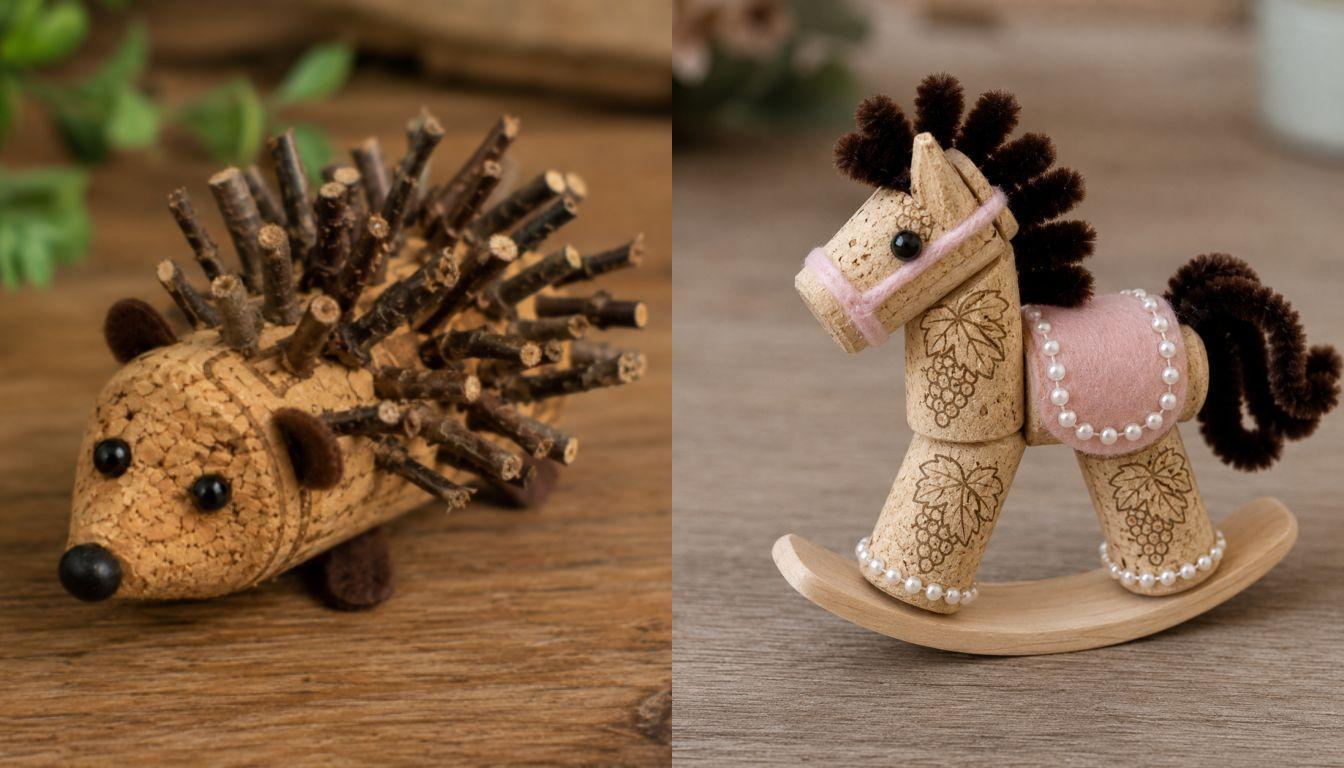
There is something wonderfully humble about a cork stopper. It usually begins its life sealing a bottle, then quietly ends up in a drawer, a jar, a kitchen bowl, or a forgotten craft box. But with a little imagination, that small piece of cork can become a fox, a sheep, a tiny owl, a giraffe, a dog, a fish, or even a whole miniature farm.
Animals made with cork stoppers are one of those craft ideas that feel simple at first glance, but quickly become addictive. Cork is light, easy to cut, naturally textured, and warm in colour. It already looks organic, almost like bark, which makes it perfect for creating rustic animal crafts, woodland decorations, children’s projects, Christmas ornaments, table centrepieces, and handmade gifts.
Whether you want easy wine cork animals for kids, elegant handmade ornaments, or charming recycled decorations for the home, this guide brings together ideas, techniques, materials, and inspiration to help you turn corks into delightful little creatures.
Basic Materials for Making Cork Animals
Before choosing your animal, gather a few simple supplies. You can keep the craft very basic or add more detail depending on the final style you want.
Essential materials
- Cork stoppers
- Craft glue or hot glue
- Acrylic paint
- Small paintbrushes
- Scissors
- Felt scraps
- Twine or yarn
- Toothpicks or wooden skewers
- Googly eyes or small black beads
- Buttons
- Pipe cleaners
- Cardboard or craft foam
Optional decorative details
- Mini pom-poms
- Feathers
- Fabric scraps
- Wire
- Sequins
- Small shells
- Natural twigs
- Wooden beads
- Ribbon
- Black marker pen
For a more natural style, avoid too much paint and let the cork show. For a playful children’s craft, use bright colours, big eyes, and exaggerated shapes.
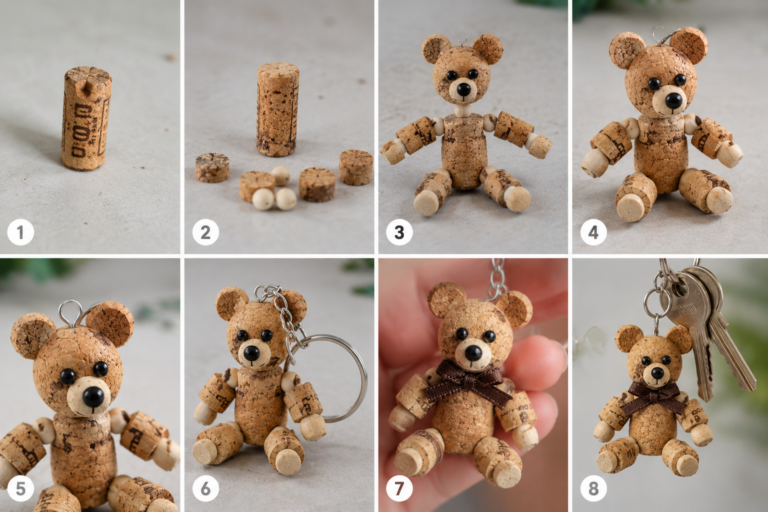
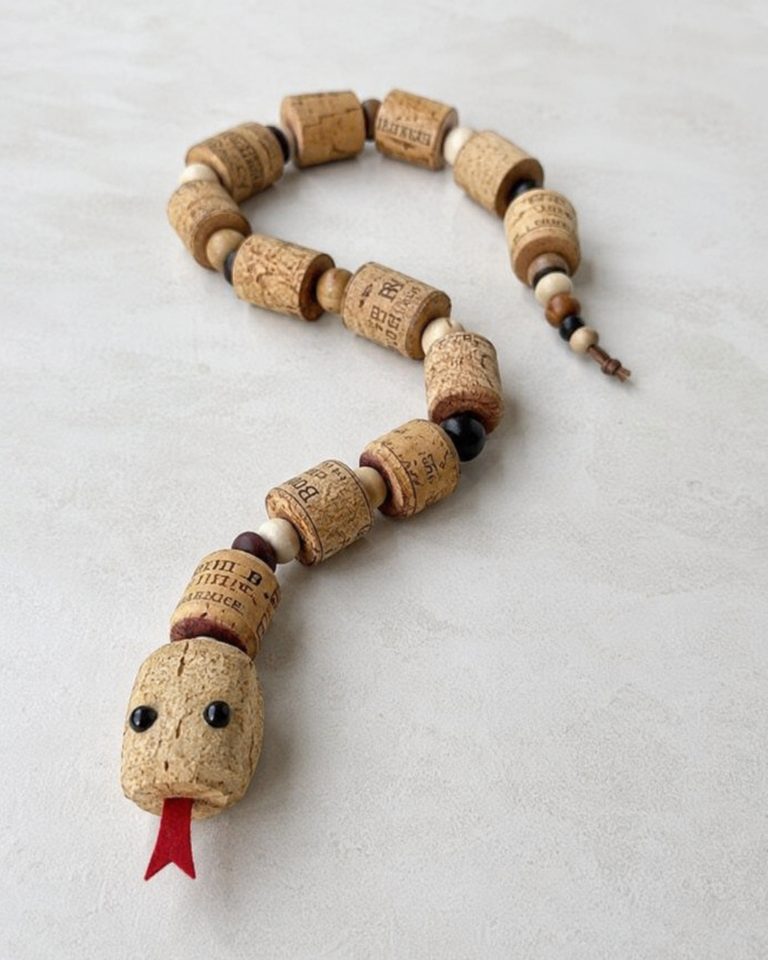
How to Prepare Cork Stoppers Before Crafting
Old corks can be dusty, stained, or uneven. That is part of their charm, but a little preparation helps.
First, clean the corks with a dry cloth. If they are very dirty, wipe them gently with a damp cloth and let them dry completely. Do not soak them for too long, as cork can absorb moisture.
If you need to cut cork, use a sharp craft knife and work slowly. For children’s projects, an adult should do this part.
Useful preparation tips
- Choose corks with interesting textures for rustic animals.
- Use smoother corks for painted animals.
- Cut cork slices to make ears, feet, spots, wings, or scales.
- Sand rough edges if needed.
- Test the layout before gluing everything permanently.
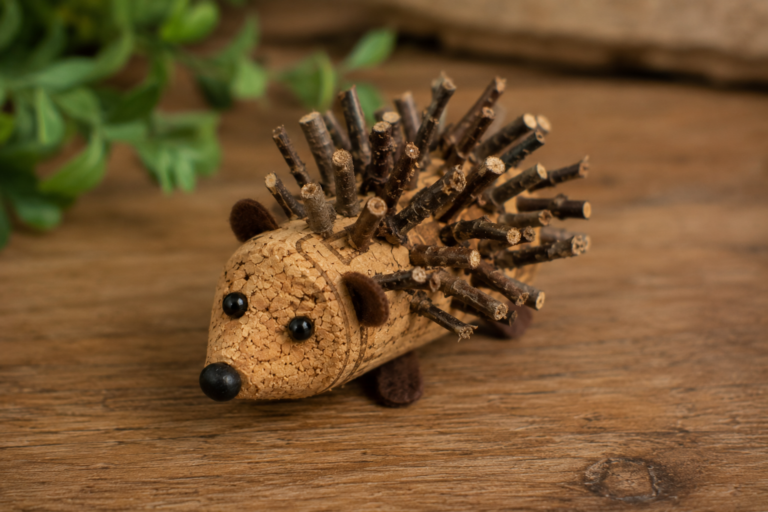
A small detail makes a big difference. A slanted cut can become a bird’s chest. A thin cork slice can become a turtle shell pattern. A half cork can become a hedgehog body.
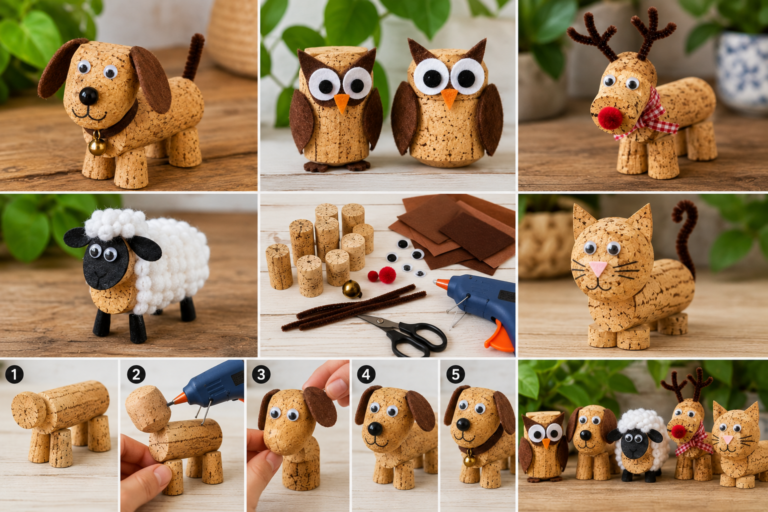
1. Cork Stopper Dogs
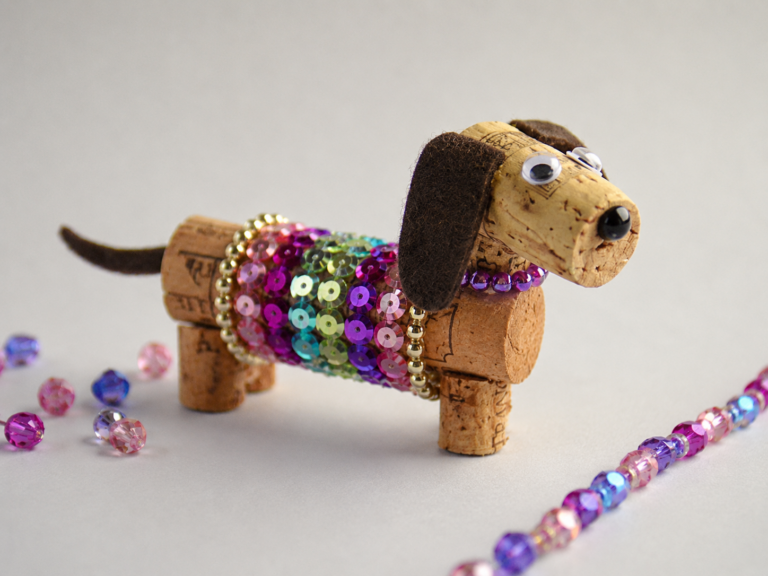
A dog made with cork stoppers is one of the easiest and most charming projects. Use one cork for the body and another smaller piece for the head.
How to make it
Use toothpicks or small twigs for legs. Add felt ears, a small bead for the nose, and a curled pipe cleaner for the tail. Paint spots if you want a Dalmatian look, or leave the cork natural for a rustic dog.
Style ideas
- Brown felt ears for a beagle
- White paint and black spots for a Dalmatian
- Yarn collar with a tiny button tag
- Small cork slice as a snout
- Black bead eyes for a cleaner finish
This is a great craft for children because dogs are easy to recognise and fun to personalise.
2. Cork Cats with Whiskers
Cats work beautifully with cork because their shape can be kept very simple. One vertical cork can become the body, while a cork slice or wooden bead can become the head.
Add triangle felt ears, thread whiskers, and a curved tail made from pipe cleaner or wire wrapped in yarn.
Best colours for cork cats
- black and white;
- orange tabby;
- grey;
- cream;
- brown natural cork.
For a cute detail, draw tiny paws at the bottom of the cork with a fine black marker. If you want a Halloween version, make a black cork cat with green eyes and a tiny felt moon.
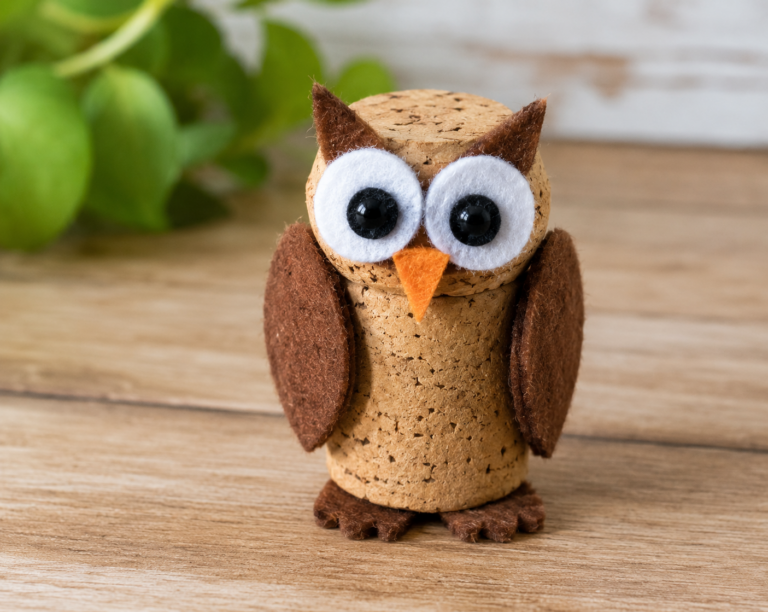
3. Cork Owls
Owls are perfect for wine cork crafts because the cork shape already resembles a little owl body. You only need to add eyes, wings, and a beak.
Simple owl method
Glue two large round eyes near the top of the cork. Add a small triangle of orange felt for the beak. Cut two wing shapes from patterned paper, felt, or thin cork slices.
For a more detailed owl, paint feather patterns with small curved strokes. Use browns, creams, golds, and soft greys for a woodland look.
Cork owls are especially beautiful as autumn decorations, classroom crafts, or handmade Christmas tree ornaments.
You can attach a loop of twine at the top and hang them from branches, garlands, or gift packages.
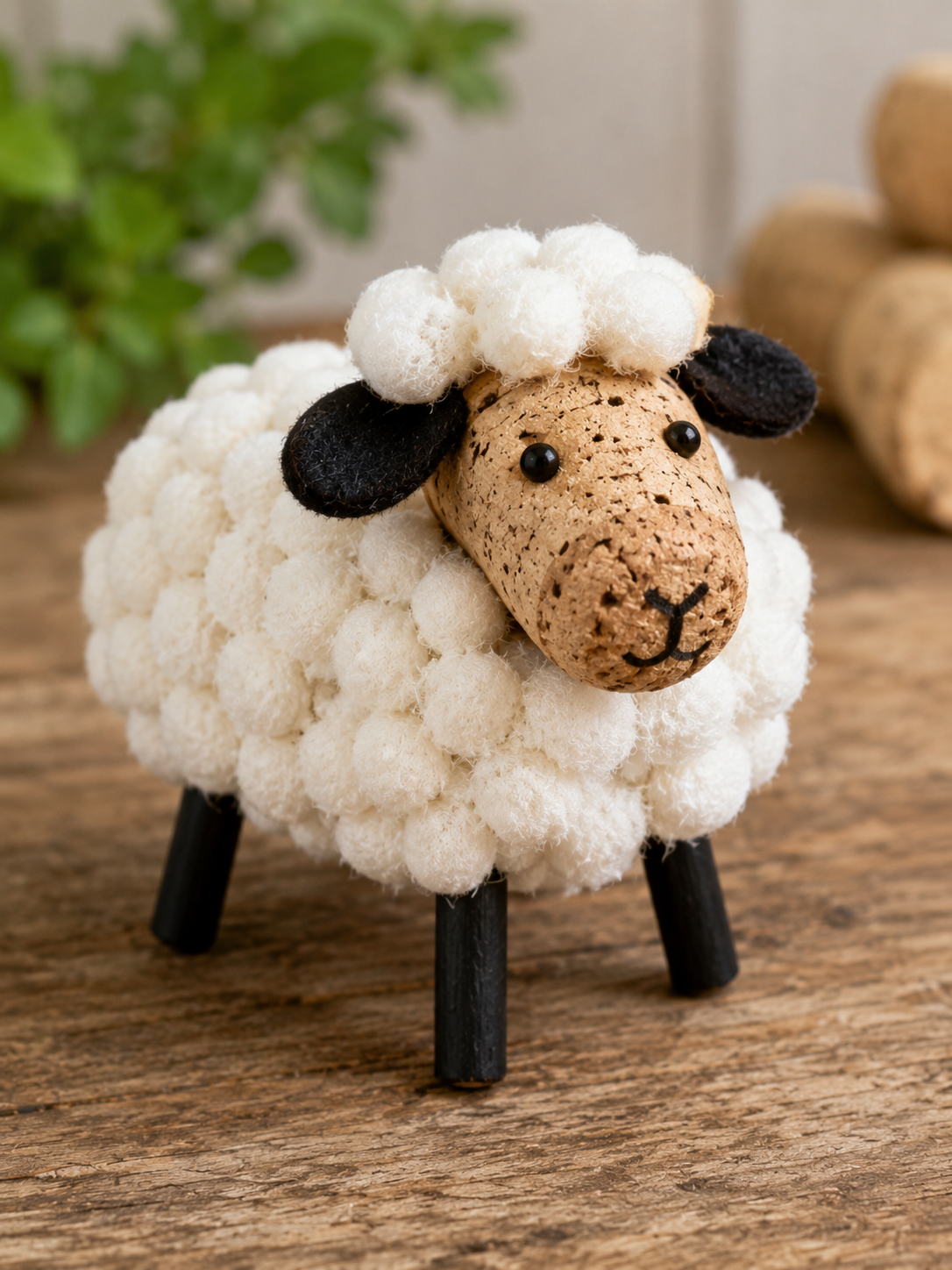
4. Cork Sheep
A cork sheep has a wonderful rustic softness, especially when paired with wool. Use one cork as the body, four toothpicks as legs, and a small black bead or painted cork piece as the head.
Wrap the body with white yarn or glue on tiny cotton balls to create a fluffy effect.
Creative variations
- Use natural wool for a farmhouse look.
- Add black felt ears.
- Make a flock of mini sheep with different sizes.
- Place them on a small wooden base.
- Add a tiny fence made from sticks.
These cork sheep crafts are ideal for Easter decorations, nativity scenes, farm-themed projects, or nursery decor.
5. Cork Reindeer
Reindeer are among the most popular Christmas cork animals. A cork’s natural brown colour already fits the theme, so very little painting is needed.
Use one cork for the body and a smaller cork piece for the head. Add twig antlers, bead eyes, and a small red pom-pom nose for a festive version.
Display ideas
- Hang them on the Christmas tree.
- Use them as place-card holders.
- Add them to wreaths.
- Make a mini sleigh scene.
- Tie them to wrapped gifts.
For a more elegant version, skip the red nose and use natural twine, tiny bells, and raw wood details.
Cork Farm Animals
With cork stoppers, you can create an entire farm scene. This is a great project for children because each animal uses similar basic shapes.
Animals to include
- cow;
- pig;
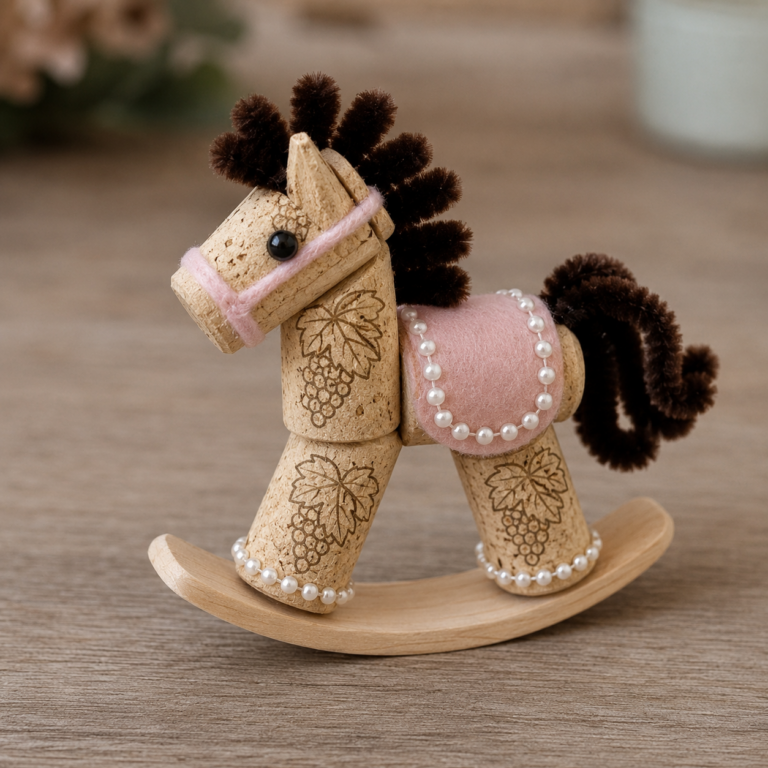
- horse;
- chicken;
- sheep;
- goat;
- duck;
- donkey.
A cork cow can be painted white with black spots. A pig can be made with pink paint, felt ears, and a button nose. A chicken can have paper wings, a red felt comb, and yellow feet.
Set the finished animals on a cardboard base covered with green paper, straw, or felt.
How to Make Cork Animals Look More Professional
A handmade cork animal can be charming even when simple, but a few small decisions can make it look more polished.
Use a limited colour palette
Too many colours can make the animal look messy. Choose two or three main colours and repeat them.
Combine natural materials
Cork looks beautiful with twigs, jute, wool, linen, felt, wood, and paper.
Add tiny details carefully
Small eyes, whiskers, collars, spots, and ears bring personality. But avoid overcrowding the design.
Create a stable base
If the animal does not stand well, glue it to a small wooden disc, cork slice, stone, or cardboard platform.
Work in groups
One cork animal is cute. A family of cork animals is much more eye-catching. Try making three owls, a flock of sheep, or a whole woodland scene.
Conclusion: Small Corks, Big Imagination
Animals made with cork stoppers are simple, sustainable, and full of personality. They prove that creativity does not require expensive supplies. Sometimes, the best material is already sitting in a drawer, waiting to be noticed.
From owls and dogs to sheep, birds, fish, reindeer, turtles, and giraffes, cork can become almost any creature. Its natural texture gives each animal warmth, while paint, fabric, twigs, yarn, and felt bring the details to life.
These little animals are perfect for children’s activities, rustic home decor, seasonal ornaments, classroom projects, and handmade gifts. More than that, they invite us to slow down, reuse what we have, and enjoy the small magic of making something by hand.orations.