Outdoor Bench Placement That Gets a Bench Used


Your yard can become a peaceful retreat right outside your door. Strategic seating placement turns ordinary landscapes into inviting spaces. You'll find yourself wanting to spend more time there.
Adding the right seating does more than provide a place to sit. It creates spots for relaxation, conversation, and quiet moments in nature. With outdoor bench placement tips, seating becomes a focal point. It boosts curb appeal and functionality.
Whether your yard is big or small, smart placement makes a big difference. The right approach combines practicality with creativity. Landscape seating adds character, defines spaces, and encourages outdoor living all year round.

Creative Ideas for Installing Benches Outdoors
Finding the perfect spots for outdoor benches turns ordinary yards into comfortable retreat areas. The right placement creates natural gathering points while enhancing your landscape's overall appeal. This comprehensive garden seating installation guide walks you through proven placement strategies that work for yards of all sizes.
Each location offers unique benefits depending on your lifestyle and space. From quiet reading nooks to social entertaining zones, thoughtful bench placement makes your outdoor areas more functional and inviting.
Garden Path and Walkway Benches
Installing benches along garden pathways creates natural stopping points for visitors to pause and admire your landscaping efforts. These strategic rest areas enhance the walking experience while adding visual interest to longer routes through your property.
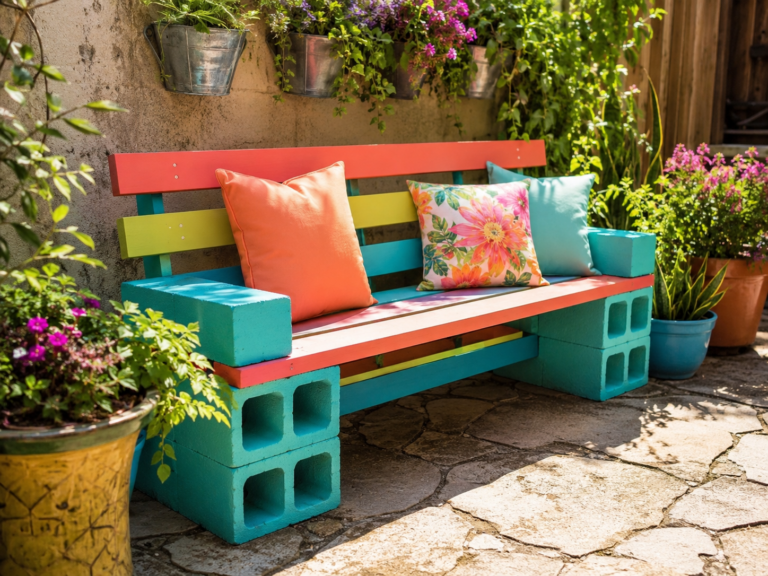
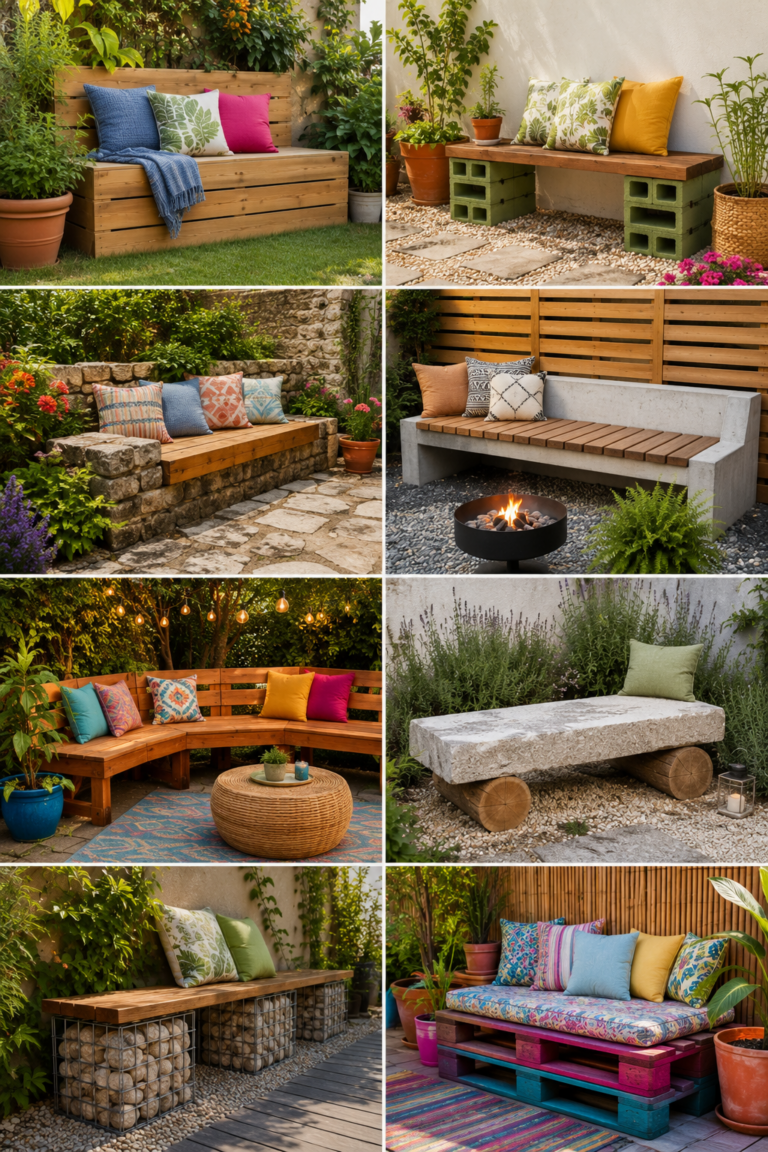
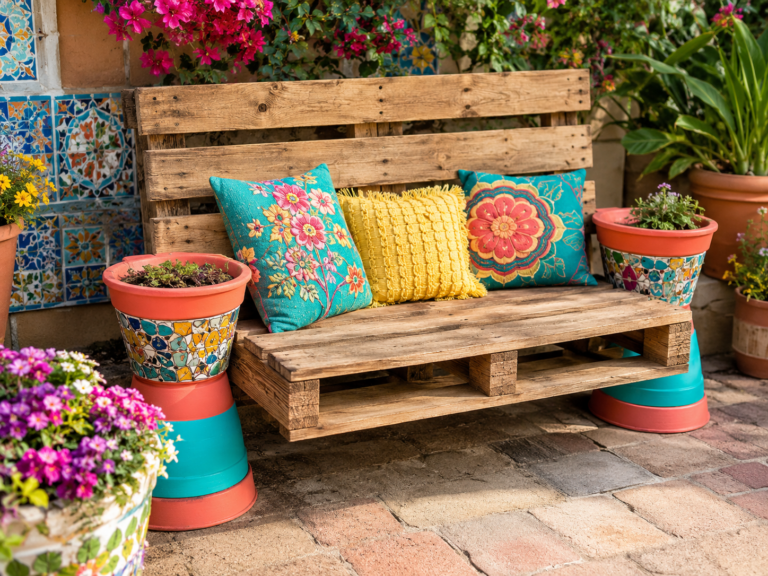
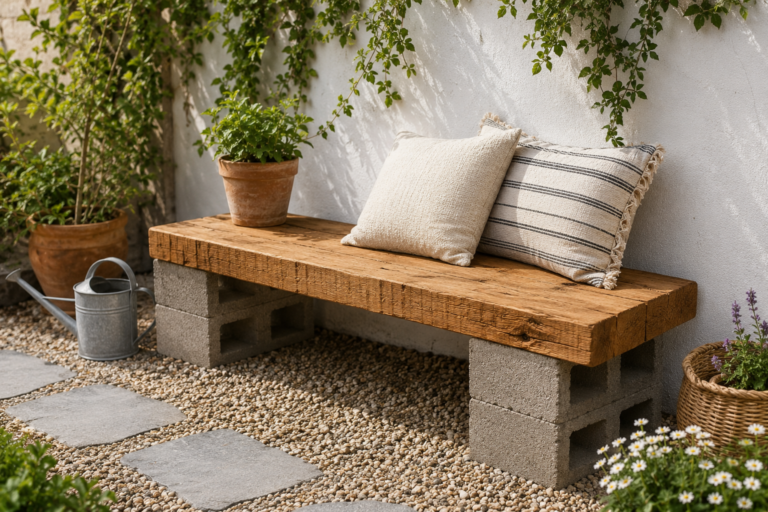
Positioning Along Curved Pathways
Curved garden paths benefit tremendously from well-placed seating at key turning points. Position your bench on the outside of the curve where it becomes a focal point visible from multiple angles. This backyard bench setup idea draws the eye forward and encourages exploration of what lies beyond the bend.
Consider the viewing angle when selecting your spot. The bench should face toward the most attractive section of your garden or offer a pleasant vista back toward the house. Placing a bench where two paths intersect creates a decision point that feels intentional and welcoming.
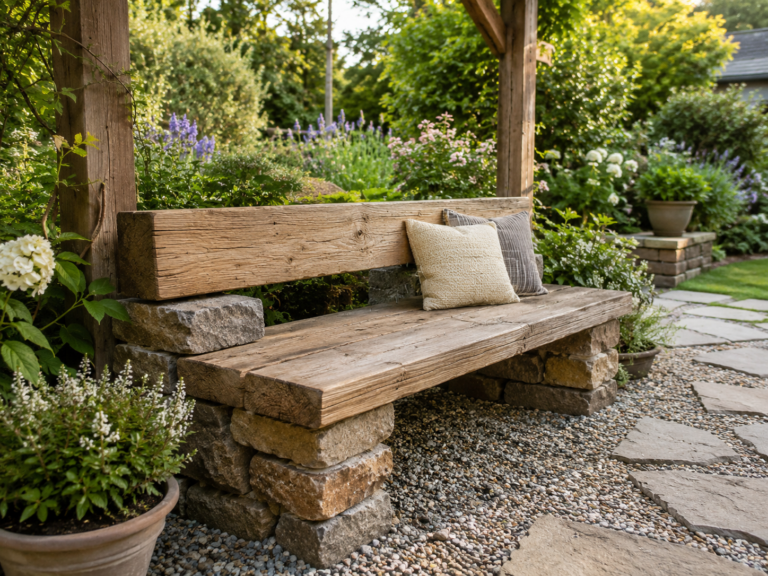
Ground preparation matters significantly for pathway benches. Level the area carefully and add a gravel or paver base to prevent sinking over time. Surrounding the bench with low-growing flowers or decorative stones integrates it naturally into the landscape design.
Creating Rest Stops in Large Gardens
Gardens spanning large areas need multiple seating options to make the entire space accessible and enjoyable. Space benches approximately 100 to 150 feet apart along main walking routes. This interval provides rest opportunities without overcrowding your landscape with too much furniture.
Each rest stop should offer something worth pausing for—a particularly beautiful plant grouping, a bird feeder, or a sundial. These focal points give visitors a reason to sit and linger. Practical yard bench mounting techniques ensure your installations remain stable even in softer garden soil.
Shade becomes crucial for comfort in larger gardens. Position at least half your pathway benches under tree canopies or install pergola structures above them. This consideration extends the usable hours of your garden during warm weather.
Tree-Surrounding Bench Installations
Mature trees provide natural focal points perfect for bench installations. The shade and shelter they offer make these spots ideal for extended outdoor relaxation. Tree benches create intimate spaces that feel protected and peaceful.
Circular Bench Designs Around Large Trees
Full circular benches wrapping completely around tree trunks maximize seating capacity in a compact footprint. These installations work best with trees having trunk diameters of at least 24 inches. Leave a minimum 12-inch gap between the bench and bark to allow for continued tree growth and air circulation.
Construction requires careful planning and precise measurements. Most deck bench installation plans for circular designs use six or eight sections that bolt together around the tree. This segmented approach makes installation manageable and allows for future adjustments as the tree expands.
Material selection impacts both aesthetics and longevity. Cedar and teak naturally resist rot and insects, making them excellent choices for tree benches. Apply a protective finish to maintain the wood's appearance and prevent weathering from rain that drips through the canopy.
Partial Wraparound Bench Options
Partial wraparound benches offer flexibility for smaller trees or budget-conscious projects. A three-quarter circle or half-moon design provides ample seating while using less material. These configurations leave one side open, which can face toward a garden view or create an entrance to the seating area.
This approach works particularly well for trees positioned near property edges or fences. The open side can face inward toward your yard while the bench back provides privacy from neighboring properties. Simple yard bench mounting techniques anchor the structure securely without damaging tree roots.
Consider adding built-in planters or small side tables to the open sections. These additions increase functionality without requiring a full circular installation. The result feels custom-designed while remaining more accessible for DIY installation.
Patio and Deck Integration
Incorporating benches directly into your patio or deck design creates seamless transitions between indoor and outdoor living spaces. These installations provide permanent seating solutions that complement your home's architecture.
Built-In Deck Bench Construction
Built-in deck benches utilize existing deck framing for support, creating clean lines and maximizing usable floor space. Position benches along deck perimeters where they serve double duty as railings and seating. This efficient design approach meets building codes while adding significant functional seating.
Height considerations prove critical for comfort. Standard bench seats measure 16 to 18 inches high, allowing most adults to sit comfortably with feet flat on the deck surface. Back support should rise 30 to 36 inches from the deck, providing good lumbar support without blocking views.
Professional deck bench installation plans incorporate storage beneath hinged seat tops. This hidden space accommodates outdoor cushions, garden tools, or children's toys. The added functionality makes built-in benches especially valuable for smaller outdoor areas where storage space runs limited.
Freestanding Patio Bench Arrangements
Freestanding benches offer flexibility that built-in options cannot match. Move them seasonally to follow shade patterns or rearrange them when hosting gatherings. This adaptability makes them ideal for homeowners who enjoy refreshing their outdoor layouts.
Group freestanding benches to create distinct conversation zones on large patios. Pair two benches facing each other with a small table between them for intimate seating arrangements. This effective patio bench positioning strategy encourages face-to-face interaction during gatherings.
Weight and stability matter for freestanding installations. Choose benches heavy enough to resist tipping but light enough to move when needed. Adding rubber feet protects patio surfaces from scratches while preventing the bench from sliding during use.
Entryway and Front Yard Bench Placement
Front yard benches create welcoming first impressions while providing practical seating near your home's entrance. These installations bridge the gap between public streetscape and private home life. A well-placed bench near your front door invites conversation with neighbors and offers a convenient spot to remove muddy shoes.
Symmetry creates visual appeal in formal front yard designs. Place matching benches on either side of your front walkway or flanking your entry stairs. This balanced approach works particularly well with traditional architectural styles and establishes a sense of order.
Privacy screening becomes important for front yard seating exposed to street traffic. Position benches behind low hedges or decorative fencing that provides visual separation without creating a fortress-like appearance. Strategic patio bench positioning strategies maintain curb appeal while creating usable outdoor space.
Fire Pit and Outdoor Entertaining Areas
Benches surrounding fire features create natural gathering spaces for social evenings and family time. The semicircular or circular arrangement encourages conversation while providing warmth on cool nights. These installations serve as outdoor living rooms that extend your home's entertaining capacity.
Distance from the fire pit affects both comfort and safety. Position benches 6 to 8 feet from the fire's edge—close enough to feel warmth but far enough to avoid excessive heat and flying sparks. This spacing accommodates foot traffic around the fire for adding wood or tending flames.
Permanent versus movable seating presents different advantages around fire pits. Built-in stone or concrete benches create impressive architectural statements and require no seasonal storage. However, movable benches allow you to adjust the seating arrangement based on group size and wind direction. Consider implementing comprehensive deck bench installation plans that include both permanent and flexible seating elements.
Material selection proves crucial for fire pit benches. Stone, concrete, and metal withstand heat exposure better than wood. If using wooden benches, treat them with fire-resistant coatings and inspect regularly for heat damage. The combination of durability and style creates outdoor entertaining areas that remain functional and attractive for years.
Conclusion
Start by choosing the right spot for your outdoor bench. Think about where you like to pause and enjoy the view. Also, consider areas that feel empty without a place to sit.
Place one bench in your yard and see how it changes things. You'll likely spend more time outside, noticing new things. These ideas fit your yard and lifestyle perfectly.
Your outdoor space is full of potential for relaxation and connection. Each bench you add invites you to slow down and enjoy the surroundings. Whether it's a simple spot or a grand design, it adds value.
Creating meaningful changes is easier than you think. Many homeowners turn weekend projects into beautiful garden spaces. Inspiring ideas can lead to amazing transformations.
Your dream outdoor bench setup is waiting for you. Pick a spot that feels right, choose a style that fits your yard, and create a place for memories. A well-placed bench brings joy for years to come, right outside your door.