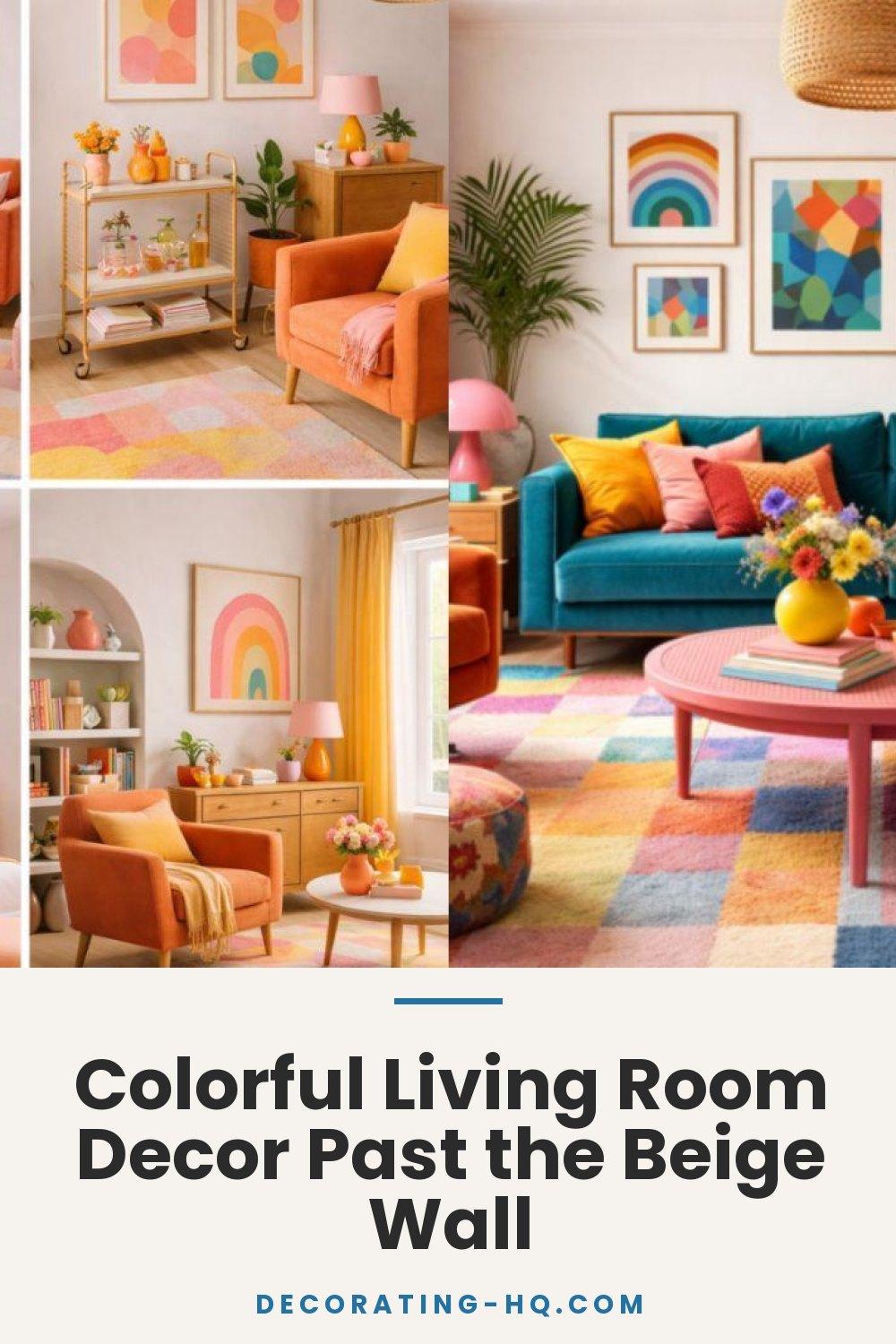
Colorful Living Room Decor Past the Beige Wall


Your space deserves more than beige walls and neutral furniture. Bold hues and creative design choices can transform any area into a welcoming haven that reflects your unique personality. When you add vibrant touches to your home, you're not just changing how it looks—you're shifting the entire atmosphere.
The beauty of incorporating bright home decor is that it works for everyone. Whether you prefer subtle pops of color or want to embrace a full rainbow expression, there's a style that matches your vision. Colorful living room decor uplifts your mood and creates an inviting environment where family and friends naturally gather.
You don't need to be a professional designer to succeed with this approach. The right strategies make it simple to curate a space that feels both energetic and comfortable. Explore these living room design ideas to discover how functional and beautiful spaces come together, and get ready to bring fresh energy into the heart of your home.

Choosing Bold Living Room Colors and Perfect Palettes
When it comes to infusing your space with personality, knowing how to select and combine colors makes all the difference. The thought of working with bold living room colors might feel overwhelming at first. But with a clear strategy and some proven techniques, you'll discover that creating a vibrant color scheme becomes an exciting adventure rather than a stressful challenge.
The foundation of any successful colorful living room starts with understanding how different hues interact with each other. Your color choices will set the mood for the entire space. They'll influence how you and your guests feel when spending time in the room.
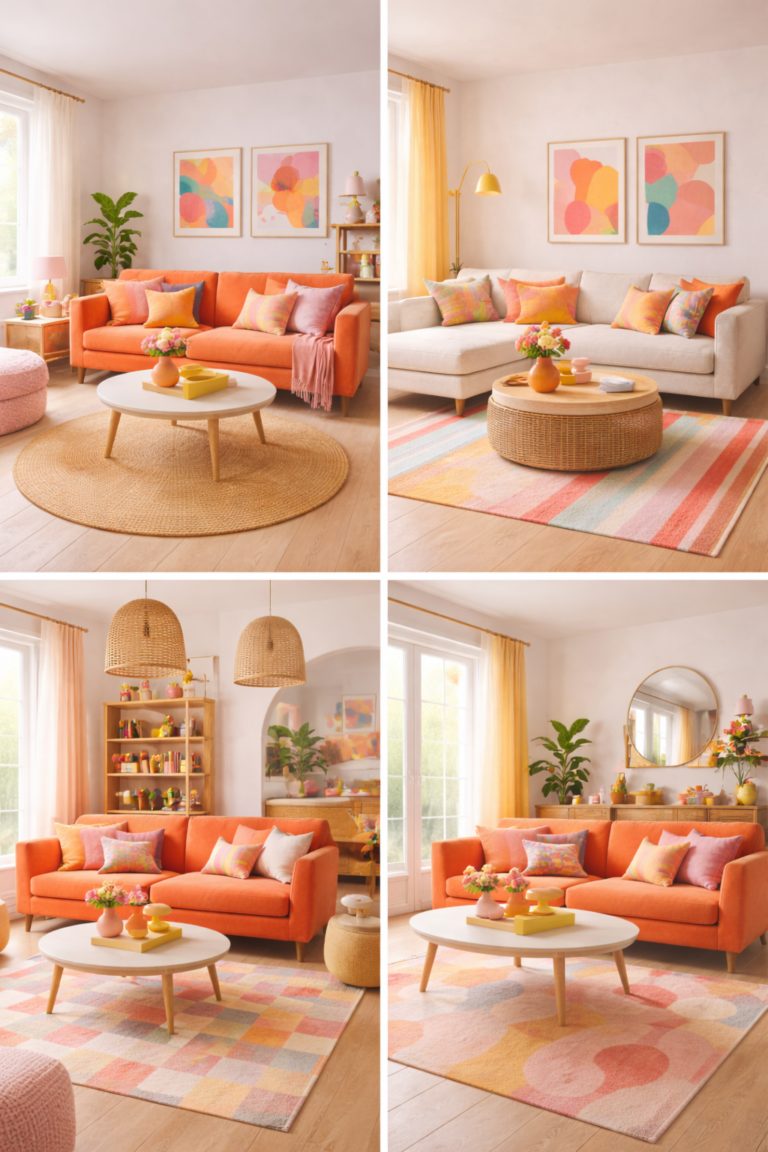
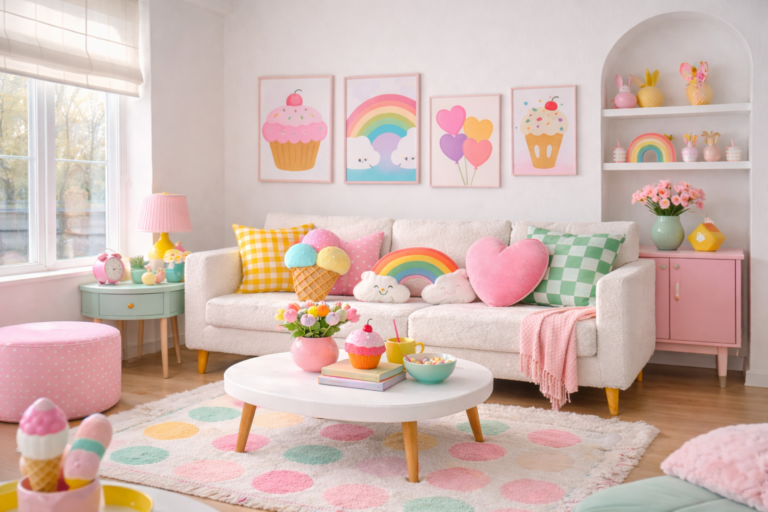
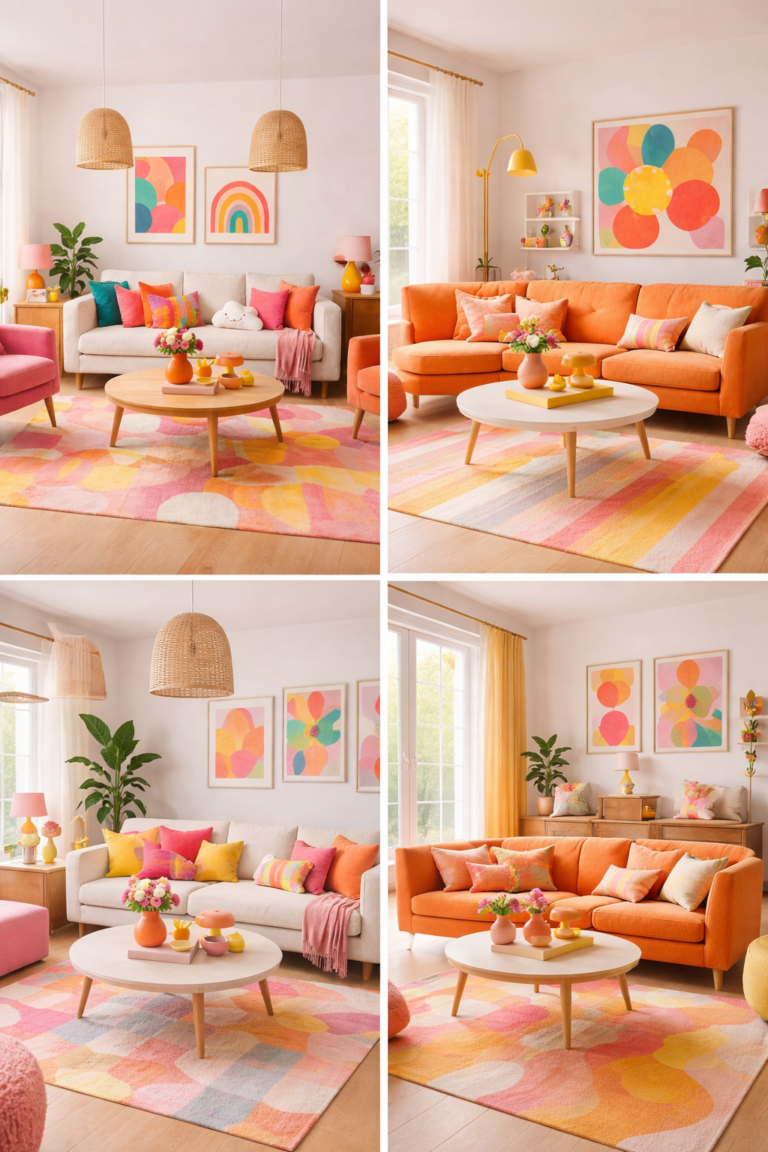
Creating Impact with Your Feature Wall
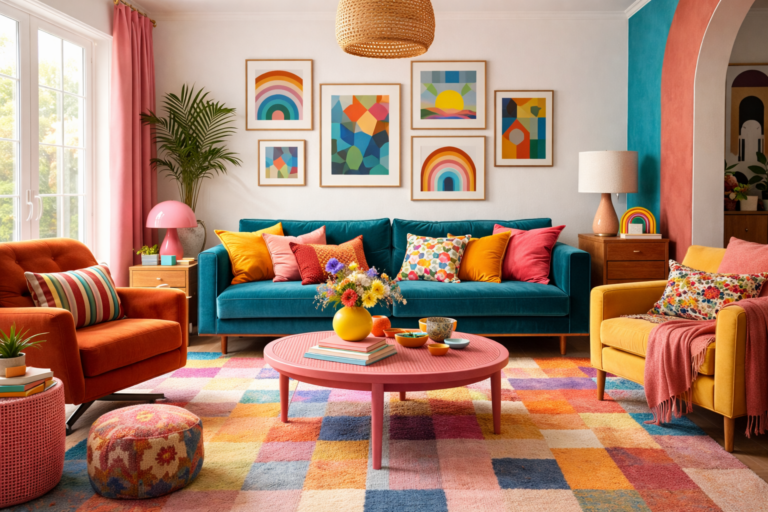
Selecting a hero wall serves as your room's anchor point and sets the tone for everything else. A statement wall color gives you the freedom to experiment with daring shades without overwhelming the entire space. This approach works beautifully whether you're painting one wall in a rich emerald green or installing vibrant geometric wallpaper.
The key to success lies in choosing colors that complement your existing furniture and architectural features. Consider the natural light in your room throughout the day. North-facing rooms benefit from warm tones like coral or golden yellow, while south-facing spaces can handle cooler hues like navy or teal.
Color blocking techniques offer another exciting option for statement walls. Try dividing your wall into horizontal or vertical sections using two or three complementary colors. This method creates visual interest and adds a modern, artistic touch to your living room.
Jewel tones paired with neutral backgrounds create sophisticated combinations that feel both luxurious and inviting. Think sapphire blue against soft gray, or amethyst purple with warm beige. These pairings allow your bold living room colors to shine without competing with other elements in the room.
Blending Multiple Hues Successfully
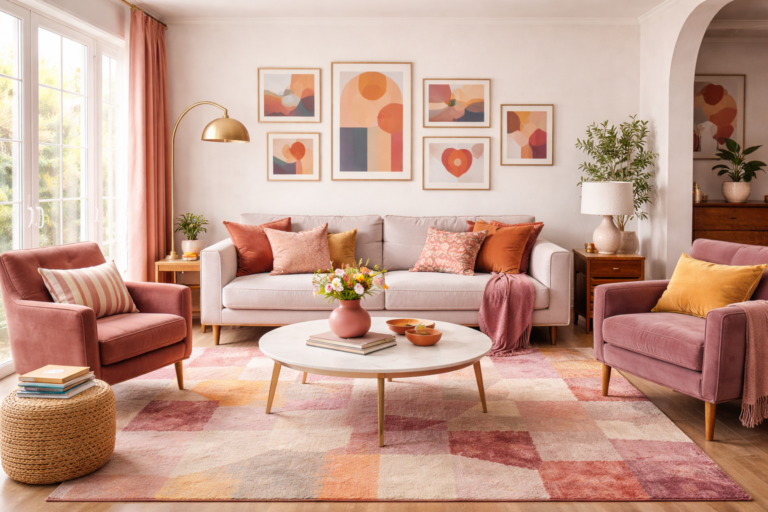
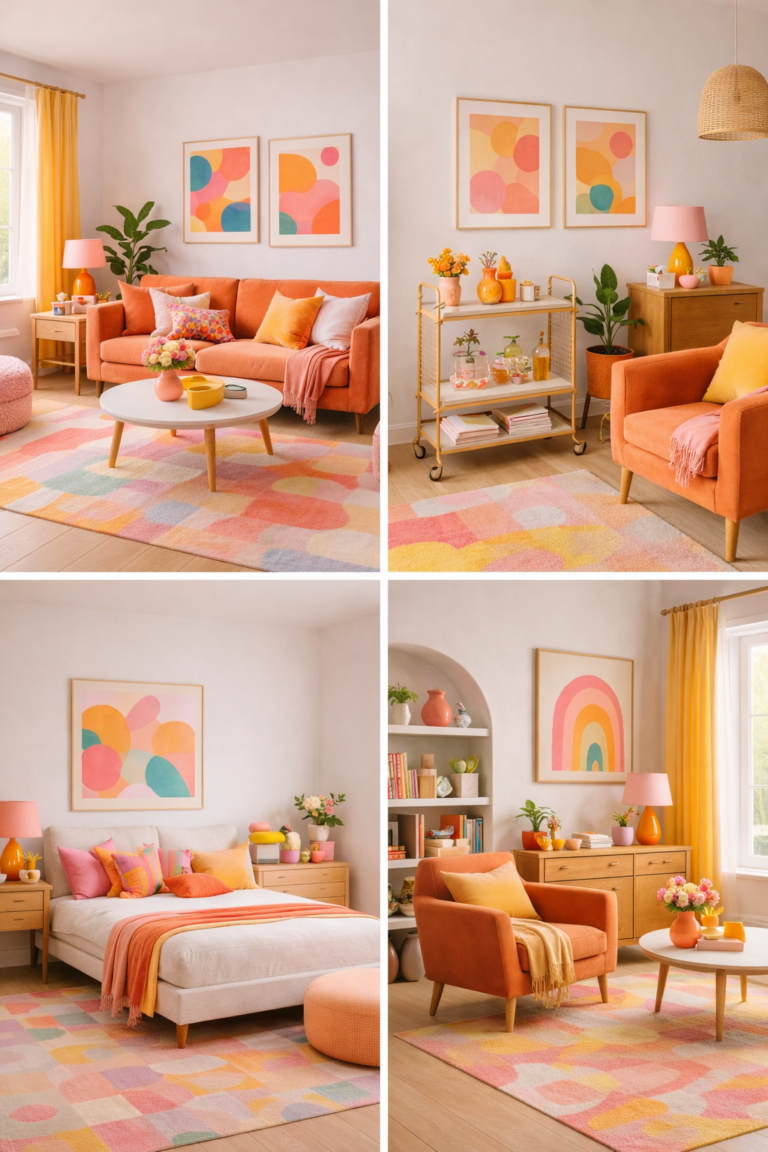
Mastering multicolor interior design techniques means learning how to blend various shades without creating visual chaos. The secret lies in finding a common thread that ties different colors together. This could be similar undertones, matching intensity levels, or a unifying pattern that appears throughout the space.
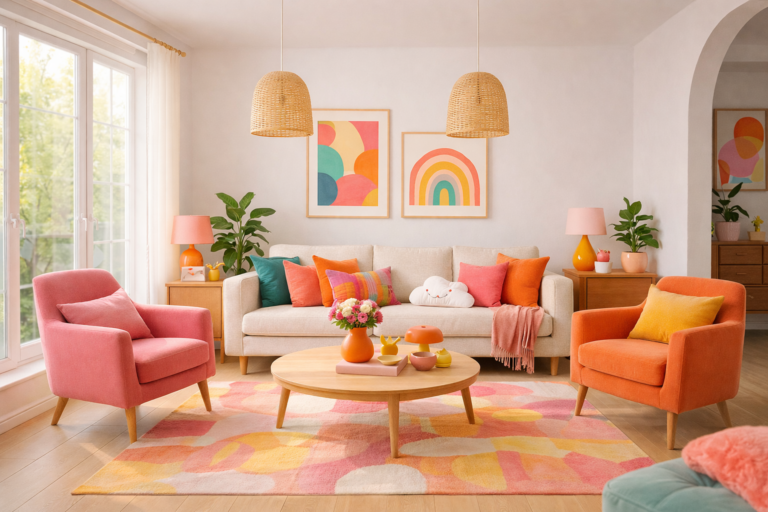
The color wheel becomes your best friend when mixing multiple hues. Complementary colors sit opposite each other on the wheel and create dynamic, energetic combinations. Think orange and blue, or red and green. These pairings deliver maximum visual impact when you want a truly vibrant living room.
Analogous colors sit next to each other on the wheel and offer a more harmonious approach. Combining yellow, orange, and red creates a warm, sunset-inspired palette. Meanwhile, blue, green, and teal blend together for a calming, ocean-inspired scheme.
Successfully mixing warm and cool tones requires careful balance. Warm colors like reds, oranges, and yellows energize a space. Cool tones like blues, greens, and purples bring calmness and sophistication. Using both in one room creates depth and prevents the space from feeling one-dimensional.
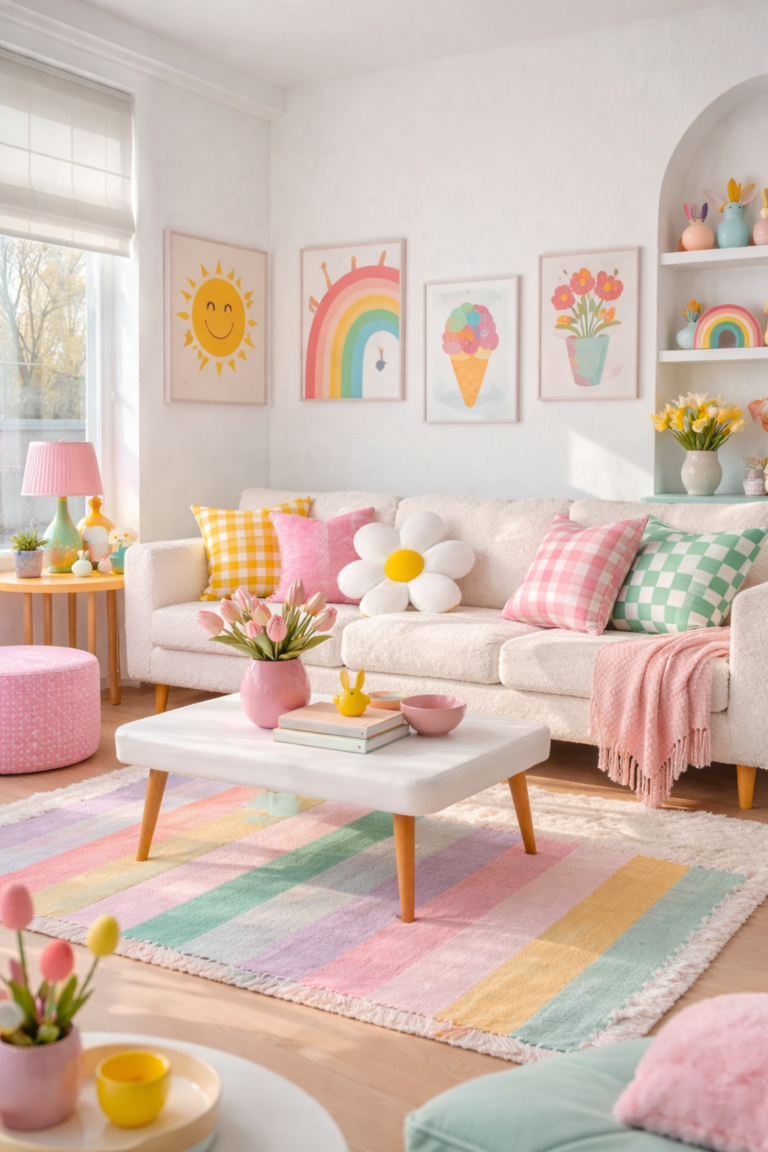
Incorporating pastels alongside saturated colors adds another layer of interest to your multicolor interior design. A soft blush pink pillow next to a bold fuchsia throw creates contrast while maintaining color family cohesion. This technique works especially well when you want color variety without overwhelming intensity.
Creating flow between different colored elements means paying attention to how your eye travels through the room. Repeat accent colors in at least three different spots to create visual rhythm. While black and white interior designs offer timeless elegance through contrast, colorful schemes achieve balance through repetition and intentional placement.
Applying the Designer's Favorite Formula
The 60-30-10 rule provides a foolproof formula for balancing colors in any living room. This classic design principle breaks down your color distribution into three clear categories. Understanding this ratio transforms color selection from guesswork into a straightforward process.
Your dominant color should cover approximately 60% of the room. This typically includes walls, large furniture pieces, or area rugs. Choose a versatile shade that you love and can live with long-term. Neutral bases work wonderfully here, but don't shy away from using a bold color if you're feeling adventurous.
The secondary color fills about 30% of your space. This appears in accent furniture, window treatments, or smaller upholstered pieces. Your secondary color should complement your dominant shade while adding visual interest. This is where you can introduce a contrasting hue that brings personality to the room.
Accent colors make up the final 10% and pack the most punch. These appear in decorative accessories, artwork, throw pillows, and small decorative objects. This is your opportunity to experiment with the boldest, most exciting colors. You can easily swap these elements seasonally without major renovation.
Adjusting these proportions based on personal preference and room size keeps the formula flexible. Smaller living rooms might benefit from lighter dominant colors to create an airy feel. Larger spaces can handle more saturated dominant colors without feeling cramped.
Real-world application means starting with your largest elements first. Paint your walls or select your sofa in your dominant color. Then move to medium-sized pieces for your secondary color. Finally, have fun shopping for those accent pieces that complete your colorful vision.
This systematic approach removes the intimidation factor from working with statement wall colors and bold palettes. You'll create a balanced, professionally designed look that reflects your personal style while following proven design principles.
Colorful Living Room Decor: Furniture and Accent Pieces
The magic of a colorful living room truly comes alive when you introduce bold furniture pieces and eye-catching accessories that reflect your personal style. While wall colors create your backdrop, the furniture and decorative elements you choose transform your space from simply painted to genuinely vibrant. These tangible pieces give your color scheme depth, texture, and personality that paint alone cannot achieve.
Selecting the right colorful accent pieces requires balancing investment with impact. You want items that make a statement without overwhelming your budget or commitment level. The key is knowing which pieces deserve your investment and which ones can be changed seasonally as your tastes evolve.
Mixing Patterns for Visual Richness
An eclectic living room style celebrates diversity while maintaining harmony through thoughtful color choices. Mixing patterns, textures, and even design eras creates a collected-over-time look that feels curated rather than cookie-cutter. This approach gives your space genuine personality and depth.
Successfully combining different pattern scales creates visual balance. Pair large-scale florals with small geometric prints, ensuring they share at least one common color. This connection prevents the patterns from competing with each other. A large floral pillow looks stunning next to a small polka dot or striped pillow when they're linked by color.
Mixing vintage and modern colorful pieces adds character and prevents your room from feeling too matchy-matchy. A mid-century modern chair in orange can sit beautifully beside a contemporary abstract painting featuring similar warm tones. The different eras create conversation while the shared colors create cohesion.
Layering different textures in coordinating colors adds sophistication to your eclectic living room style. Combine velvet, linen, and leather pieces in shades from the same color family. A navy velvet sofa, cobalt linen curtains, and deep blue leather ottoman create richness through texture variation.
Eclectic doesn't mean chaotic—it means thoughtfully combining diverse elements with intention. Your colorful living room should tell a story about who you are and what you love. Trust your instincts when mixing pieces, and remember that the most successful eclectic spaces have a cohesive color thread running through all their varied elements.
The key to mastering vivid room accessories and mixed patterns is starting with your core color palette and building from there. Every new piece should relate to your established colors, even if it introduces a new pattern or texture. This approach ensures your space feels collected and personal rather than random or overwhelming.
Conclusion
Creating colorful living room decor doesn't require a complete overhaul overnight. You can start with small changes that make a big impact. A bright throw pillow, a painted accent wall, or a bold area rug can transform your space without overwhelming your budget or commitment.
The strategies we've explored give you a solid foundation. The 60-30-10 rule keeps colors balanced. Statement furniture pieces add personality. Vivid accessories and mixed patterns bring the eclectic energy that makes a room truly yours.
Your living room should reflect what makes you happy. Some people love rainbow hues covering every surface. Others prefer subtle pops of color against neutral backgrounds. Both approaches create vibrant living room ideas that work beautifully.