Colored Wire Crafts Bent Without Any Soldering

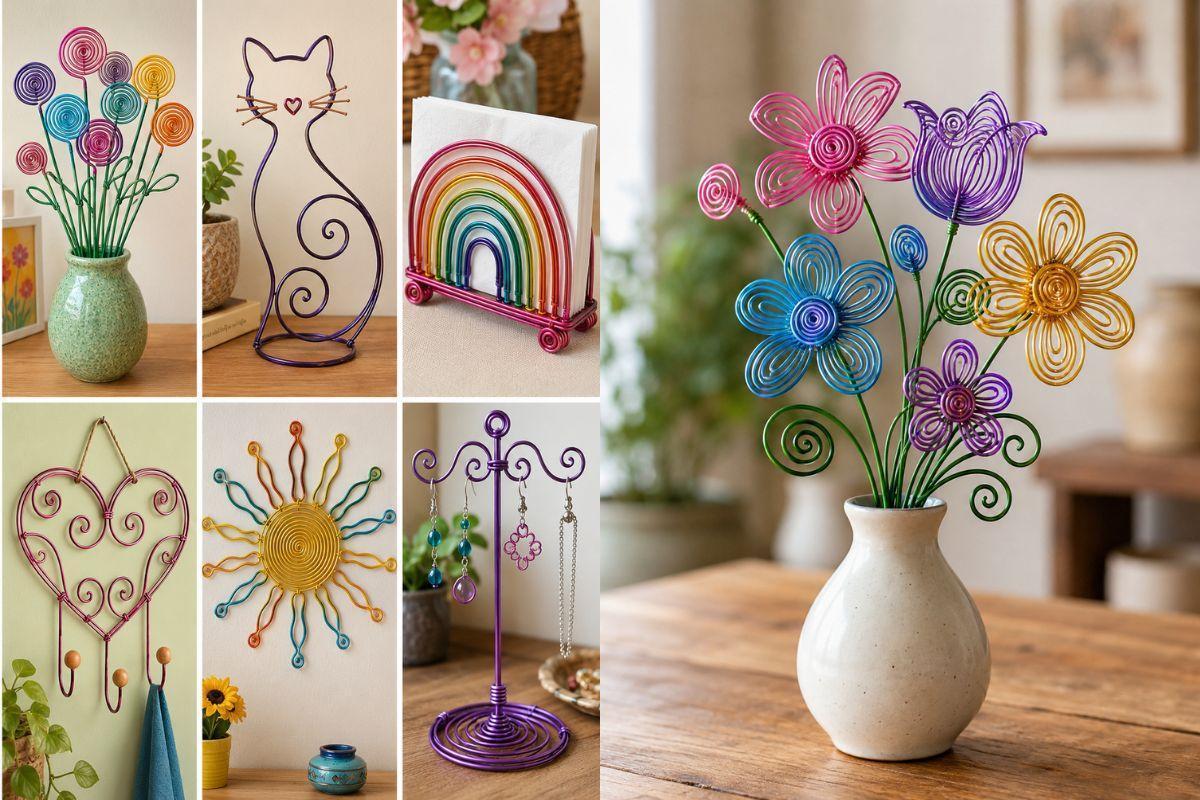
Ever wanted to try something new and creative? Working with colored wire opens up a world of exciting possibilities. You can make beautiful jewelry, eye-catching home decorations, and unique handmade gifts.
The best part is that anyone can start creating today. Whether you're a complete beginner or have some crafting experience, DIY wire crafts are incredibly accessible.
You don't need expensive tools or a dedicated workspace. Just a few basic supplies and your imagination will get you started.

This versatile medium can be shaped, twisted, wrapped, and combined with beads or other materials. You'll discover that wire art produces professional-looking results quickly. That's why it has become so popular in the crafting community.
Throughout this guide, you'll learn essential techniques and explore specific project ideas. We'll cover everything you need to know to create stunning pieces. Get ready to start your new creative hobby with confidence!
1. Getting Started with Wire Craft Supplies
Before starting on beautiful wire projects, you need to gather the right supplies and learn some basic skills. The good news is that you don't need to spend a lot to begin. With just a few basic materials and tools, you can create stunning pieces that show off your style.
Knowing which supplies work best for different projects can save you time and frustration. This knowledge helps you make smart choices when buying supplies. Let's look at everything you need to set up your wire crafting workspace.
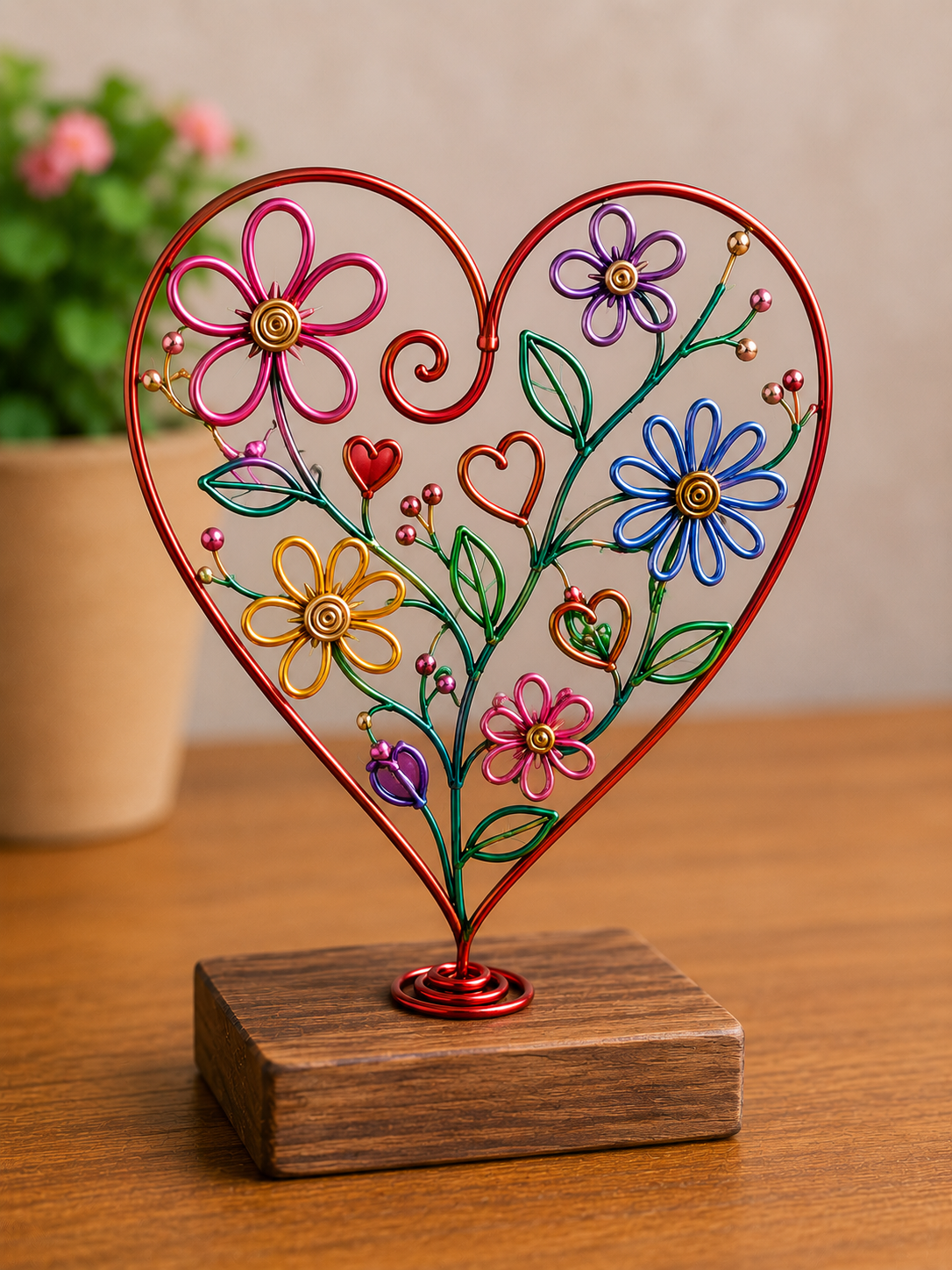
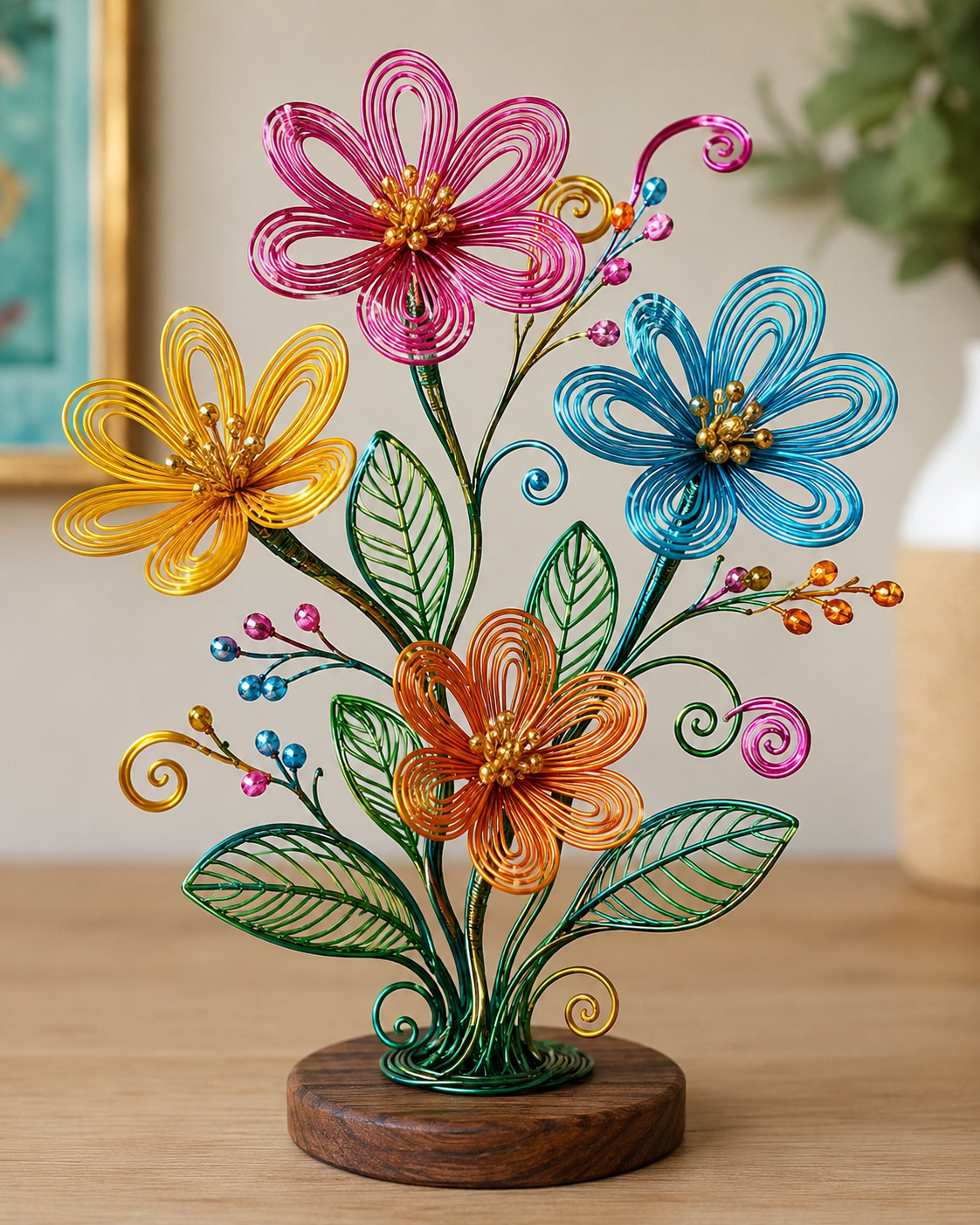
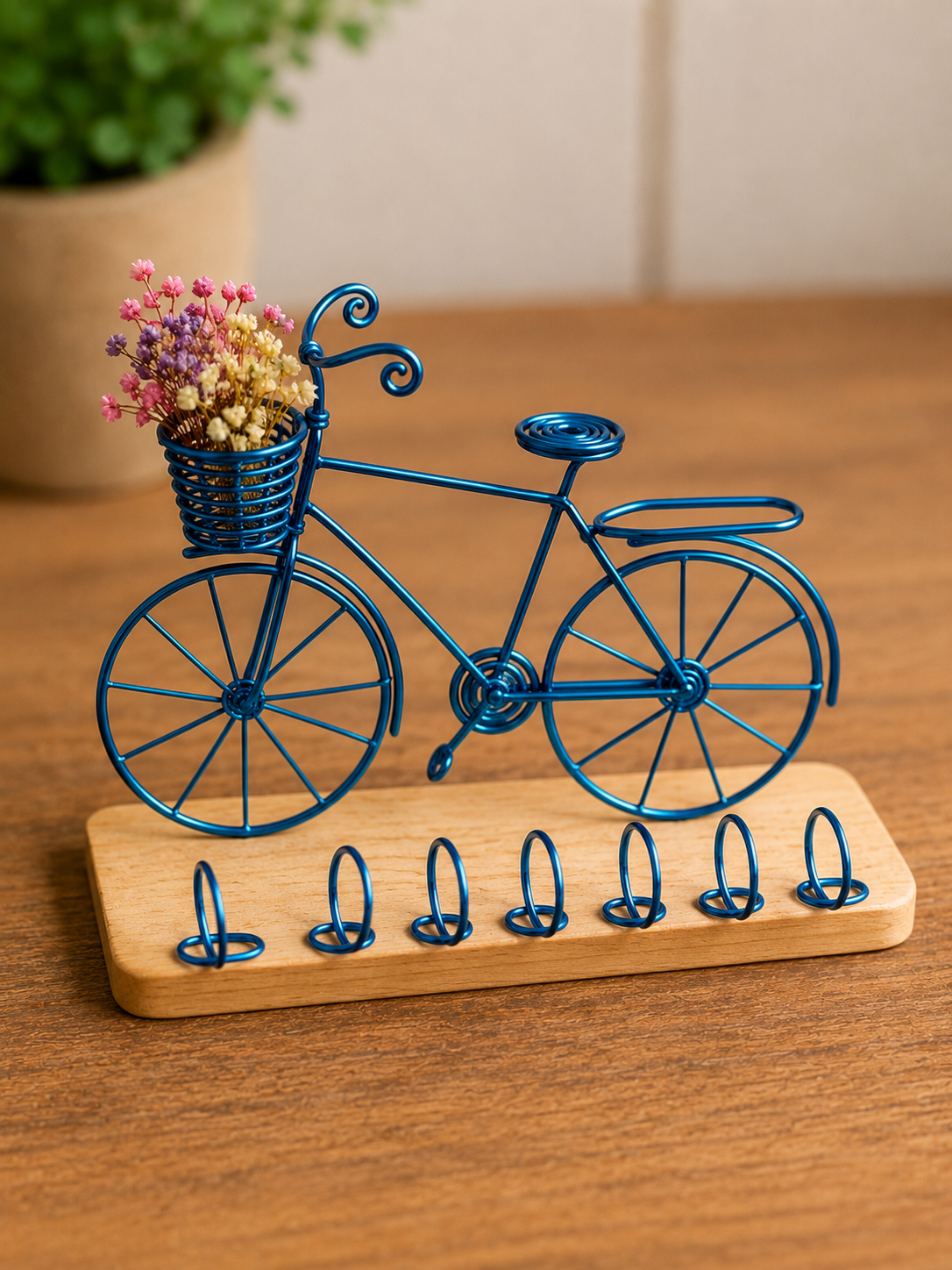
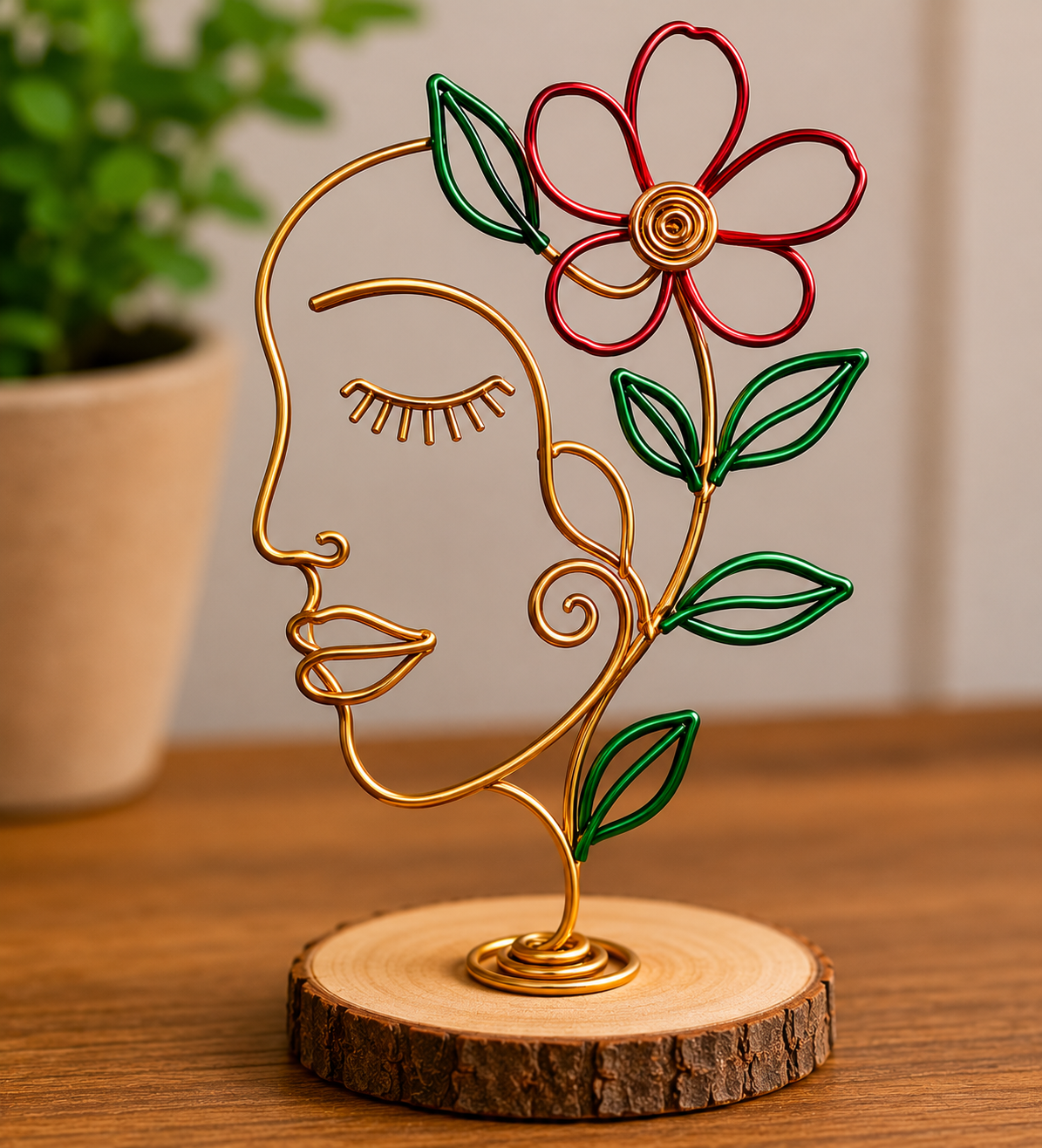
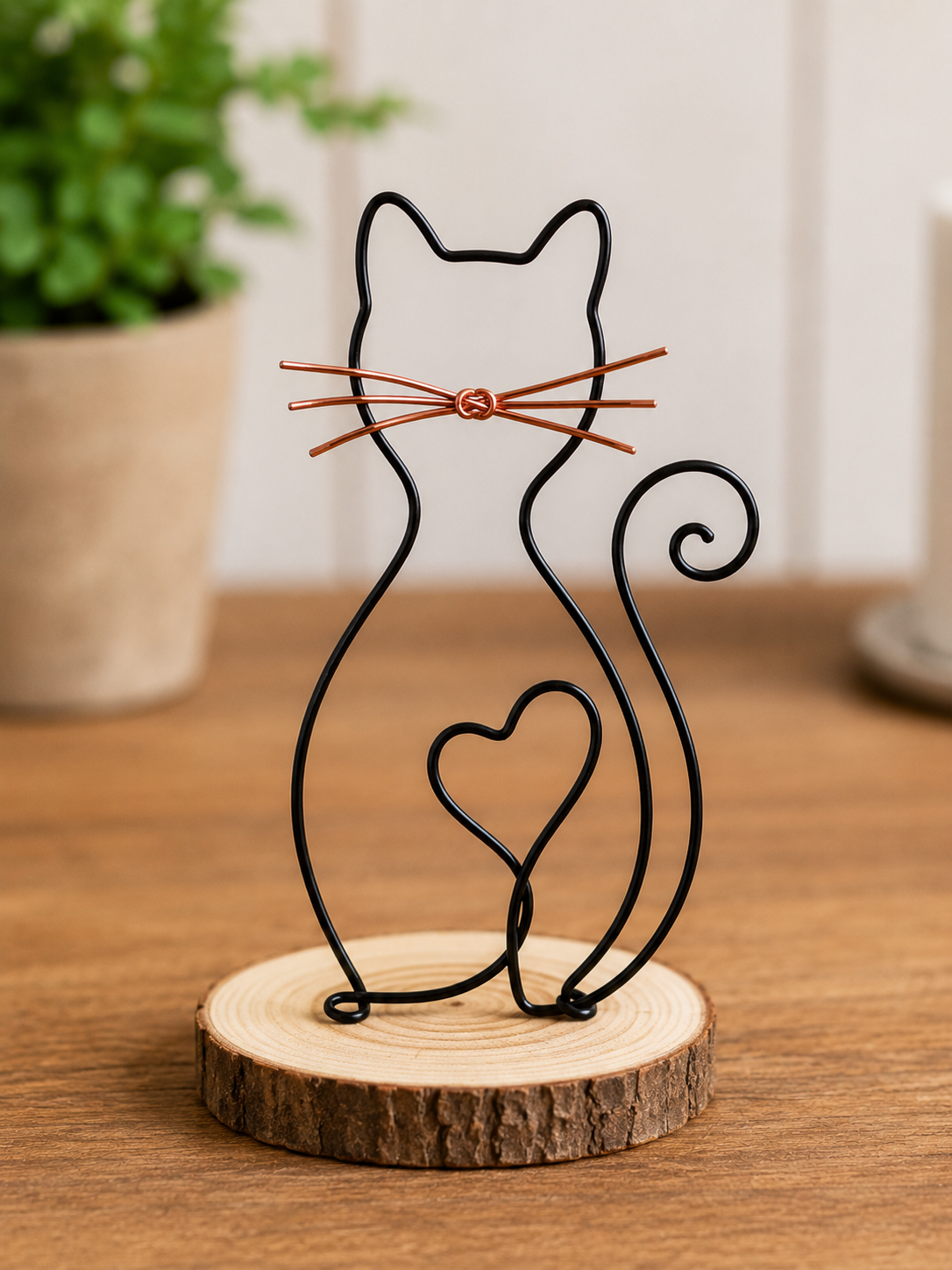
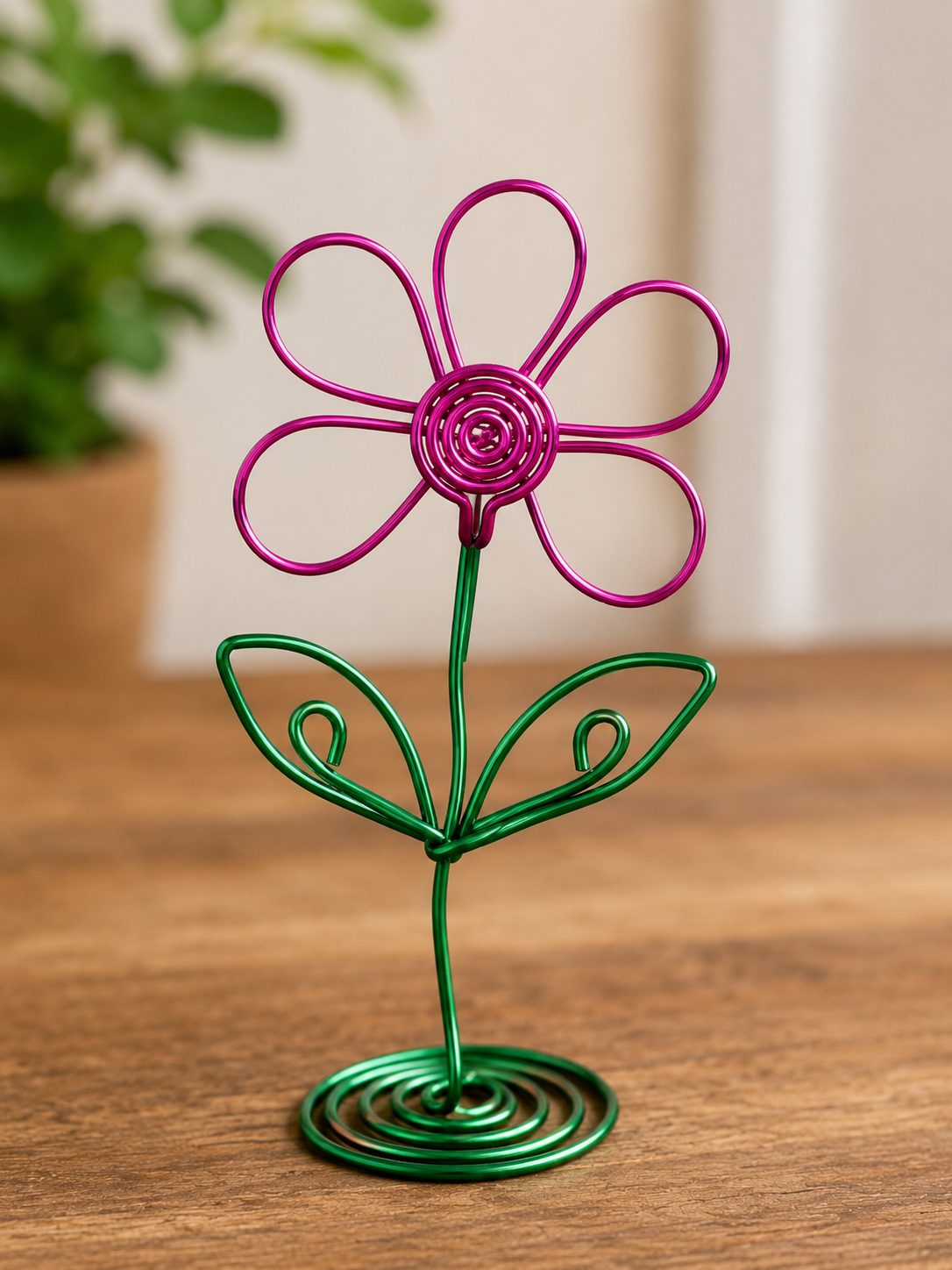
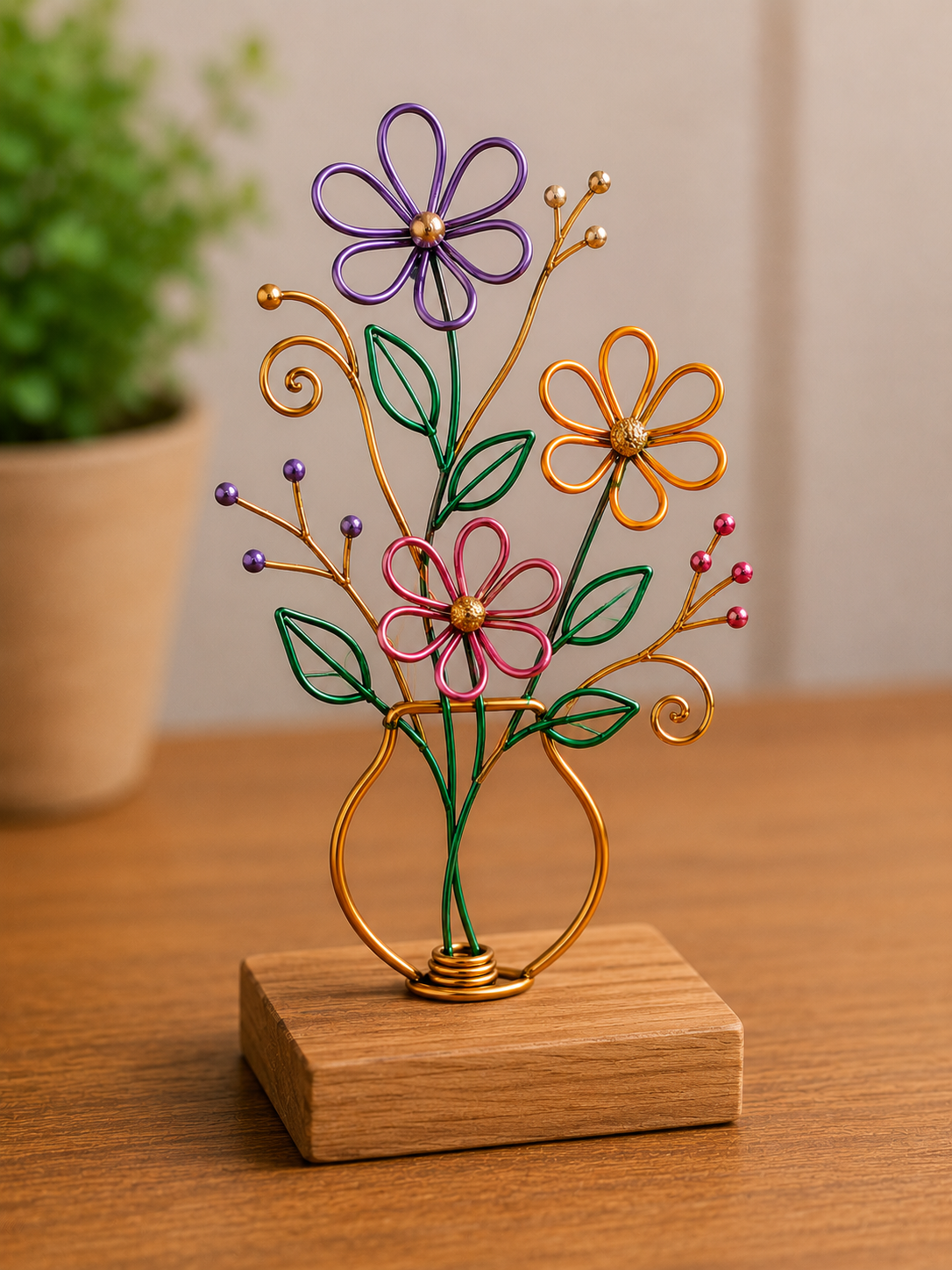
Types of Colored Wire for Crafting
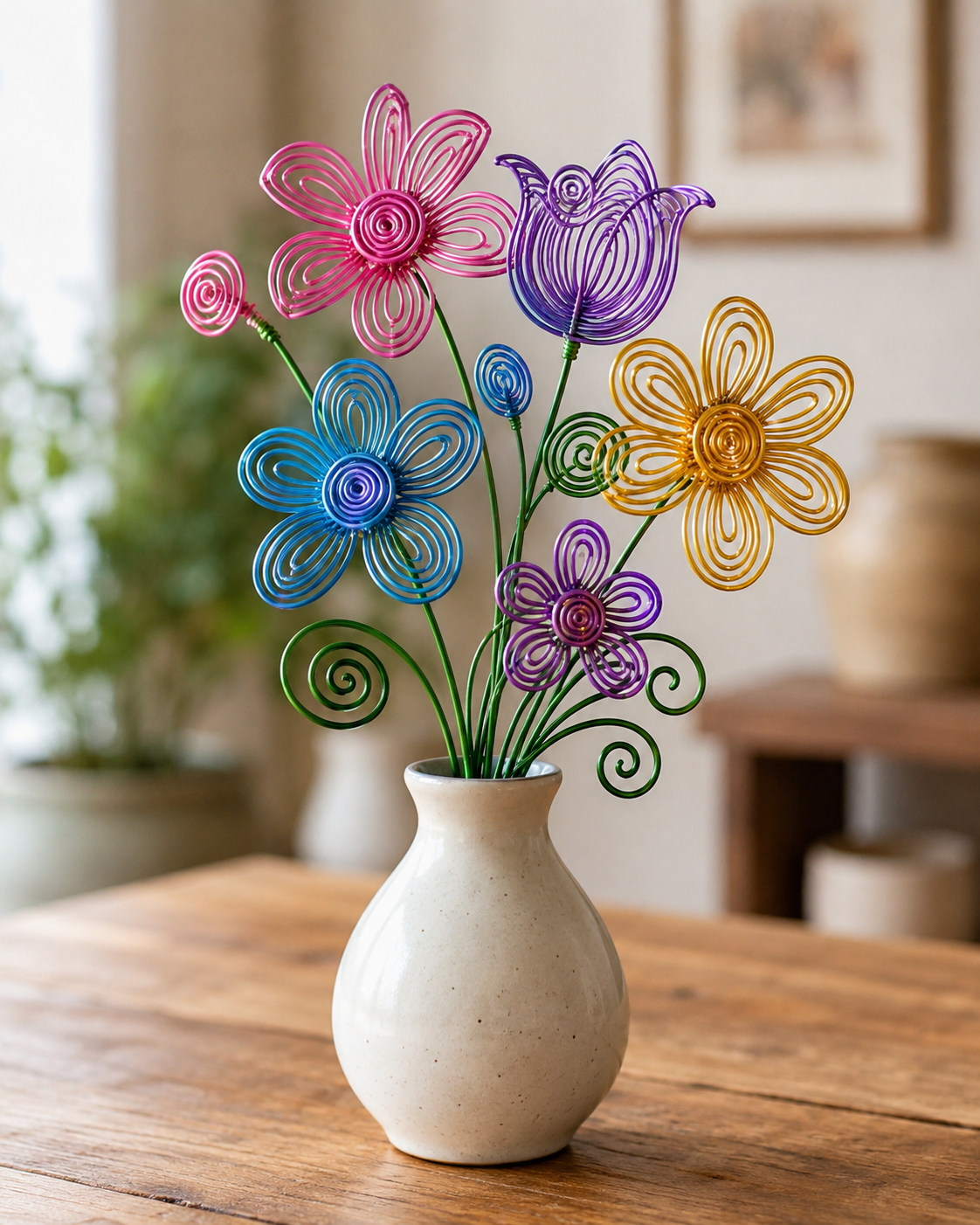
The craft wire world offers a wide variety of materials, each with its own special qualities. Aluminum craft wire is great for beginners because it's light and easy to bend. It comes in dozens of colors, from classic metallics to bright rainbow hues.
Copper wire is strong and holds its shape well over time. It develops a beautiful patina as it ages, adding character to your creations. Many crafters love copper for jewelry because of its durability and warm tones.
Artistic wire has special coatings that add texture and visual interest. These coated wires resist tarnishing better than bare metal options. You'll find finishes ranging from glossy enamels to matte colors and even patterned designs.
Silver-plated and gold-plated wires offer an elegant look without the high cost of solid precious metals. They work beautifully for elegant jewelry projects. The plating provides long-lasting shine when properly cared for.
When picking wire colors, think about how they'll fit with your design. Metallic shades are great for sophisticated pieces, while bold colors make playful statement items. Many crafters keep multiple wire supplies in various colors to expand their creativity.
2. Crafts with Colored Wire for Jewelry Projects
Colored wire can turn into stunning jewelry with simple techniques. These projects are great for beginners or those looking to improve their skills. You can make everything from delicate rings to bold earrings, showing off your style and learning new skills.
Wire jewelry is versatile and affordable. You can make professional-looking pieces with little money and tools. Each project teaches you new skills, helping you get better at making jewelry.
2.1. Wire-Wrapped Rings
Wire-wrapped rings are a great first project. They need little material and time. They make great gifts or additions to your collection. The skills you learn with rings can be used for other jewelry projects.
2.1.1. Simple Spiral Ring Design
The spiral ring is perfect for beginners. Cut about 12 inches of 20-gauge colored wire. Wrap it around a ring mandrel or a cylindrical object that matches your ring size.
Create a small loop at one end with round-nose pliers to avoid sharp edges. Start wrapping the wire in a spiral pattern around the base. Keep each coil tight against the last one. Do 3-5 wraps for your preferred width.
Trim any extra wire and secure the end with chain-nose pliers. This design is quick but looks impressive. Try using two colors for a unique twist.
2.1.2. Beaded Wire Rings
Beaded wire rings add color and elegance to the basic spiral design. Choose beads that fit your wire gauge. Thread 3-5 beads onto the wire before starting your spiral.
Place the beads evenly around the ring base as you wrap. The wire holds them in place, making the ring look professional. Natural stone beads look great with copper or brass wire, while glass beads match silver wire well.
2.2. Colorful Wire Bracelets
Bracelets offer more space for creativity than rings. They make bold statements and let you play with colors and patterns. The techniques range from easy to more challenging.
2.2.1. Twisted Wire Cuff Bracelet
The twisted wire cuff creates eye-catching patterns. Cut three 12-inch pieces of different colored wires. Hold them together with masking tape or a clamp.
Twist the wires together using your fingers or pliers. Keep twisting until you get a tight, rope-like pattern. The colors will mix, creating a beautiful spiral effect.
Shape the twisted wire into a cuff around a bracelet mandrel or jar. Leave a gap for sliding the bracelet on and off. Use pliers to make small loops at each end, then smooth out any sharp edges.
2.2.2. Wire and Bead Combination Bracelets
Wire and bead bracelets are bohemian-style and rival boutique jewelry. This method alternates wire and beaded sections for a dynamic look. Start with 24-gauge wire for easier handling.
Create a wrapped loop at one end as a base. Add 5-7 beads, then wrap the wire around itself several times. Repeat this until you reach your desired length.
Memory wire is great for this style because it keeps its shape. Finish with another wrapped loop and trim excess wire. These bracelets look great stacked in coordinating colors.
2.3. Statement Wire Earrings
Statement earrings are a fun way to show your creativity. They are lightweight and comfortable. These projects show the artistic side of colored wire jewelry making.
2.3.1. Wire-Wrapped Hoop Earrings
Wire-wrapped hoops add color to classic earrings. Make a circle with 18-gauge wire around a circular object. Choose a size between 1.5 to 2 inches.
Create a loop at one end for the ear wire. Wrap a contrasting colored wire around the hoop in sections. This wrapped technique adds texture and dimension while showing off colors.
Attach ear wires with jump rings or wire hooks. Add small beads or charms to the bottom for extra interest. Make sure both earrings match for a professional look.
2.3.2. Geometric Wire Earring Designs
Geometric designs bring modern style to your jewelry. Use 20-gauge wire and basic tools to make triangles, hexagons, or abstract shapes. These designs make bold fashion statements.
Sketch your shape on paper as a template. Use the template to bend your wire into matching shapes. Precision matters in geometric designs, so work slowly and check your progress often.
Connect shapes for layered earrings. Wire-wrap the connections for security and decoration. These designs appeal to those who love modern fashion and show your growing skills.
These jewelry projects offer endless customization. Try different color combinations to match outfits or seasons. Many crafters turn their hobby into successful businesses by selling online or at craft fairs.
Each piece you make builds your confidence and skills. Don't worry about perfection at first—the handmade quality is unique. Keep practicing, and you'll soon make accessories that impress everyone.
3. Decorative Wire Art for Your Home
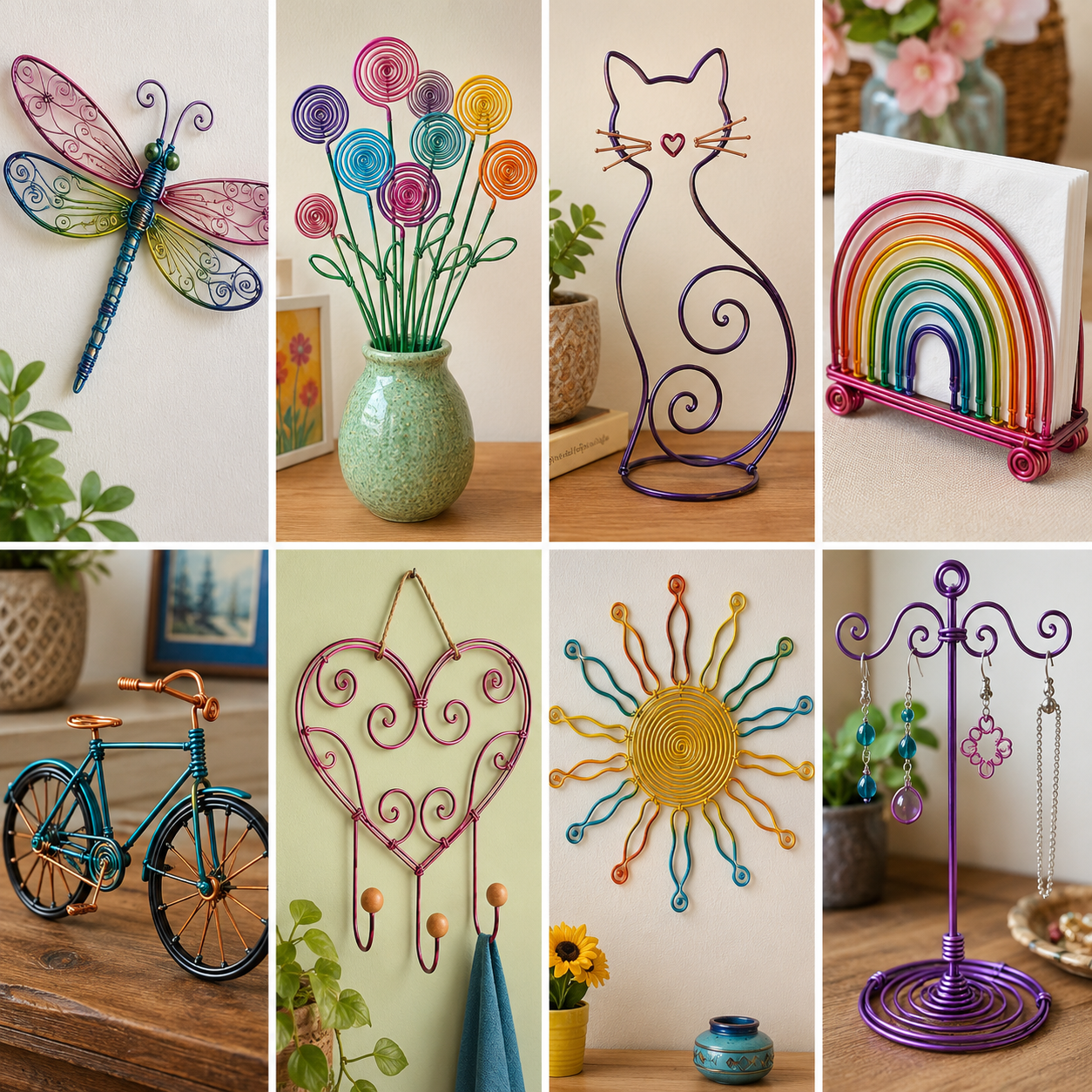
Colored wire opens up a world of decorative possibilities. It can breathe new life into every room of your home. From elegant sculptures to functional pieces, wire art projects let you express your creativity. They add personalized touches to your living spaces.
The beauty of decorative wire work lies in its versatility and affordability. You can create impressive pieces with just a few dollars' worth of materials and basic tools. These handmade treasures make thoughtful gifts and conversation starters.
3.1. Wire Sculpture Projects for Beginners
Creating three-dimensional sculptures might sound intimidating. But starting with simple shapes builds your confidence quickly. Wire sculpture ideas range from nature-inspired designs to whimsical characters.
Begin your sculpting journey with projects that use recognizable forms. Trees and animals make excellent first attempts. They're forgiving and allow for creative interpretation.
3.1.1. Wire Tree Sculptures
Wire tree sculptures capture the organic beauty of nature in miniature form. Start with a sturdy base wire for the trunk. Then twist multiple strands together to create realistic bark texture.
Colored wire leaves transform your tree from simple to spectacular. Wrap small loops of green, copper, or seasonal colors around branch tips to represent foliage. For autumn trees, mix orange, red, and yellow wires for stunning visual impact.
Mount your finished sculpture on a wooden slice, decorative rock, or small terracotta pot filled with pebbles. This provides stability and creates a polished presentation. These sculptures work beautifully as centerpieces, bookshelf accents, or windowsill decorations.
Wire animal figurines bring playful charm to any space. Start with simple silhouettes like birds, butterflies, or cats before tackling more detailed creatures. Sketch your design on paper first, then use it as a template to shape your wire accurately.
The twisting technique creates dimension and character in your animals. Wrap wire around itself to form bodies, then extend thinner pieces for legs, wings, or tails. Adding beads for eyes or incorporating different colored wires for details brings personality to each creation.
These whimsical pieces brighten children's rooms, add interest to garden spaces, or create charming vignettes on bookshelves. They're also perfect for seasonal displays—think wire bunnies for spring or wire owls for fall decorating.
3.2. Wire-Wrapped Home Decorations
Functional art pieces combine beauty with practicality, making them valuable additions to your home. Wire wrapped decorations serve specific purposes while enhancing your decor aesthetic. These projects demonstrate how craft skills translate into everyday usefulness.
The wrapping technique adds texture and visual interest to simple wire frames. By combining different colored wires or incorporating wrapping patterns, you create pieces that look professionally crafted. These items make impressive gifts because they're both attractive and practical.
4. Conclusion
Crafts with colored wire open up a world of creative possibilities right at your fingertips. You've explored jewelry making, home decorations, and sculptural art. Now it's time to pick up your tools and start creating.
Begin with simple projects that match your current skill level. Wire is forgiving material. You can reshape it, unwrap it, and try again without wasting supplies. This makes it perfect for beginners who want to learn through hands-on practice.
Try combining techniques from different project types. Add jewelry-making skills to your home decor pieces. Incorporate sculptural elements into wearable designs. This cross-pollination of ideas leads to unique creations that reflect your personal style.